Last updated October 30, 2026
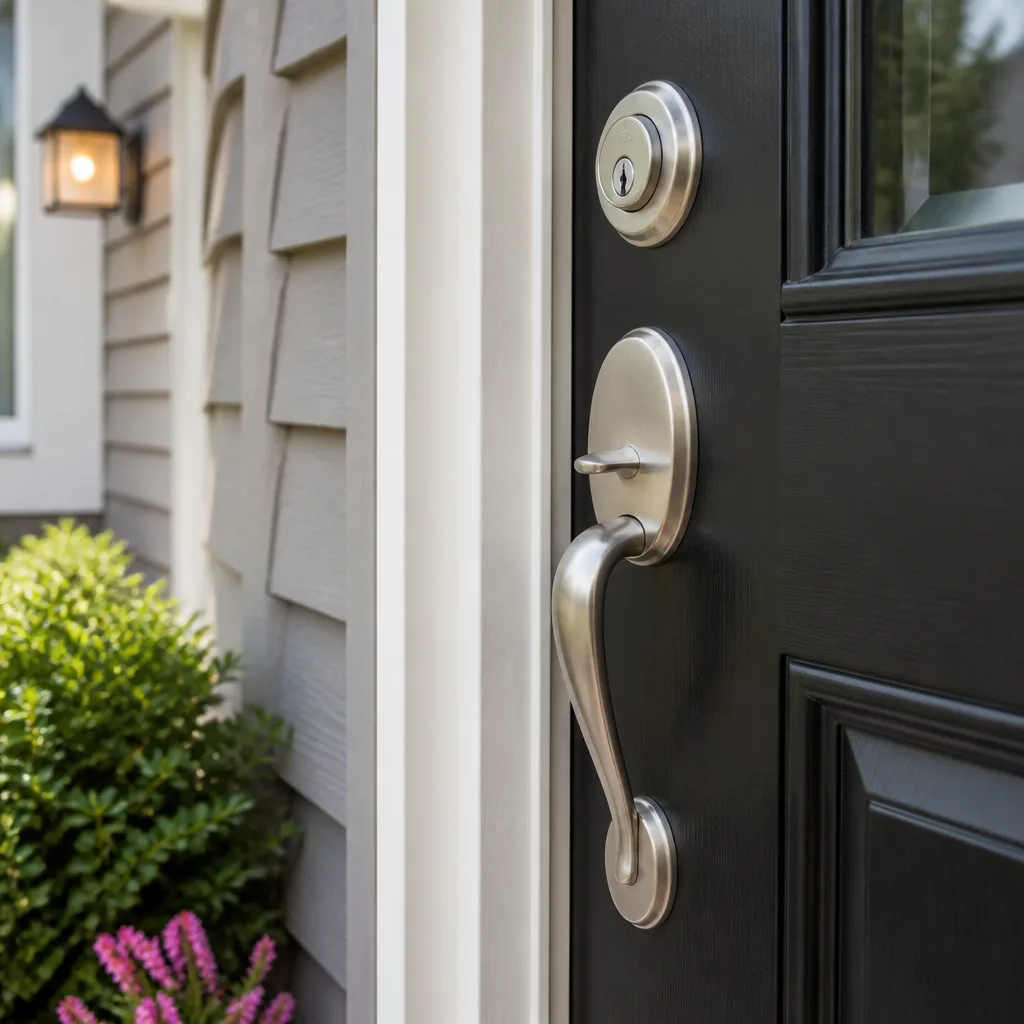 House lockouts
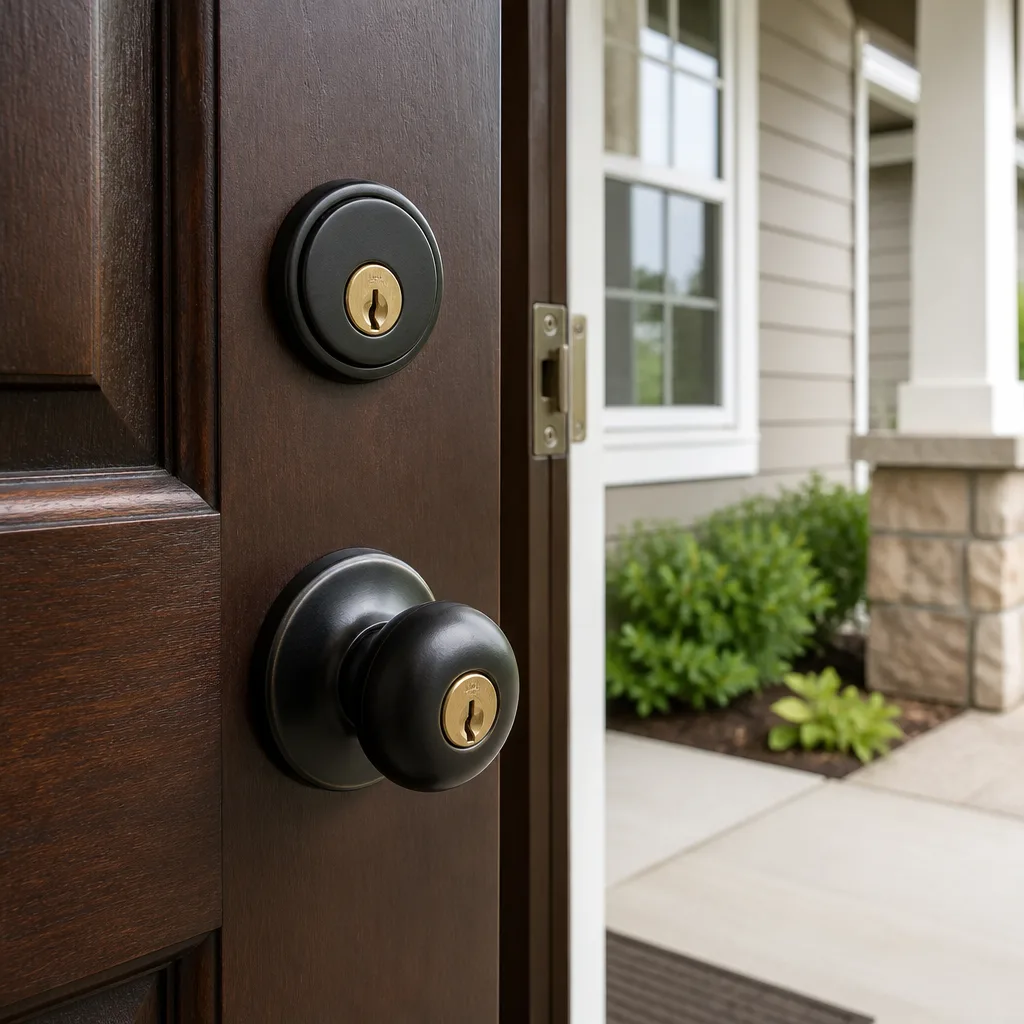 Re-keying
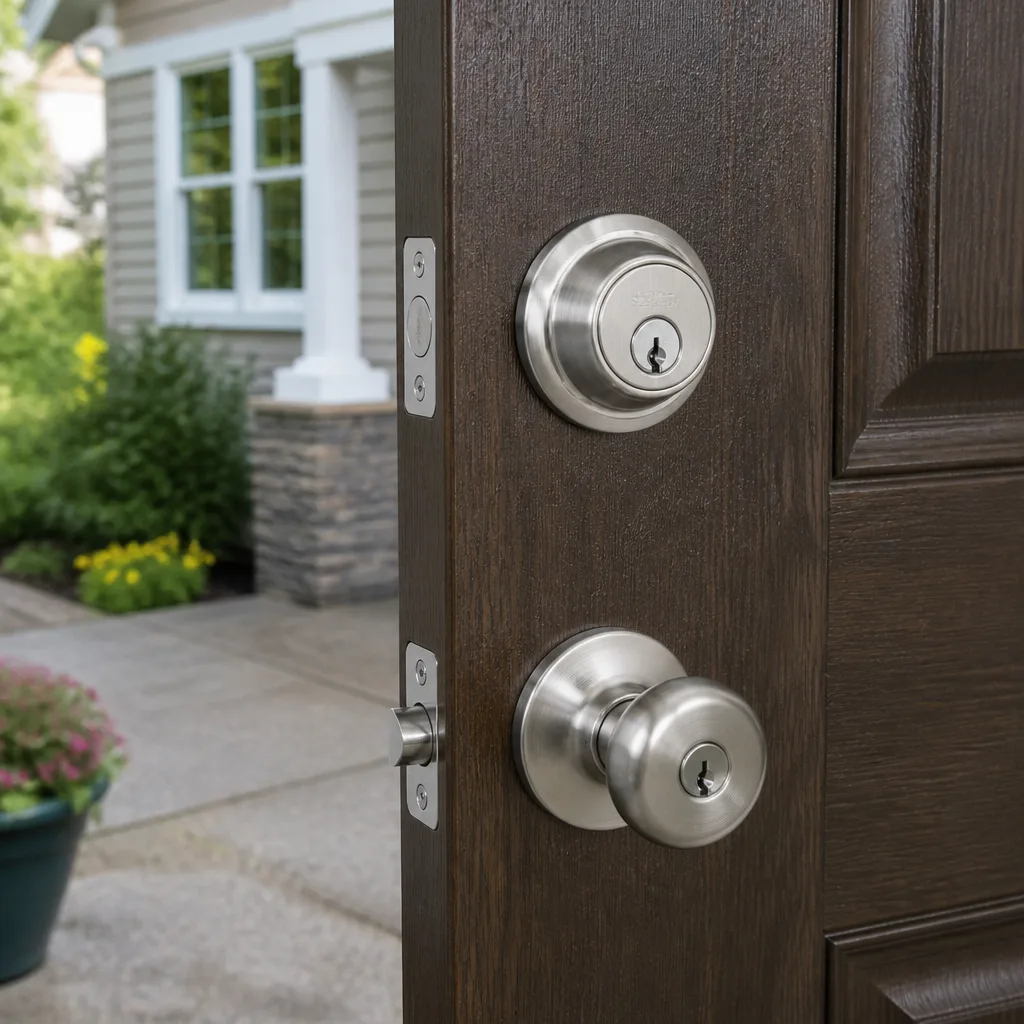 Deadbolt upgrades
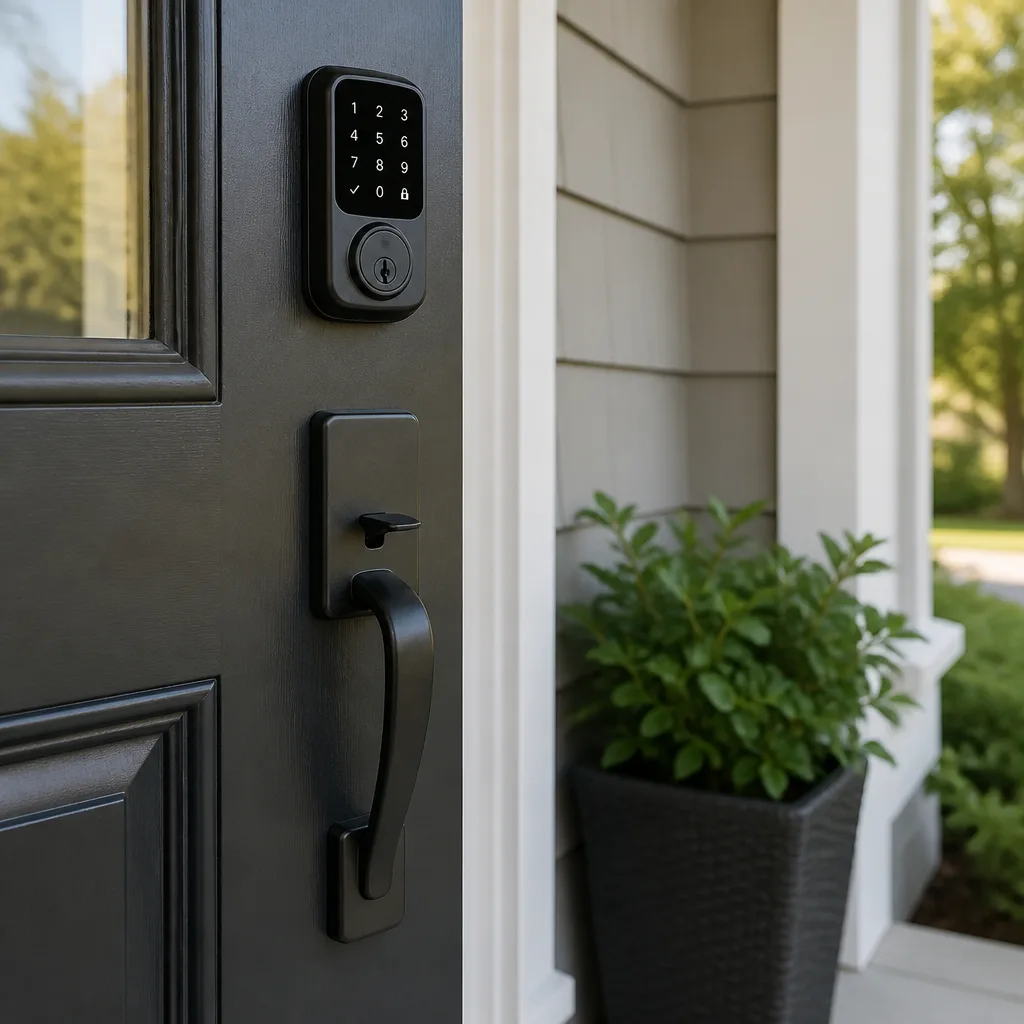 Smart locks
 Schlage
 Kwikset
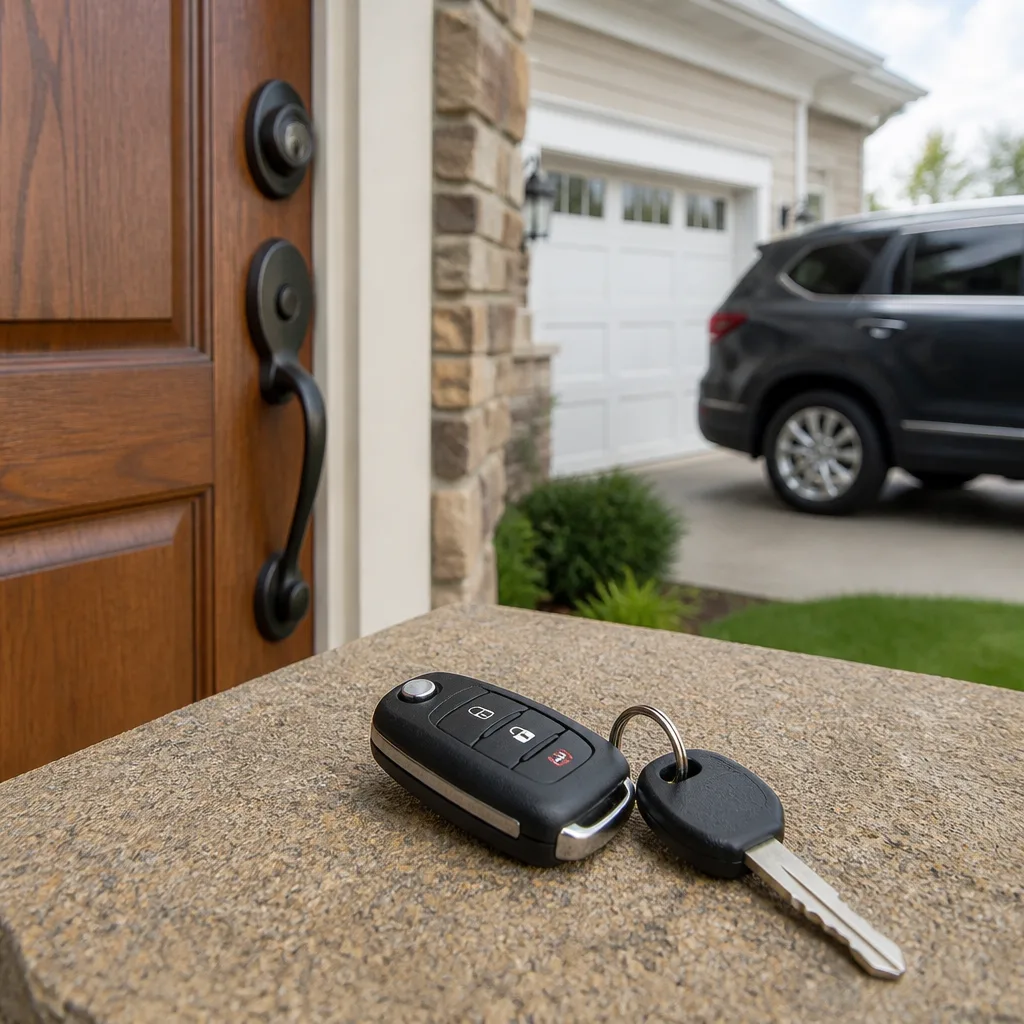 Car keys & fobs
Non-destructive entry first, always - and we re-key Schlage, Kwikset, and Baldwin locks on the spot while you watch
You get a price before we start. It does not change when we arrive. No surprises.
Get your free estimateCar Key Replacement Maintenance Checklist for Pasadena Homeowners
A replacement transponder key for a late-model F-150 runs about $180 at a qualified locksmith and $400 or more at a dealership, but most Pasadena drivers don’t learn that until they’re already stranded in a parking lot off Spencer Highway with a dead fob and no spare. What should be a twenty-minute transaction becomes an hours-long emergency because nobody thinks about car keys as a maintenance item. This guide changes that. You’ll learn which key technology your vehicle uses, what it costs to replace before it fails versus after, how Pasadena’s Gulf Coast climate accelerates key fob wear, and the exact documentation to keep ready so you’re never caught without access to your own vehicle.
Styles & brands we work with
Quick Answer
Car Key Replacement in Pasadena should be treated as a planned maintenance task, not an emergency. Run a spare key audit every 12 months, replace fob batteries every 18 to 24 months (more often if you park outdoors in Gulf Coast heat), and keep your vehicle title and registration in a known location so a replacement key takes one hour instead of one day. Proactive replacement through a locksmith typically costs $120 to $350 depending on key technology, while reactive replacement can double that cost when towing and weekend dispatch fees enter the picture.
Table of Contents
- A Year-by-Year Key Technology Guide for Pasadena Vehicles
- The Spare Key Audit: What to Check and When
- How Gulf Coast Heat Degrades Key Fobs Faster
- Locksmith vs. Dealership vs. Big-Box Store: Real Cost Comparison
- Documentation to Have Ready Before You Call
- Transponder, Proximity, and Push-Button: What You Actually Have
- Common Mistakes to Avoid
- When to Call a Professional
- Frequently Asked Questions
- The Bottom Line
A Year-by-Year Key Technology Guide for Pasadena Vehicles
Understanding what kind of key your vehicle uses is the first step in preventing a lockout. We’ve seen Pasadena drivers assume their 2018 model uses the same key technology as their 2008 model, and that assumption costs them time and money when replacement becomes necessary. The technology shifted meaningfully across three eras, and each era has different replacement costs and procedures.
1996 to 2007: Transponder Chip Keys
Most vehicles from this era use a transponder key, a metal key with an embedded RFID chip. The chip sends a unique code to the vehicle’s immobilizer system when inserted into the ignition. Without the correct chip signal, the engine won’t start, even if the key physically turns. Pasadena drivers with older F-150s, Chevy Silverados, Honda Accords, and Toyota Camrys from this window almost certainly have transponder keys.
Replacement cost at a locksmith: $95 to $180. Programming takes 15 to 30 minutes. Dealerships charge $200 to $350 for the same key. The key itself is straightforward, but the programming step requires diagnostic equipment that most big-box stores don’t keep on hand for vehicles of this age.
2008 to 2017: Remote Head Keys and Smart Keys
Starting around 2008, manufacturers began combining the transponder chip with remote lock/unlock buttons into a single unit called a remote head key or flip key. The key fob portion controls door locks and panic alarm, while the transponder chip still handles ignition security. If the fob buttons stop working but the key still starts the car, you have a battery issue, not a programming issue. If the key won’t start the car at all, the transponder chip has likely failed or lost sync.
Replacement cost at a locksmith: $140 to $250. These keys require both physical cutting and electronic programming, which locksmiths handle on-site. Dealerships charge $250 to $450. We’ve programmed remote head keys for Pasadena drivers in the parking lot of the Pasadena Town Square Mall while they waited, which is something a dealership service bay can’t do.
2018 to Present: Proximity Fobs and Push-Button Start
Newer vehicles across every brand have moved to proximity fobs, also called smart keys or keyless entry fobs. These fobs never leave your pocket. The vehicle detects the fob’s presence and allows push-button starting. Many Pasadena drivers with 2018 or newer vehicles from Ford, Chevrolet, Toyota, Honda, Nissan, and Hyundai are driving proximity fob systems. These are the most expensive keys to replace and the most vulnerable to heat-related battery drain, which we’ll cover later in this guide.
Replacement cost at a locksmith: $200 to $400 depending on the vehicle’s security architecture. Some luxury and late-model vehicles run higher due to proprietary encryption. Dealership pricing for proximity fobs typically starts at $400 and can reach $700 or more. The programming process is more involved, requiring specialized diagnostic tools that read the vehicle’s security module directly.
The Spare Key Audit: What to Check and When
Most Pasadena homeowners don’t have a spare key for every vehicle in the household. When the primary key fails, the absence of a spare converts a minor inconvenience into a multi-hour ordeal. Here’s a clear process to follow once a year, or whenever you move, buy a new vehicle, or notice any key performance issue.
Annual Spare Key Audit Steps
- Locate every vehicle key. Gather all keys and fobs for every vehicle registered to your Pasadena household. Count them. If any vehicle has only one working key, flag it for immediate spare creation.
- Test each key’s physical condition. Look for bent key blades, cracked fob housings, or buttons that require hard presses. Physical wear is a warning sign that the key is approaching failure.
- Test each key’s electronic function. Stand 20 feet from the vehicle and test the lock, unlock, and trunk buttons. A weak signal often means a dying battery or an internal component starting to degrade from heat exposure.
- Test the spare key in the ignition or push-button start. Many Pasadena homeowners discover their spare key won’t actually start the vehicle because the transponder was never programmed or lost sync. A spare that can’t start the car is not a spare.
- Replace fob batteries every 18 to 24 months. If you park outdoors in direct sun, shorten this to every 12 months. The heat accelerates battery chemical degradation.
- Create a replacement plan for keys that fail testing. A proactive replacement takes one service call. A reactive replacement after failure can require towing and emergency dispatch rates.
How Gulf Coast Heat Degrades Key Fobs Faster
Pasadena’s climate is not neutral when it comes to automotive electronics. The combination of high ambient temperatures from June through September, direct UV exposure in parking lots, and humidity levels that routinely exceed 80 percent creates a hostile environment for key fob batteries and internal transponder components. National battery life estimates published by automakers assume moderate climates. Pasadena drivers should adjust their expectations downward.
Battery Degradation
The lithium coin cell batteries inside key fobs lose capacity faster at sustained high temperatures. A battery rated for three years in a moderate climate may fail in 18 months when the fob sits in a closed vehicle that reaches 140 degrees Fahrenheit on a summer afternoon. We’ve replaced fob batteries for Pasadena drivers whose fobs died within a year of purchase simply because the key spent every afternoon baking in a cup holder.
Internal Component Stress
Transponder chips and proximity fob antennas are susceptible to thermal cycling, the repeated expansion and contraction that occurs when components heat up and cool down daily. Over years of Pasadena summers, solder joints inside fobs can develop micro-fractures that cause intermittent signal failure. The fob might work in the morning when cool and fail in the afternoon after sitting in a hot car. This intermittent behavior frustrates drivers and often gets misdiagnosed as a battery issue.
Physical Housing Warping
Heat also affects the plastic housing of key fobs. Prolonged high temperatures can warp fob casings, causing button misalignment or cracked seams that allow humidity inside. Once moisture reaches the circuit board, corrosion begins and the fob fails permanently. A fob that shows visible warping or a cracked housing should be replaced before internal corrosion makes programming impossible.
Locksmith vs. Dealership vs. Big-Box Store: Real Cost Comparison
Pasadena vehicle owners have three options for key replacement, and the choice affects both price and speed. Understanding what each option can and cannot do keeps you from wasting time and money. We’ve compiled this comparison from actual service calls and current market rates, along with Choosing the Right Locksmith Brand: A Buyer’s Guide for Pasadena.
| Service Factor | Locksmith | Dealership | Big-Box Store |
|---|---|---|---|
| Transponder key cost | $95 to $180 | $200 to $350 | $80 to $150 (no programming) |
| Remote head key cost | $140 to $250 | $250 to $450 | Rarely available |
| Proximity fob cost | $200 to $400 | $400 to $700 | Not available |
| On-site service | Yes, at your Pasadena location | No, must visit service bay | In-store only |
| Programming capability | Full transponder, remote head, and proximity programming | Full programming for their brand | Limited, often no programming |
| Wait time | 30 to 60 minutes typically | 2 to 4 hours or same-day appointment | Key cutting only, 15 minutes |
What Big-Box Stores Can’t Do
Hardware stores and big-box retailers with key cutting kiosks can physically cut a metal key blank, but most cannot program transponder chips for vehicles newer than about 2005. If your vehicle has a chip, a remote head key, or a proximity fob, the big-box store cuts a key that will open the door but will not start the engine. Some Pasadena drivers have learned this the hard way, paying for a cut key that turned out to be a very expensive door opener.
Why Locksmiths Compete on Price and Speed
A qualified automotive locksmith with the right diagnostic equipment can cut and program most keys on-site in under an hour. The cost advantage comes from lower overhead and no dealership markup. Knight Locksmiths handles Car Key Replacement in Pasadena with the same programming equipment dealerships use, which means the key we make functions identically to the original. The difference is the price and the fact that we come to you.
Documentation to Have Ready Before You Call
When you call a locksmith for key replacement, the process moves faster if you have the right documentation ready. Locksmiths must verify vehicle ownership before cutting and programming a key, both as a legal requirement and as a fraud prevention measure. Having these items ready can save significant waiting time.
The Five Documents to Keep Ready
- Vehicle registration. This is the most important document. It proves you own the vehicle and gives the locksmith the VIN and year, make, and model needed to identify the correct key blank and programming protocol.
- Driver’s license or state ID. The name on the registration must match the name on your ID. If someone else in your Pasadena household owns the vehicle, have them present or available by phone for verification.
- Vehicle title. Not always required, but helpful if the registration is expired or the vehicle was recently purchased and registration hasn’t been updated yet.
- Vehicle insurance card. Acceptable as secondary proof of ownership when registration is unavailable. Some locksmiths accept insurance documents as a supporting verification.
- Photos of the key or fob. If you still have a damaged or worn key, photograph it from both sides. This helps the locksmith identify the correct blank before arriving, saving time on-site.
Keep these documents in a known location in your Pasadena home. A folder in a desk drawer or a glove box organizer works. When the spare key fails or the primary key breaks, you won’t be scrambling to find proof of ownership while standing in a parking lot.
Transponder, Proximity, and Push-Button: What You Actually Have
The terminology around car keys confuses many Pasadena drivers. Here’s a straightforward breakdown of what each key type does and how to identify what you have.
Transponder Keys
A transponder key looks like a traditional metal key but has a black plastic head that houses a small RFID chip. When you insert the key and turn the ignition, the vehicle’s immobilizer system reads the chip’s unique code. If the code matches, the engine starts. If the chip is missing or damaged, the engine cranks but won’t fire. Many drivers discover they have a transponder key when a hardware-store copy opens the door but won’t start the car.
How to identify it: The key has a visible plastic head thicker than a basic metal key. Your vehicle model year is between 1996 and 2007. You insert the key into the ignition and turn it physically.
Remote Head Keys
A remote head key combines the transponder chip with remote locking buttons in a single fob. The key blade folds or is built into the fob body. The remote functions run on a battery that you can replace yourself, but the transponder chip is passive and doesn’t need battery power. A key with dead remote buttons but a working ignition start has a battery problem, not a chip problem.
How to identify it: Your key has lock, unlock, and possibly trunk buttons integrated with the key blade. Your vehicle is likely a 2008 to 2017 model. You insert the key into the ignition, but the remote buttons operate wirelessly.
Proximity Fobs
A proximity fob is a keyless device that stays in your pocket or purse. The vehicle detects the fob through proximity sensors and allows push-button starting. The entire system operates wirelessly, so there’s no key blade to insert. Proximity fobs run entirely on battery power and are the most expensive key type to replace. If the fob battery dies, the vehicle won’t start unless you use the hidden physical key (found in the fob) or follow the manufacturer’s emergency start procedure.
How to identify it: Your key has no visible metal blade, or the blade is hidden inside the fob body. Your vehicle uses a push-button start. Your vehicle is likely a 2018 or newer model.
Common Mistakes to Avoid
- Waiting until the only key fails. The majority of Pasadena lockouts we respond to involve vehicles with a single key. A proactive spare costs $100 to $350. A reactive emergency with towing can cost $500 or more.
- Replacing the fob battery with the wrong size. Using a battery that’s slightly thicker or thinner can damage the fob contacts or fail to make proper connection. Check your owner’s manual for the exact battery specification.
- Buying a cheap key blank online and expecting a locksmith to program it. Many online key blanks use inferior chips that won’t program correctly or fail within months. A locksmith’s key blank carries compatibility guarantees that a $15 online blank does not.
- Ignoring intermittent key failure. A key that works sometimes and fails other times won’t fix itself. Heat-related internal damage progresses. The key will eventually fail permanently, probably at the worst possible moment.
- Going to the dealership for every key issue. Dealerships have a role, but paying $400 for a transponder key that a locksmith can produce for $180 is an unnecessary expense. Locksmiths handle programming for most makes and models.
- Storing the spare key inside the vehicle. A spare key in the glove box or under the floor mat defeats the entire purpose. You need a spare accessible from outside the vehicle, not one locked inside with the vehicle.
- Not checking if your vehicle has a hidden spare key slot. Some proximity fobs have a hidden physical key inside that works on the driver’s door lock even when the fob battery is dead. Check your fob for a release button before calling for emergency help.
When to Call a Professional
Key replacement that involves transponder programming, proximity fob pairing, or any electronic component is not a DIY project. The diagnostic equipment required costs thousands of dollars, and the programming protocols are proprietary to each manufacturer. Attempting to program a fob without the right equipment can brick the vehicle’s immobilizer system, leaving you with a vehicle that won’t start even with the original key. If your key has a plastic head with buttons or a hidden chip, or if your vehicle starts with a push button, call a professional. Knight Locksmiths offers free estimates in Pasadena, call (833) 589-8049 and we’ll quote the exact cost for your vehicle’s make and model before any work begins. For more guides & resources, visit our blog.
Frequently Asked Questions
Car key replacement in Pasadena typically costs $95 to $180 for a transponder key, $140 to $250 for a remote head key, and $200 to $400 for a proximity fob, depending on the vehicle’s make, model, and year. Both the key blank and the programming contribute to the cost. Call Knight Locksmiths at (833) 589-8049 for an exact quote for your specific vehicle, estimates are free and take about two minutes.
Yes, a locksmith with the right diagnostic equipment can program proximity fobs for push-button start vehicles from all major manufacturers. The process requires reading the vehicle’s security module and programming the new fob to match, which is the same process a dealership uses. The cost typically runs $200 to $400 versus dealership pricing of $400 to $700.
Key replacement at a locksmith takes 30 to 60 minutes for most vehicles, including key cutting and programming. Knight Locksmiths provides Emergency Locksmith in Pasadena response for drivers who need a key made on-site immediately. The time required depends on the vehicle’s security architecture and the key type.
You need your vehicle registration and a driver’s license or state ID with a matching name. Your vehicle title or insurance card can serve as supporting documentation if registration is unavailable. This verification is legally required before a locksmith can cut and program a key.
Yes, the price quoted on the phone before dispatch is the price on your invoice. There is no call-out surcharge added on arrival. The only variable could be if the key type is different than described, in which case we’ll call you with the updated quote before proceeding.
Yes, our technicians work with security systems from Kwikset, Schlage, and Medeco for residential applications, and we handle automotive key programming across all major brands. For Rekey Locks in Pasadena or automotive key work, we bring the same technical depth to every job. Call (833) 589-8049 to discuss your specific vehicle or lock configuration.
The Bottom Line
Car key replacement in Pasadena is cheapest when done proactively. Run the spare key audit once a year, replace fob batteries before they die (every 12 months if you park outdoors), and keep your registration and ID in a known location. When a key fails or a spare is needed, a locksmith cuts and programs keys on-site for 40 to 60 percent less than a dealership and in a fraction of the time. Knight Locksmiths handles the full range, from basic Kwikset hardware to Medeco high-security systems, and every automotive key type from transponder to proximity. Call (833) 589-8049 for a free estimate before you need us, or when you need us. Either way, the price is quoted upfront and covered by our Knight Locksmiths home service standard.
Written by the team at Knight Locksmiths, serving Pasadena since 2011.