
Last updated October 30, 2026
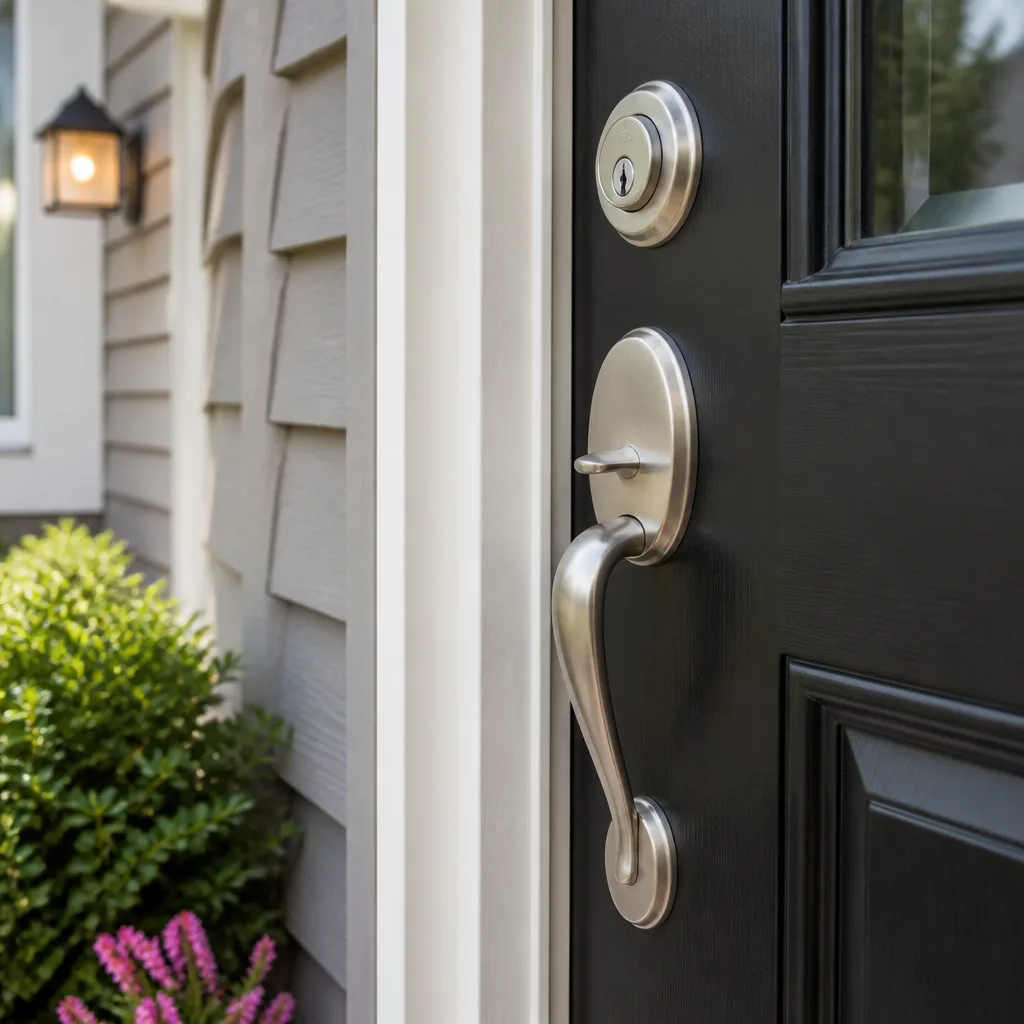 House lockouts
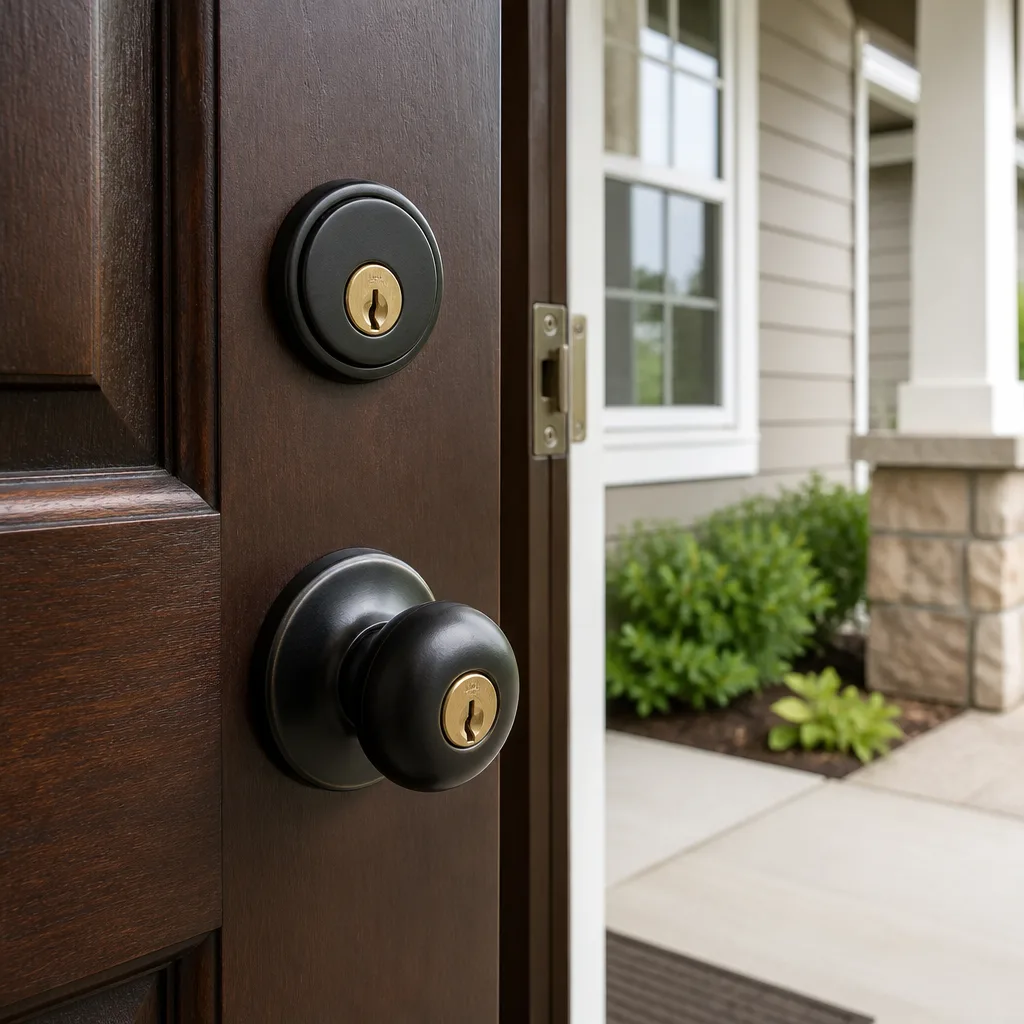 Re-keying
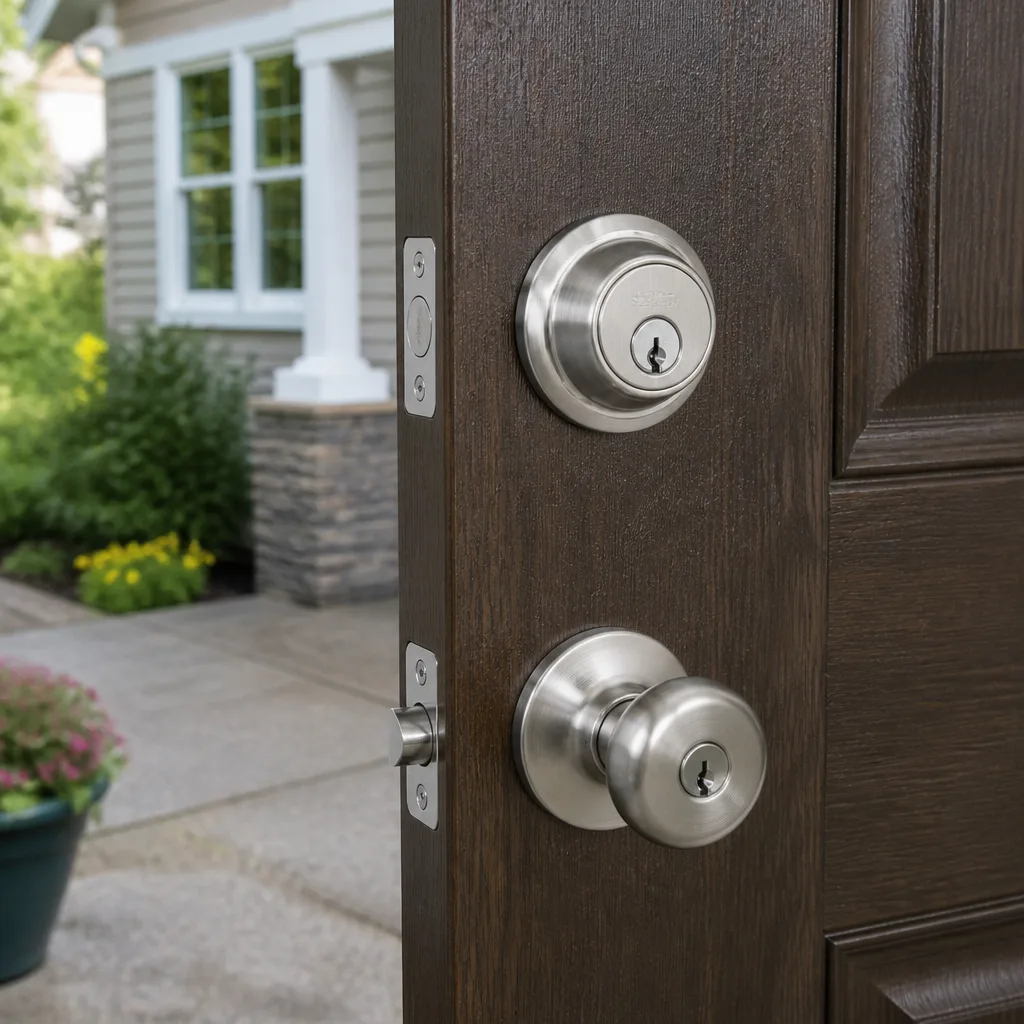 Deadbolt upgrades
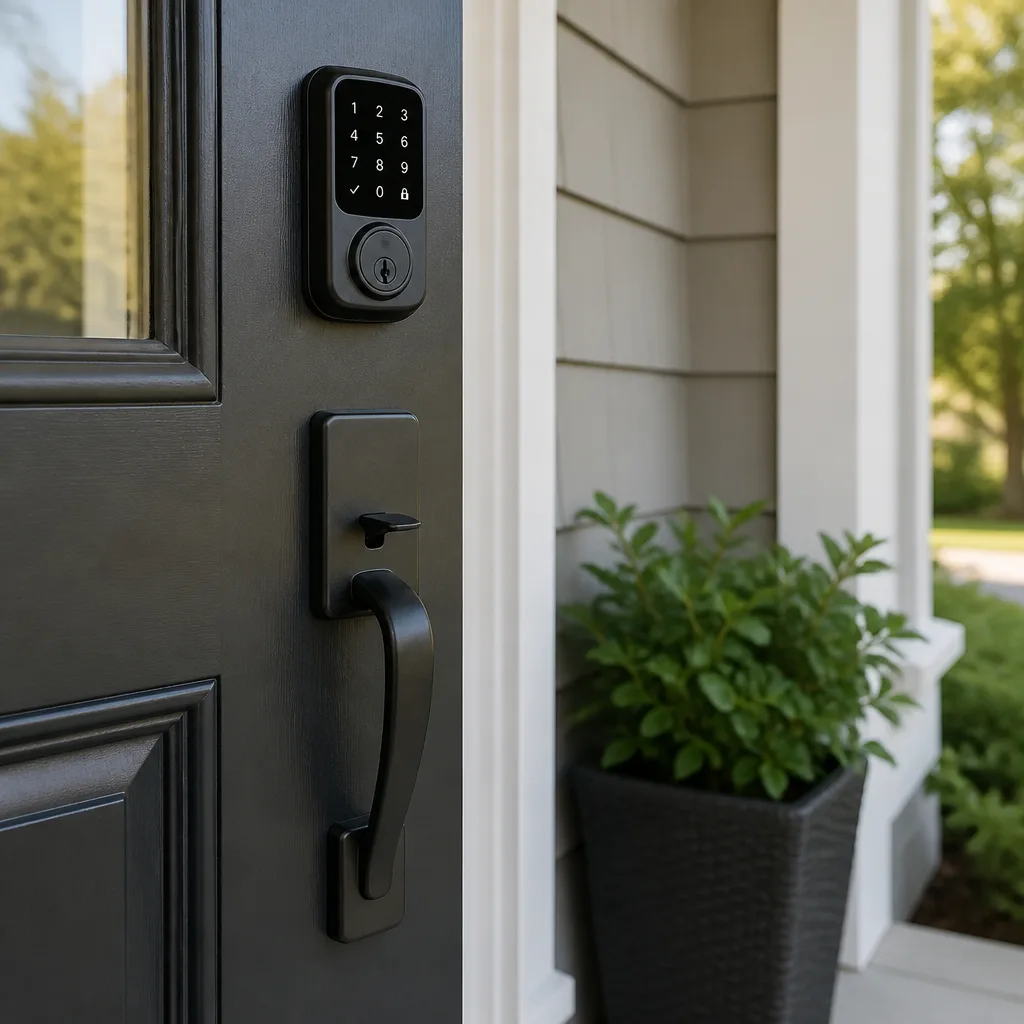 Smart locks
 Schlage
 Kwikset
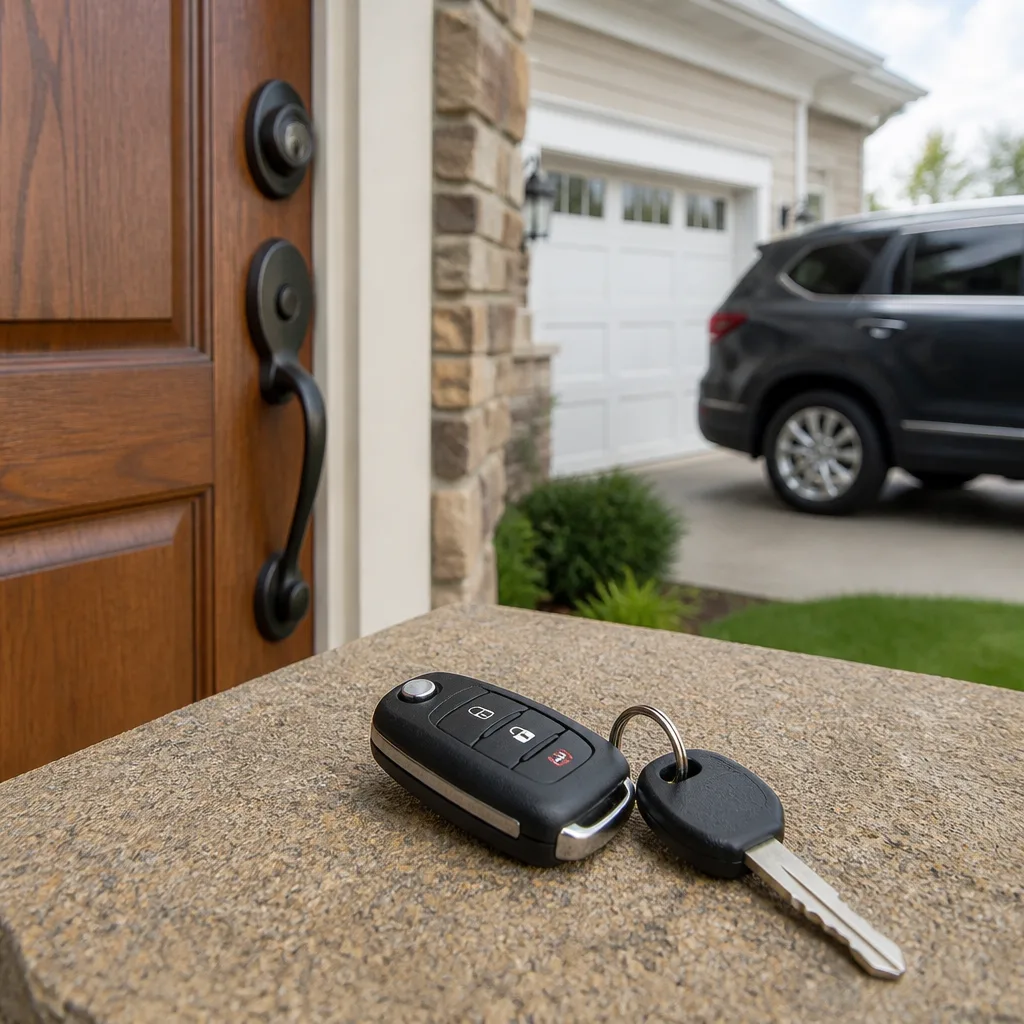 Car keys & fobs
Non-destructive entry first, always - and we re-key Schlage, Kwikset, and Baldwin locks on the spot while you watch
You get a price before we start. It does not change when we arrive. No surprises.
Get your free estimateCar Key Replacement Troubleshooting: Common Problems and How to Fix Them
Here’s a statistic that surprises most drivers in Pasadena: roughly 60% of the car key problems we diagnose at Knight Locksmiths home never require a new key at all. The most common reason a car won’t start after a “key failure” isn’t the key. It’s a 3-volt CR2032 battery that costs less than a cup of coffee at the gas station on Fairmont Parkway. This guide walks you through a symptom-first diagnostic process, the same method our techs use before ever recommending a replacement. You’ll learn how to tell a dead fob battery from a failed transponder, how to spot a worn key blade before it strands you, and exactly when a repair is smarter than a replacement.
Styles & brands we work with
Quick Answer
Car key replacement troubleshooting starts with identifying the symptom: a key that won’t turn points to mechanical wear or an ignition cylinder issue, a fob with no response points to a dead battery, and a key the car won’t recognize points to a transponder or programming fault. Most of these failures are fixable in under 30 minutes for under $20 if you diagnose them correctly. Replacement is only necessary when the transponder chip itself has failed or the key blade is physically broken, and our Car Key Replacement services can handle both scenarios.
Table of Contents
- The Symptom-First Diagnostic Matrix
- Dead Fob Battery: The $5 Problem That Feels Like a $300 One
- Worn Key Blade: The Intermittent Start Misdiagnosis
- Desynced Fob vs. Failed Transponder: The Distinction Most Service Writers Miss
- The 10-Minute Transponder Relearn Trick
- When the Key Works But the Ignition Won’t Cooperate
- The Hard Stop: When Replacement Is Genuinely the Only Path
- Common Mistakes to Avoid
- When to Call a Professional
- Frequently Asked Questions
- The Bottom Line
The Symptom-First Diagnostic Matrix
Every car key problem falls into one of three categories, and each points to a completely different root cause. Diagnosing the wrong category is how a $12 battery replacement becomes a $300 key replacement. Here’s how to place your problem correctly.
Symptom 1: The key won’t turn in the ignition or door lock. This is almost always mechanical. The key blade is worn, the lock cylinder has debris in it, or the ignition cylinder itself is failing. Transponder electronics have nothing to do with whether the key physically rotates. If the key inserts but won’t turn, you have a mechanical problem, not an electronic one.
Symptom 2: The key turns, but the fob buttons don’t unlock anything. This is almost always a dead fob battery. The physical key still works in the door lock, and the transponder chip (which uses passive RFID, no battery required) still starts the car. Only the remote locking functions are dead. That’s a CR2032 or CR2025 swap, five minutes, under $5.
Symptom 3: The key turns and the fob buttons work, but the car cranks without starting, or displays “key not detected.” This is the transponder category. Either the chip in the key has failed, the key has lost its programming sync with the vehicle, or the car’s receiver module is at fault. This is where diagnosis actually gets interesting, and where honest assessment matters.
In Pasadena’s heat, we see one extra variable in this matrix: batteries fail faster. High cabin temperatures accelerate the chemical degradation inside fob batteries, so a fob that works fine in December can die abruptly in July. If you park in an uncovered lot off Red Bluff Road all summer, expect to replace your fob battery roughly every 18 months instead of the usual 2 to 3 years.
Dead Fob Battery: The $5 Problem That Feels Like a $300 One
Here’s the single most useful fact in this guide: a key fob with a dead battery will still start your car. The transponder chip inside your key is passive RFID. It’s powered by the electromagnetic field generated by the ignition ring antenna, not by the fob battery. The battery only powers the remote lock, unlock, trunk, and panic buttons. So if your car starts fine with the key but the buttons do nothing, that’s a battery issue, not a key replacement issue.
Most fobs use a CR2032 or CR2025 coin cell battery. You can find them at any pharmacy or auto parts store in Pasadena for between $3 and $7. Replacing one takes a small flathead screwdriver and about three minutes. Most fobs split open along a seam, revealing the battery in a circular holder. Note the polarity of the old battery before removing it. New battery goes in positive side up in most designs, but check the imprint on the holder.
Symptoms of a dying fob battery, in order of progression: reduced range (you have to stand closer to the car than you used to), intermittent button response, needing multiple presses, and finally complete button failure. If you notice range dropping over several weeks, that’s the battery. Replace it before it leaves you standing in a parking garage on Spencer Highway without remote access.
One Pasadena-specific note: humidity isn’t our problem like it is in Houston proper, but dust is. If your fob has been in a glovebox for years, the rubber button contacts can get a fine coating of dust that mimics a failing battery. A quick clean with isopropyl alcohol on a cotton swab, done carefully around the contact pads, sometimes revives a fob that seemed dead.
Worn Key Blade: The Intermittent Start Misdiagnosis
A worn key blade produces the most consistently misdiagnosed symptom in car key troubleshooting. The car starts sometimes, doesn’t start other times, and the driver assumes an electrical problem. In our experience at the Pasadena shop, a significant portion of “electrical gremlins” turn out to be key blades worn to the edge of their tolerance.
Here’s why it happens. The key blade and the lock wafers inside the ignition cylinder are both metal. Every time you insert and turn the key, microscopic amounts of metal transfer between the blade and the wafers. Over 50,000 to 100,000 cycles, that wear changes the blade profile. The key becomes slightly thinner, the cuts become slightly shallower, and at some point the blade no longer lifts the wafers to the precise height the cylinder requires. The result: sometimes the wafers catch, sometimes they don’t. Intermittent starting.
How to spot the wear pattern. Hold the key under decent light. Compare the left and right edges of the blade. A new key has crisp, square-cut edges on every cut. A worn key shows rounded-over shoulders, visibly thinned ridges, and a polished, almost smooth appearance on the cuts closest to the bow (the plastic head). The first cut nearest the head wears fastest because it bears the most torque during turning.
If you have a spare key that starts the car reliably while the primary key is intermittent, that’s nearly conclusive: the primary blade is worn. The fix is a new blade cut from the vehicle’s key code, not from the worn key. Cutting from a worn key just replicates the wear. Cutting from the factory code restores the blade to original specification. That’s a service we do routinely, and it’s genuinely a fraction of the cost of a full key replacement.
Desynced Fob vs. Failed Transponder: The Distinction Most Service Writers Miss
This is the diagnostic distinction that separates a $30 fix from a $300 one, and it’s the point where many service writers either don’t know the difference or profit from the confusion. Let’s make it crystal clear.
A desynced key fob means the remote functions have lost their rolling-code alignment with the vehicle. This happens after repeated button presses outside the car’s range, after a fob battery change that momentarily disconnected the chip, or after the car’s battery was disconnected for an extended period. The fix is a reprogramming procedure, which on many vehicles takes under 10 minutes using the ignition and door locks in a specific sequence. No dealer equipment needed. No new key needed.
A failed transponder means the RFID chip inside the key has physically stopped responding. Transponder chips are sealed glass capsules. They fail from impact damage (dropping the key on concrete), water immersion, or age-related component degradation. When the chip is dead, the car’s immobilizer system blocks the engine from starting entirely. The key turns, the dashboard lights up, the starter may even crank, but the fuel and ignition stay locked out. A failed transponder requires a new chip and full programming. That’s a new key, not a repair.
Here’s a quick test to separate the two. If your remote buttons no longer work but the car still starts when you insert the key and turn, your transponder is fine and your fob programming has desynced. The remote and the transponder are separate circuits on separate problems. A desynced fob is a programming job. A car that won’t start at all with the key inserted is a transponder problem.
One more Pasadena-relevant note: transponders don’t care about heat. That’s a myth. Passive RFID chips have no battery to boil and no moving parts to seize. A transponder that worked last summer will work this summer unless it’s been physically damaged or drowned.
The 10-Minute Transponder Relearn Trick
Before you pay for a new key, try this. Many vehicles, particularly models from Honda, Toyota, Ford, and Chevrolet built between 2005 and 2018, support an on-board transponder relearn procedure that pairs the key to the car using only the ignition and the door locks. This is not a hack. It’s the factory procedure, documented in many owner’s manuals, and it costs nothing but ten minutes of patience.
Here’s the general sequence for many vehicles:
- Insert the key into the ignition. Do not turn it yet.
- Cycle the key from OFF to ON (not START) five times within ten seconds. Label positions matter: OFF is the first detent, ON is the second detent just before START.
- On the fifth cycle, leave the key in the ON position. Watch the dashboard. On many vehicles, the security light will begin flashing, indicating the vehicle has entered programming mode.
- Within ten seconds, press any button on the key fob. You should hear the door locks cycle or see the security light change pattern. That confirms the signal was received.
- Turn the key to OFF and remove it. Test the fob buttons and the starting function.
This procedure varies by make and model. Hondas typically require a sequence using the lock cylinder in the driver’s door. Toyotas often use the Open/Close door switch as part of the sequence. Fords frequently use the ignition cycling alone. Check your owner’s manual under “key programming” or “remote transmitter programming.” The manual is the authoritative source, and it’s free. You can also explore more guides & resources on our blog.
If the procedure fails three times, stop. Do not keep cycling. Repeated failed programming attempts can lock some vehicles into an immobilizer fault state that requires dealer-level diagnostic equipment to clear. That’s the point where calling a professional is cheaper than continuing to guess. We’ve watched customers at the Pasadena shop turn a simple relearn into a tow-truck situation by ignoring that advice.
When the Key Works But the Ignition Won’t Cooperate
Sometimes the key is fine and the ignition cylinder is the problem. This is more common in high-cycle vehicles: delivery vans, fleet trucks, anything that sees 20 or more starts per day. The ignition cylinder has its own set of spring-loaded wafers, and those wafers wear just like the key blade does, just in the opposite direction.
Symptoms of a failing ignition cylinder: the key inserts but feels gritty or resistant going in, the key turns but sticks at certain positions, the steering wheel lock engages unexpectedly, or the key can be removed from the ignition while the car is still running (a serious safety defect, by the way). If you notice any of these, the cylinder is nearing end of life, and no amount of key work will fix it.
One piece of preventive advice from our Pasadena techs: never drive with a heavy key ring hanging from the ignition key. A dozen keys, a flashlight, a bottle opener, and a badge reel add weight that pulls downward on the cylinder’s internal wafers with every bump in the road. Over years of driving on Pasadena’s concrete roads, that constant leverage accelerates cylinder wear dramatically. Keep the car key on its own ring, or at minimum on a lightweight ring with one or two other keys.
Ignition cylinder replacement is a different service from car key replacement, but they intersect: if the cylinder is replaced, the old transponder key may need reprogramming to the new cylinder’s code. Any competent locksmith handles both, and the job is usually same-day. Car Key Replacement in Pasadena covers full key and cylinder work without requiring a dealership visit.
The Hard Stop: When Replacement Is Genuinely the Only Path
Troubleshooting has a hard stop. Here’s how to know you’ve reached it, so you don’t spend two hours and a tank of gas chasing a fix that doesn’t exist.
The key blade is broken. If the metal blade has snapped off in the ignition, snapped off at the bow, or bent beyond use, no amount of electronic wizardry helps. The key cannot be repaired. It must be replaced, and if a piece of the blade is lodged in the ignition cylinder, the cylinder may need extraction work too.
The transponder chip has failed the relearn test. If you’ve attempted the factory relearn procedure three times without success, and a known-good spare key starts the car normally, the chip in your key is dead. A dead chip cannot be revived. Replacement is the only path.
The key has been submerged for more than a few minutes. Fresh water immersion, saltwater immersion, or a trip through a washing machine can short the chip’s internal circuitry. Some keys survive brief splashes. Very few survive a full washer cycle. If your key went through the laundry, assume it’s compromised and plan a replacement rather than trusting it to keep working.
You have no spare and the only key is lost, not just malfunctioning. This one’s self-evident. If the key is gone, there’s nothing to troubleshoot. The path is replacement from the vehicle’s key code, which requires proof of ownership and the VIN. That’s a same-day job for a qualified locksmith in most cases.
When replacement is the call, remember that a dealership is rarely the only option. Independent locksmiths with transponder programming capability handle key replacement for most makes and models, often at a lower price and without requiring the vehicle to be towed to a service department.
Common Mistakes to Avoid
- Replacing the key when only the battery is dead. We covered this above, but it’s worth repeating because it’s the most expensive simple error in the book. Test your fob battery before spending anything on a new key. The hardware store battery is $5. The unnecessary key replacement is $200 to $300.
- Continuing to use a visibly worn key. A worn blade doesn’t heal itself, and it’s actively damaging your ignition wafers with every turn. The longer you use it, the more likely the cylinder needs replacement too. Address the worn blade on your schedule, before the cylinder forces the issue at a much higher cost.
- Attempting the relearn procedure more than three times. We said it earlier and we’ll say it again: repeated failed programming attempts can trigger immobilizer lockouts that require dealer-level diagnostic tools to clear. Three strikes and call.
- Buying an aftermarket fob from an unverified online seller. We see fobs in Pasadena that arrive with the wrong transponder frequency, wrong blade milling, or chips that won’t hold programming. OEM or verified aftermarket from a locksmith is the safer route. The money saved on a sketchy marketplace fob evaporates fast when it fails to program.
- Ignoring the signs of a failing cylinder. Gritty, resistant key insertion is the early warning. By the time the key sticks in the ON position or falls out of the ignition while driving, you’re beyond early warning and into emergency territory. The repair is more expensive than it would have been three months earlier.
- Driving with the key as the only copy. Every car should have two working keys. Always. The reason is the failure mode of transponder systems: when one key is lost or damaged and no spare exists, the replacement requires programming a virgin key to the vehicle from scratch, which costs more than duplicating from an existing working key. A $50 spare key duplicated today saves a $300 emergency replacement later.
When to Call a Professional
You’ll want a professional when the diagnostic path leads to broken hardware, a failed transponder, or a vehicle that won’t cooperate with the DIY fixes. Specifically: the key blade is broken or the key is lost entirely; the relearn procedure has failed three times; the ignition cylinder is showing mechanical failure signs; or you need a key cut to factory code rather than traced from a worn existing blade. These are not beginner repairs, and the cost of a botched attempt exceeds the cost of a same-day service call. Emergency Locksmith in Pasadena covers urgent key and lockout situations when waiting isn’t an option. Knight Locksmiths offers free estimates in Pasadena. Call (833) 589-8049 and we’ll give you an exact quote on the phone before anyone is dispatched.
Frequently Asked Questions
A dead fob battery shows up as reduced remote range, intermittent button response, and eventually no response at all from the lock, unlock, or panic buttons while the physical key still starts the car normally. If your car starts with the key in the ignition but the remote buttons do nothing, that’s a $5 CR2032 battery replacement, not a car key replacement.
Intermittent starting is most often caused by a worn key blade that no longer lifts the ignition wafers to the correct height on every turn, producing a sometimes-yes-sometimes-no result that’s easily mistaken for an electrical fault. Compare your primary key to your spare under bright light; if the spare starts the car reliably and the primary doesn’t, the blade is worn and needs to be re-cut from the factory code. Call (833) 589-8049 for a quote on cutting a new blade in Pasadena.
Many vehicles built between 2005 and 2018 support an on-board transponder relearn or fob programming sequence using only the ignition and door locks, and the procedure is documented in the owner’s manual for free. If the procedure fails three times, stop and call a professional, because repeated failed attempts can lock some vehicles into immobilizer fault states that require dealer-level tools to clear.
In the Pasadena market, a basic non-transponder key typically runs $50 to $100, a transponder key with programming typically runs $150 to $300, and a smart key or push-to-start fob typically runs $250 to $450, with prices varying by vehicle make, model, and year. You’ll get the exact price on the phone before anyone is dispatched, and that’s the price on the invoice. No call-out surcharge added on arrival.
Yes, a qualified locksmith can cut a new key from the vehicle’s key code, which is retrieved using the VIN and proof of ownership, without requiring the original key or a trip to the dealership. This is the standard path when all keys are lost, and we do it same-day for most makes and models at our Pasadena shop. For help selecting a provider, read Choosing the Right Locksmith Brand: A Buyer’s Guide for Pasadena.
A car key replacement addresses a lost, broken, or failed vehicle key, while a rekey addresses the lock cylinder itself, changing its internal wafers so old keys no longer work and new keys operate the lock. For residential and commercial locks in Pasadena, Rekey Locks in Pasadena is often the smarter choice than replacing hardware, and we’ll tell you straight which one you actually need.
The Bottom Line
Most car key problems are cheaper than they look, and the difference between a $5 battery and a $300 replacement is a diagnostic process anyone can learn. Start with the symptom matrix: won’t turn is mechanical, no fob response is a battery, won’t start is a transponder or programming issue. Work through the elimination checklist before spending money. And when you hit the hard stop, a broken blade, a dead transponder, or a lost key, call someone who’ll quote the full price on the phone and stand behind it. Pasadena drivers can reach us at (833) 589-8049. We’ll tell you if your key can be saved, and we won’t sell you a replacement if a repair is the right call.
Written by the team at Knight Locksmiths, serving Pasadena since 2011.