Last updated October 30, 2026
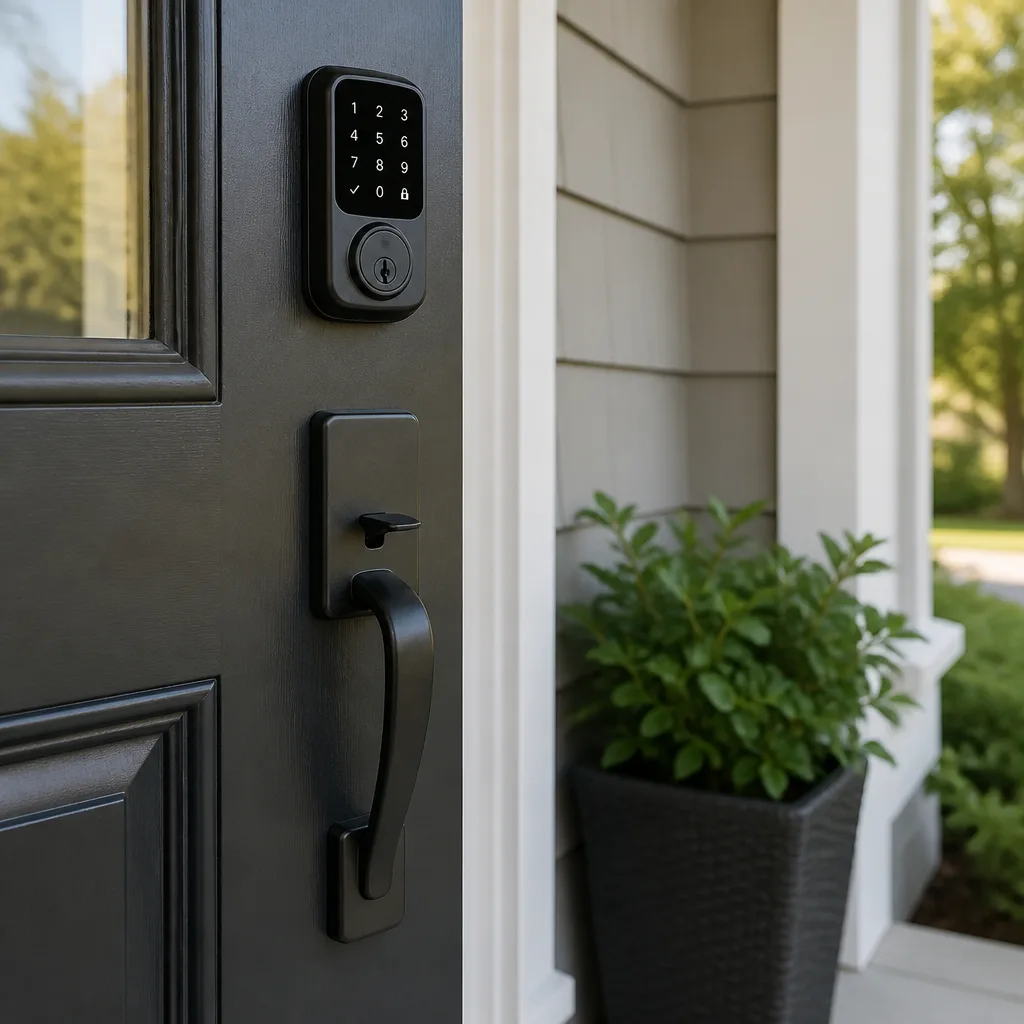 Smart locks
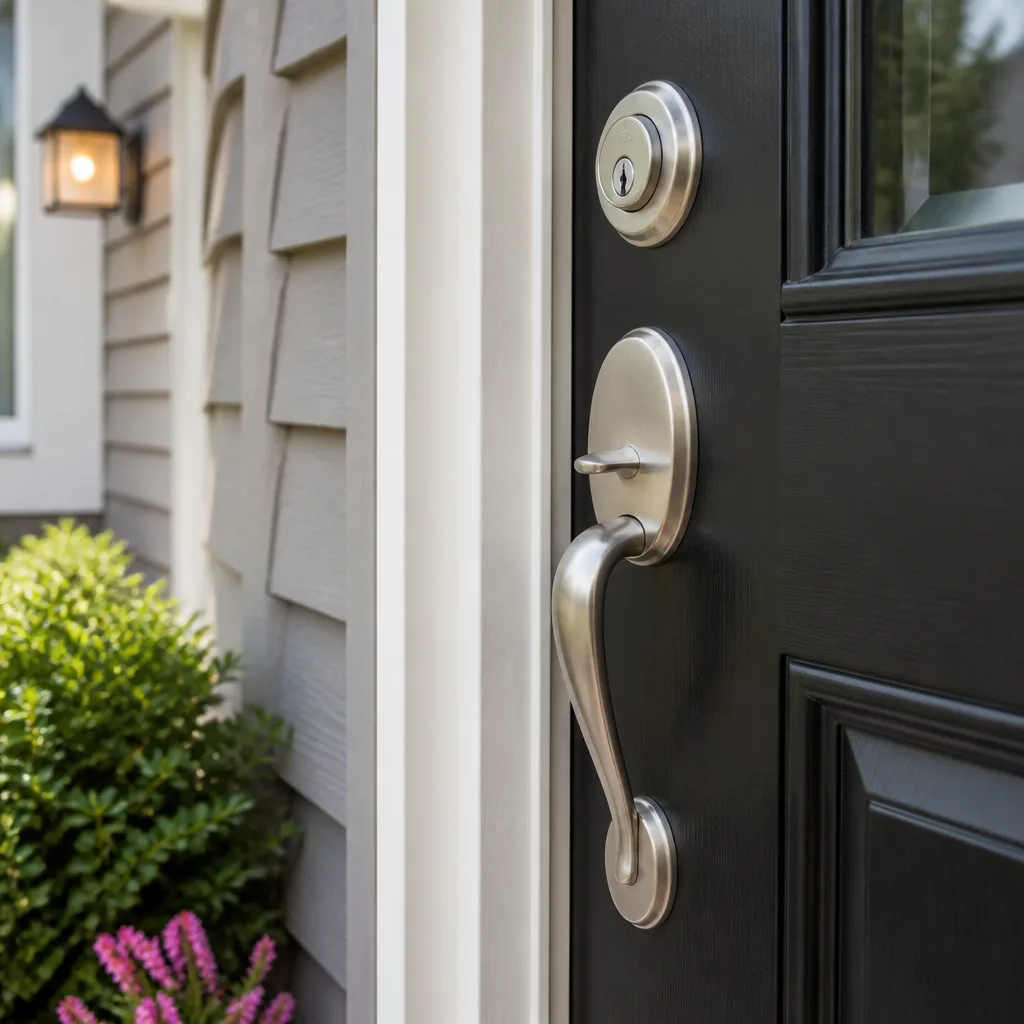 House lockouts
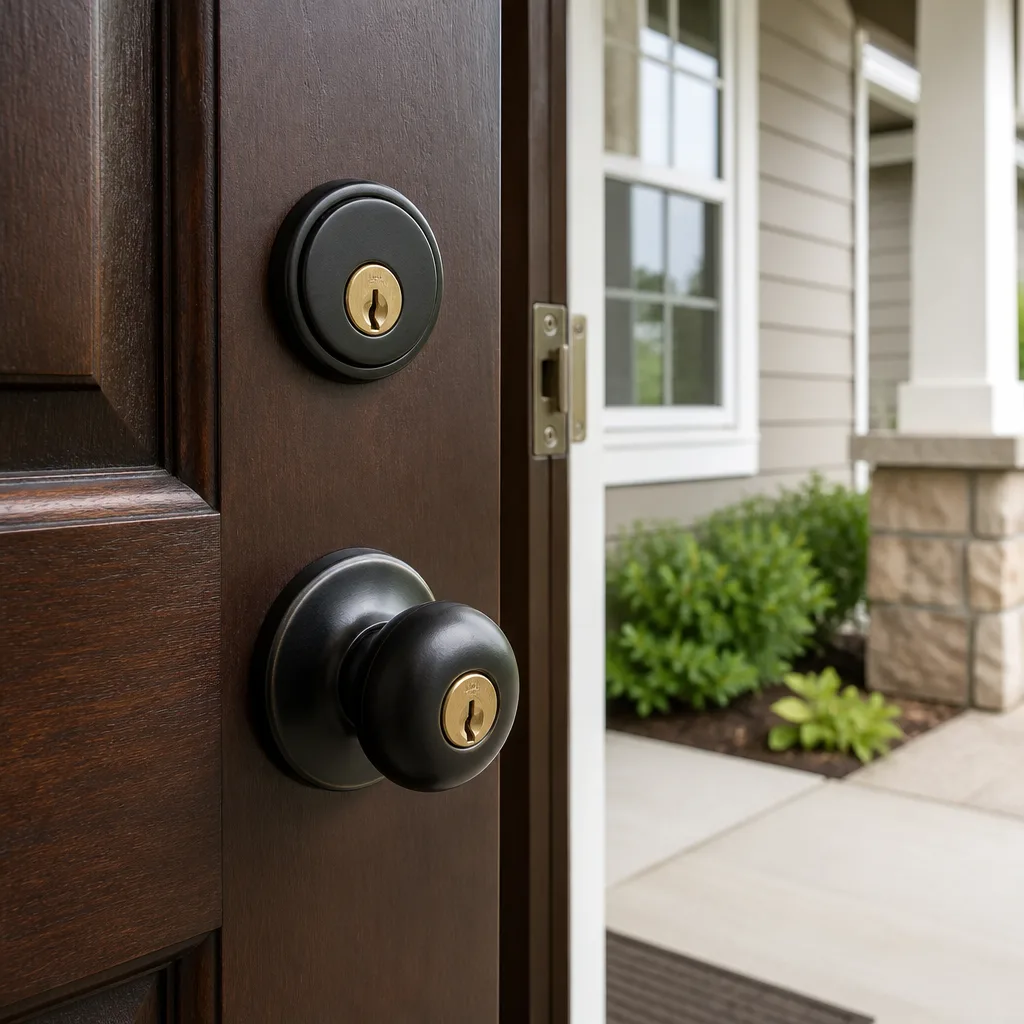 Re-keying
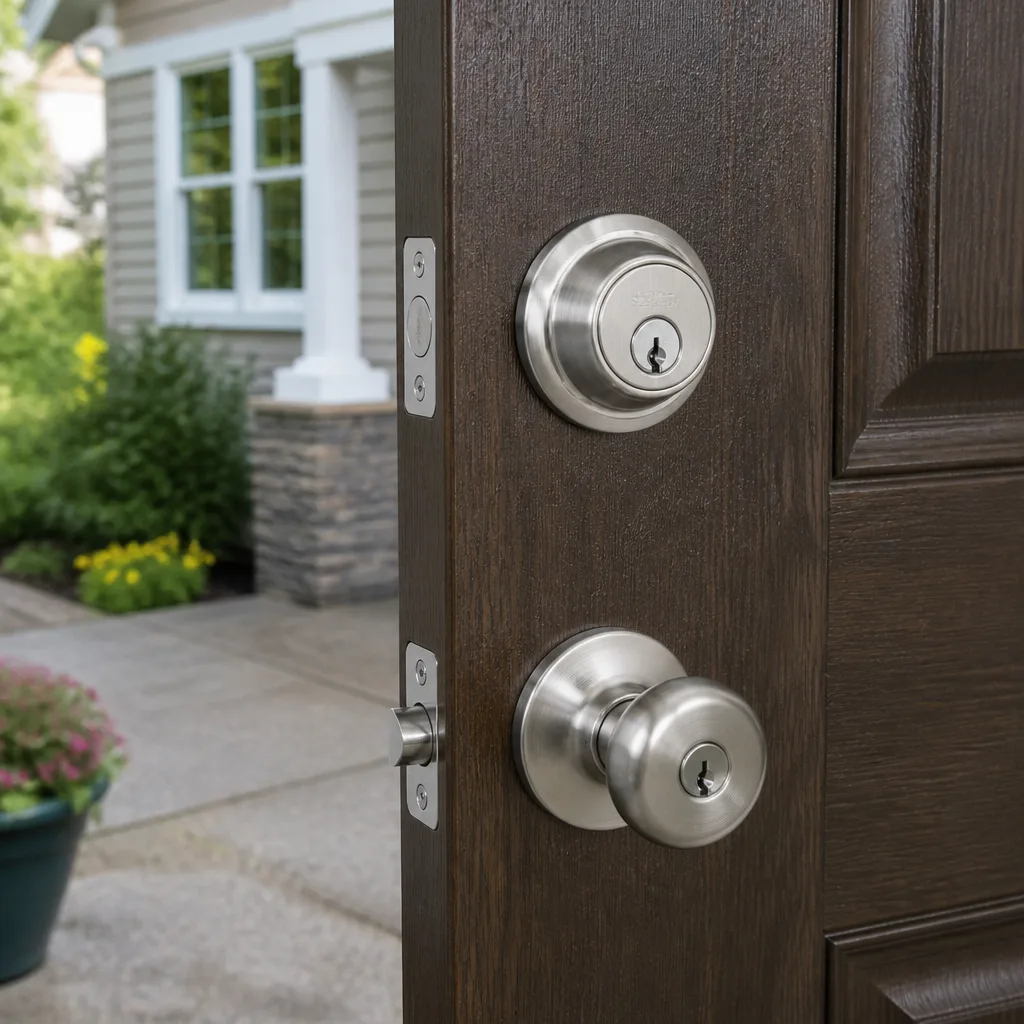 Deadbolt upgrades
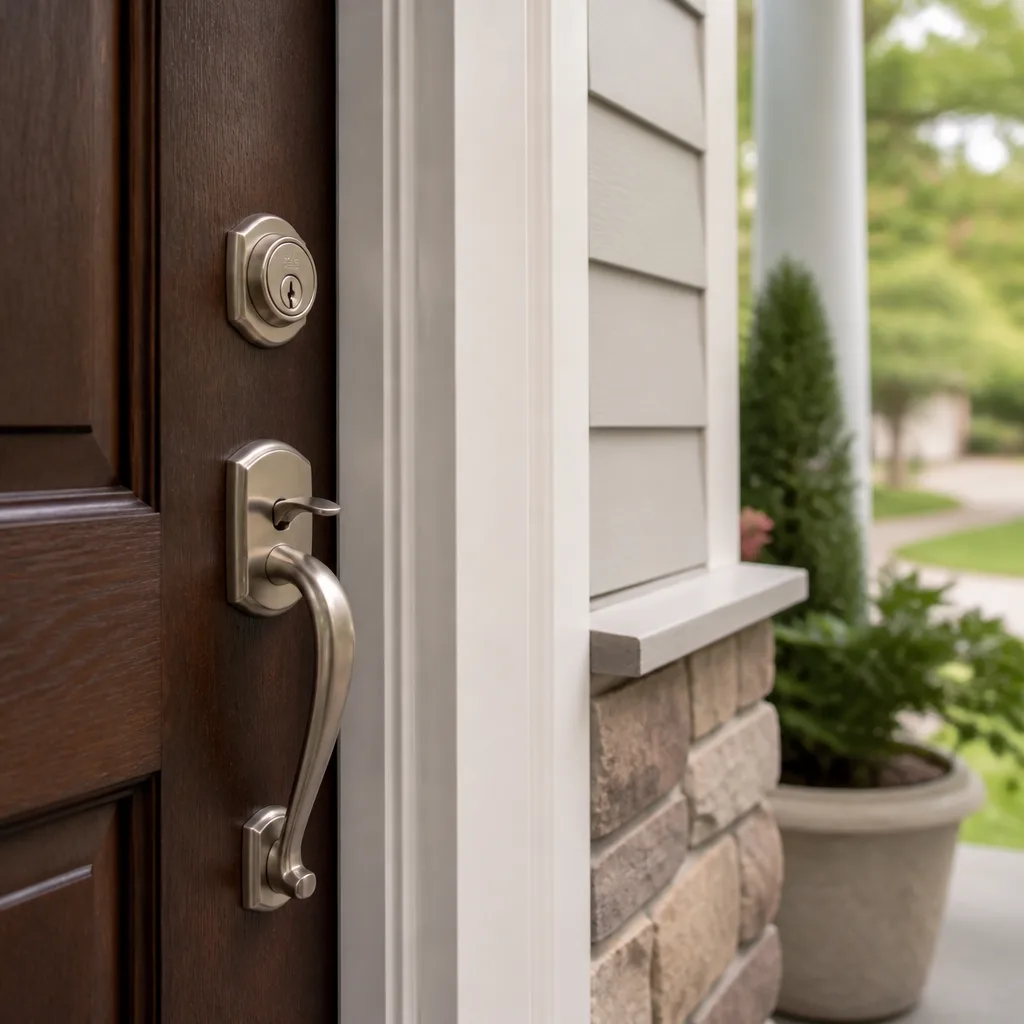 Schlage
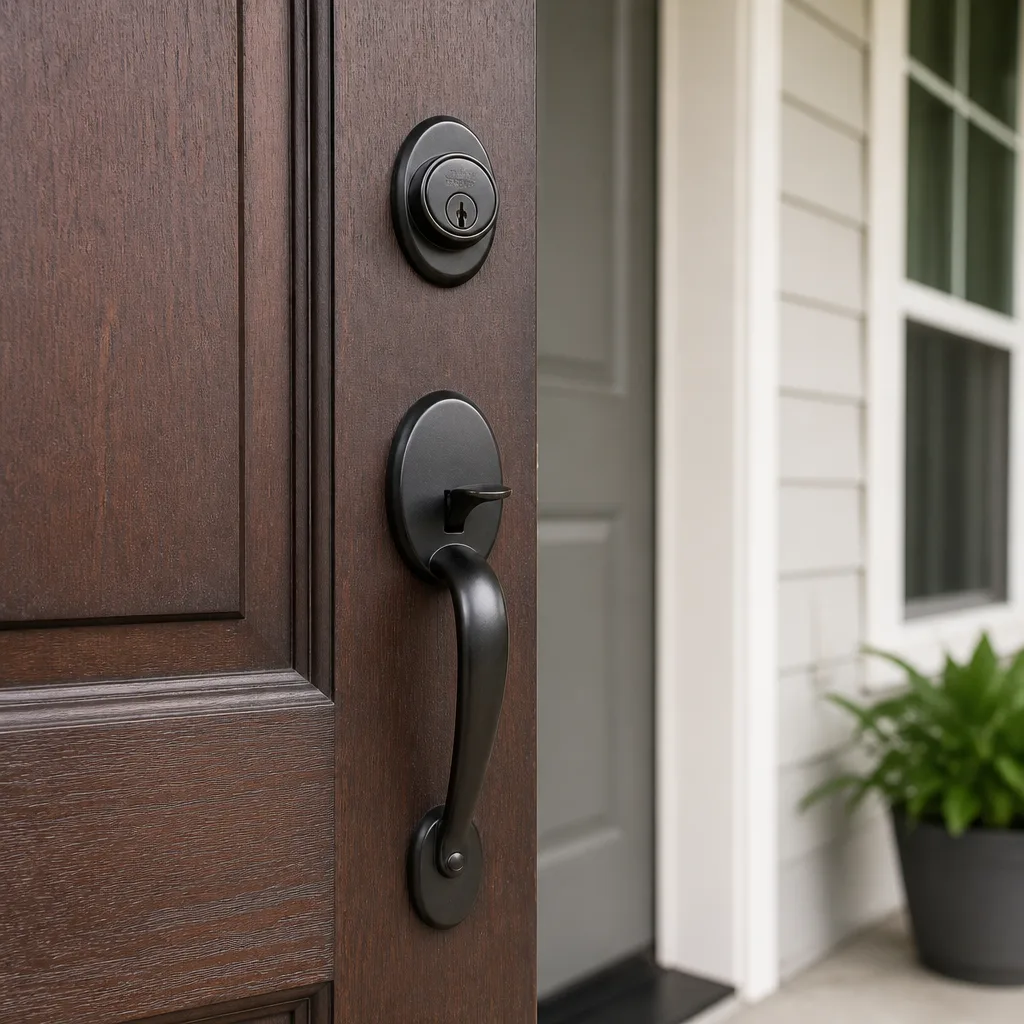 Kwikset
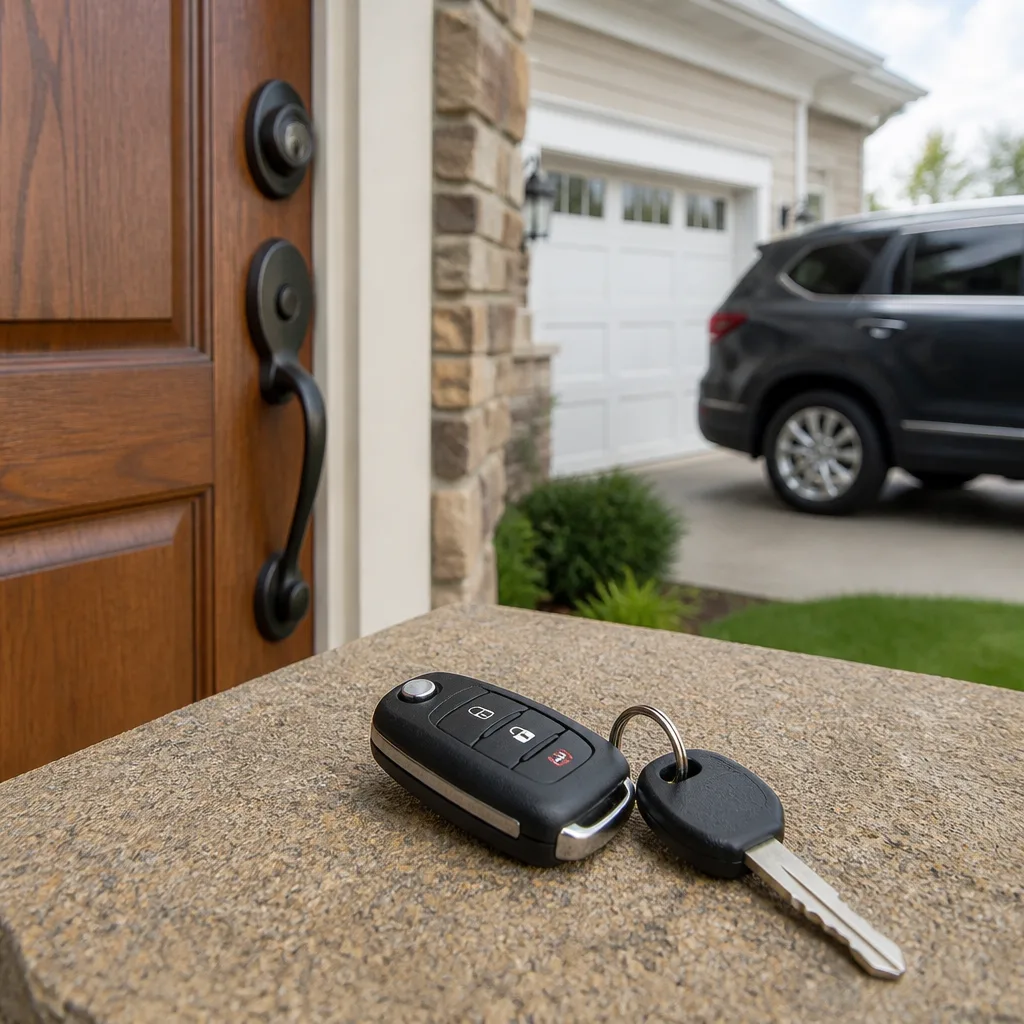 Car keys & fobs
Non-destructive entry first, always - and we re-key Schlage, Kwikset, and Baldwin locks on the spot while you watch
You get a price before we start. It does not change when we arrive. No surprises.
Get your free estimateDIY vs Professional Locksmith: The Pasadena Homeowner’s Decision Guide
Installing a Kwikset deadbolt yourself takes about 20 minutes and costs roughly $45 in parts. Installing a Medeco high-security deadbolt takes the same 20 minutes but often voids the security certification that makes the lock worth buying in the first place. The difference between a successful DIY lock project and an expensive mistake in Pasadena isn’t your confidence with a screwdriver. It’s whether you understand the hardware you’re holding and what failure actually costs. This guide draws the line clearly so you can decide with facts, not guesswork.
Styles & brands we work with
Quick Answer
Basic lock work in Pasadena – swapping a standard Kwikset or Schlage deadbolt, replacing a strike plate, or changing a key fob battery – is genuinely DIY-safe for most homeowners with basic tools. But any job involving high-security cylinders (Medeco, Mul-T-Lock, Abloy), smart lock integration, rekeying without a rekey kit, or lock work after a break-in belongs with a professional. The line is drawn by the hardware grade and the stakes of getting it wrong, not by how simple the job looks.
Table of Contents
- The Four Variables That Determine DIY Viability
- Jobs That Are Legitimately DIY-Safe
- Jobs That Look Simple But Have Professional Failure Modes
- The Insurance and Warranty Angle
- The Decision Matrix: Your Situation, Clear Recommendation
- What Pasadena Homeowners Specifically Need to Know
- Common Mistakes to Avoid
- When to Call a Professional
- Frequently Asked Questions
- The Bottom Line
The Four Variables That Determine DIY Viability
Before we get into specific jobs, you need to understand what actually separates a safe DIY lock project from one that should involve a locksmith. In our experience working across Pasadena, homeowners who evaluate these four variables before touching a screwdriver rarely end up calling us for a rescue job. Those who skip this step often do.
Variable 1: Lock Grade
The American National Standards Institute (ANSI) grades locks in three tiers. Grade 3 is residential entry-level – most Kwikset and Schlage locks you’ll find at Home Depot or Lowe’s fall here. Grade 2 is light commercial, common in apartments and condos. Grade 1 is commercial and high-security, and this is where brands like Medeco, Mul-T-Lock, and Abloy live. Here’s what matters for DIY: Grade 3 locks are designed for straightforward replacement. The mounting holes are standardized, the instructions are written for homeowners, and a misaligned strike plate is usually the worst outcome. Grade 1 locks are precision hardware with tight tolerances. A Medeco cylinder, for example, requires specific torque settings and alignment that DIY installation almost always gets subtly wrong – and that subtle error compromises the exact tamper resistance you paid for.
Variable 2: Door Prep Condition
Door prep refers to the holes already drilled in your door. Standard residential doors have a 2-1/8-inch cross bore and a 1-inch edge bore, matching most Kwikset and Schlage hardware. If your door already has this prep and you’re replacing like-for-like, installation is largely a matter of removing screws and reusing the same holes. But Pasadena has plenty of older homes – parts of the city date back to the 1940s and 1950s – with non-standard door prep. If your existing holes are slightly off, or if you’re upgrading from a basic knob to a full deadbolt, you’re now drilling into a door that may be solid oak or reinforced steel. That requires hole saws, jigs, and experience. Get the angle even slightly wrong and the lock binds, the bolt doesn’t throw fully, and you’ve compromised the door’s structural point of failure.
Variable 3: What’s Already Installed
If you’re replacing a Kwikset with another Kwikset, or a Schlage with another Schlage, the tailpiece and mounting plate configurations generally line up. But swapping between brands – say, replacing a Yale with a Baldwin – introduces compatibility questions. Different manufacturers use different spindle lengths, different screw patterns, and different latch geometries. You can absolutely swap brands, but you may need adapter plates or minor door modification. And if you’re moving from a standard pin-tumbler cylinder to a high-security restricted-key system like Mul-T-Lock or Abloy, the mounting requirements change entirely. High-security cylinders are physically larger and often require a specific housing. Forcing one into a standard prep is how we’ve seen doors damaged and locks rendered unserviceable.
Variable 4: Consequences of Installation Error
This is the variable most DIY guides ignore. Ask yourself: what happens if I get this wrong? If you misalign a strike plate on an interior bedroom door, the worst case is a door that doesn’t latch – an annoyance. If you misalign the deadbolt on your front door in a Pasadena neighborhood with regular property crime, you’ve created a false sense of security. The lock may feel like it works, but a shoulder bump or a pry attack defeats it in seconds. For high-security locks, the stakes are even higher: if your Medeco or Mul-T-Lock installation doesn’t meet manufacturer spec, the warranty is void and the certification that restricts key duplication is meaningless. You’ve paid premium hardware prices for standard-lock performance.
Jobs That Are Legitimately DIY-Safe
Let’s be completely clear: some lock work is genuinely appropriate for a homeowner with a Phillips screwdriver, a YouTube video, and 30 minutes of patience. Here are the jobs where we tell Pasadena residents to go ahead and do it themselves – we’d rather you save the money for when you actually need professional help.
1. Replacing a Standard Deadbolt or Knob (Same Brand, Standard Prep)
If your door has standard prep holes and you’re replacing a Kwikset deadbolt with another Kwikset deadbolt (or Schlage with Schlage), the manufacturer has designed this to be homeowner-accessible. The process is:
- Remove the two screws on the interior thumb turn or knob plate.
- Remove the two screws holding the exterior cylinder in place.
- Slide the old latch mechanism out of the edge bore.
- Insert the new latch, making sure the beveled side faces the direction the door closes.
- Install the new cylinder and thumb turn, aligning the tailpiece with the latch.
- Test with the door open before closing it. Always test with the door open.
Expect to pay $40-$80 in parts for a decent Grade 3 deadbolt. The entire job takes under 30 minutes. There’s genuinely no reason to call a locksmith for this unless you have a compatibility issue or your door prep is non-standard.
2. Replacing a Strike Plate
A worn or misaligned strike plate is one of the most common causes of a door that doesn’t latch properly. Replacing it is a $5-$10 part and two screws. If the new strike plate doesn’t align with the latch hole, you can file the opening slightly larger or add a thin shim behind the plate. This is low-stakes, low-cost work with almost no failure mode beyond cosmetic scuffing.
3. Replacing a Key Fob Battery
Modern key fobs for vehicles and some smart locks use standard CR2032 or CR2025 batteries. Most fobs open with a small flathead screwdriver at a seam, the battery slides out, the new one slides in. Total cost: $3-$8. Total time: 5 minutes. There’s no reason to pay a locksmith or dealership for this – though if you’re in Pasadena and your fob needs reprogramming after a battery change (some older models do), that’s a different service entirely. Our Car Key Replacement in Pasadena service covers fob programming when battery replacement isn’t enough.
4. Lubricating a Sticky Lock
A lock that’s become stiff or sticky usually just needs lubrication. Use a dry graphite lubricant or a Teflon-based spray – never WD-40, which attracts dirt and gums up over time. Spray a small amount into the keyway, insert and remove the key several times, and the mechanism typically frees up. This is a 5-minute maintenance job with no disassembly required.
5. Adjusting a Door Hinge for Minor Alignment
If your deadbolt isn’t throwing fully because the door has settled, sometimes the fix is at the hinge, not the lock. Tightening loose hinge screws or adding a hinge shim can realign the door enough for the bolt to clear the strike plate cleanly. This is standard homeowner maintenance. If shimming doesn’t solve it, you may have a door alignment problem that’s beyond the lock – and at that point, the lock isn’t your actual issue.
Jobs That Look Simple But Have Professional Failure Modes
This is the section where most DIY guides fail you. Certain lock jobs look exactly as simple as the ones above – a few screws, a few minutes – but the failure modes are invisible until weeks or months later. In Pasadena, where we regularly see smart home integration projects, older home retrofits, and high-security installations, these are the jobs that generate the most emergency callbacks.
Smart Lock Installation on an Existing Door
A smart lock install looks like a standard deadbolt replacement because the mounting surface is similar. But the failure modes are entirely different. Smart locks require the bolt to throw and retract with minimal friction – if your door needs even slight pressure to align, the motor inside the smart lock will strain, the battery drains in weeks instead of months, and the lock eventually fails. You also need to verify that your existing prep truly matches the smart lock’s specifications, not just approximately matches them. And there’s the integration layer: pairing with your Wi-Fi, setting up access codes, configuring auto-lock timers. We’ve seen Pasadena homeowners install smart locks that worked for three days before the misaligned bolt caused a motor failure that voided the warranty.
Rekeying Without a Rekey Kit
Rekeying a lock – changing the internal pins so the old key no longer works – is deceptively simple in concept. You remove the cylinder, swap in new pins matched to a new key, reassemble. But doing it properly requires a rekey kit with the correct pin sizes, a follower tool to keep the pins from springing out, and an understanding of pin depth spacing. Without the right tools, tiny springs and pins scatter across your floor and the lock becomes unusable. With the wrong pin size, the new key may work but the old key may still work too – defeating the entire purpose. For homeowners in Pasadena who’ve recently moved or had a roommate situation end, a professional Rekey Locks in Pasadena service typically costs less than a rekey kit, takes under an hour, and comes with a guaranteed outcome. If you want to learn rekeying as a skill, that’s genuinely great – just practice on a lock that isn’t securing your front door.
High-Security Cylinder Installation
Brands like Medeco, Mul-T-Lock, and Abloy are not sold as DIY products. They’re sold as security systems with certification chains. When you buy a Medeco cylinder, part of what you’re paying for is the restricted keyway – keys can only be duplicated through authorized channels, and the manufacturer tracks every key cut. If you install that cylinder yourself and it’s even slightly misaligned, the locking pins wear prematurely, the cylinder binds, and the security justification for the purchase evaporates. Worse, the warranty is almost certainly void. Most high-security manufacturers require installation by a certified professional as a condition of maintaining the key control certification. We work across the full spectrum from standard Kwikset hardware to restricted high-security cylinders from Medeco and Mul-T-Lock, and we can tell you honestly when a high-security lock is overkill for your situation.
Lock Change After a Break-In
If someone has broken into your home, the security equation changes. You’re not doing routine maintenance – you’re responding to a known vulnerability. The lock that was defeated may have failed because of installation error, hardware wear, or a targeted attack. Replacing like-for-like may not address the actual vulnerability. You should also inspect the door frame, the strike plate, and the surrounding hardware – a break-in often damages the frame in ways that aren’t visible until the door is removed. After a break-in in Pasadena, we recommend a professional security assessment before you replace anything. Our Emergency Locksmith in Pasadena service is built for exactly this situation: fast response, honest assessment, no fear-based upselling.
First-Time Installation of a Deadbolt Where Only a Knob Exists
If your door currently has only a knob and you’re adding a deadbolt, you’re drilling a new hole through the face of the door and the edge. That requires a 2-1/8-inch hole saw on the face, a 1-inch hole saw on the edge, precise alignment, and the right backset measurement. Get the backset wrong and your deadbolt sits too close to the door edge, compromising the structural integrity of the wood between the bolt and the outside world. On older solid-core doors common in Pasadena’s mid-century homes, this is not forgiving work.
The Insurance and Warranty Angle
Here’s something most DIY guides never mention: your lock installation decisions interact with your homeowner’s insurance policy and the lock manufacturer’s warranty in ways that can cost you real money.
Homeowner’s Insurance
Most homeowner’s policies in Texas require “reasonable precautions” against theft. A properly installed Grade 3 deadbolt satisfies that standard for most insurers. But if you install a lock incorrectly and a break-in occurs – say, the bolt wasn’t fully engaging the strike plate – your insurance adjuster has grounds to question whether the loss was preventable. We’re not saying claims get denied over misaligned strike plates routinely, but we are saying that an insurance investigation is the wrong time to discover your DIY lock work didn’t meet basic installation standards. If you have high-value items scheduled on your policy (jewelry, firearms, collectibles), some insurers require Grade 2 or better hardware on exterior doors. Check your policy before deciding what to install.
Manufacturer Warranties
Kwikset and Schlage offer lifetime mechanical warranties on most residential hardware. Those warranties cover manufacturing defects, not installation errors. But high-security brands are different. Medeco, Mul-T-Lock, and Abloy structure their warranties around certified installation. A Medeco cylinder installed by a homeowner who watched a YouTube video is no longer a warrantied product. The restricted key control system – the entire reason you bought the lock – is only as good as the installation. If the cylinder isn’t mounted to spec, the anti-pick and anti-drill features don’t perform as designed. You have premium hardware with generic-level security, and no warranty protection to fall back on. When we install high-security hardware from brands like Baldwin and Yale, we do so knowing that the installation is part of the product. It’s not a bolt-on service – it’s how the hardware achieves its rated performance.
What No One Tells You About “Universal” Hardware
Many big-box locks are marketed as “universal fit” – meaning they adapt to various door preps and backsets. Universal fit works well enough for basic residential use, but “universal” means “compromised in specific ways.” The adjustment mechanisms that allow one lock to fit multiple doors are precisely the points where high-security attacks focus. A lock with no adjustment points has fewer failure modes. This is another reason high-security hardware is installed, not just mounted.
The Decision Matrix: Your Situation, Clear Recommendation
Here’s the practical tool we promised. Find your situation, get a recommendation. No runaround.
Situation 1: You’re replacing a standard deadbolt with the same brand
Recommendation: DIY. This is the classic homeowner job. Standard prep, known compatibility, low stakes. Budget $40-$80 and 30 minutes.
Situation 2: You’re replacing a standard deadbolt with a different brand
Recommendation: DIY with caution. Check the backset and mounting hole pattern before you buy. If everything lines up, proceed. If you’re uncertain after measuring, call us for a phone consultation before drilling anything.
Situation 3: You’re installing a deadbolt where none existed before
Recommendation: Professional. Drilling new holes in a door is unforgiving work. One misaligned bore and you’re replacing the door. The cost of professional installation is less than the cost of a new door.
Situation 4: You’re installing a high-security lock (Medeco, Mul-T-Lock, Abloy)
Recommendation: Professional, no exceptions. The certification, warranty, and security performance all depend on correct installation. This is the clearest line in this guide.
Situation 5: You’re installing a smart lock
Recommendation: Professional unless your door prep is perfect and your existing deadbolt operates flawlessly with zero binding. Smart locks have motors. Motors don’t tolerate friction. If your door needs even slight jiggling to engage, the smart lock will fail prematurely.
Situation 6: You need to rekey a lock
Recommendation: Professional, unless you already own a comprehensive rekey kit and have practiced on scrap hardware. The cost of professional rekeying is typically $15-$30 per cylinder in the Pasadena market. A rekey kit costs more than that and requires skill to use correctly.
Situation 7: You’ve had a break-in or lost your keys
Recommendation: Professional. A break-in requires a security assessment beyond the lock itself. Lost keys require addressing access control – who has the keys, and what they can open. This is exactly what Emergency Locksmith in Pasadena service is designed for.
What Pasadena Homeowners Specifically Need to Know
Pasadena isn’t a generic suburb. The city’s housing stock spans decades, its climate creates specific lock failure modes, and its property crime patterns shape what security actually makes sense. Here’s what matters for lock decisions in this specific city.
Older Housing Stock Means Non-Standard Prep
A significant portion of Pasadena’s residential inventory was built between 1940 and 1970. These homes often have doors that are not standard thickness – some are 1-3/4 inches, some are 1-5/8 inches, and a few are even thinner. Standard modern locksets are designed for specific door thickness ranges. If your door is outside those ranges, the tailpiece may not reach, the mounting screws may bottom out, or the latch may sit proud of the door edge. Homeowners in older Pasadena neighborhoods who attempt DIY installation on these doors often discover the incompatibility after they’ve already removed the old lock and can’t reinstall it. Now you have a door that doesn’t lock and a hole that doesn’t match any hardware you own. That’s a Friday afternoon emergency call waiting to happen.
Climate and Corrosion
Pasadena sits in Harris County, close enough to Galveston Bay that humidity is a constant factor, especially from April through October. Locks on exterior doors face salt-adjacent humidity, temperature swings, and occasional extreme weather events. Hardware that isn’t corrosion-resistant will bind and fail within a few years. When you’re choosing DIY hardware, look for coastal-rated finishes. When you’re choosing high-security hardware, brands like Baldwin and Yale offer finishes engineered for humid climates – a detail that matters more here than in, say, Dallas or Austin.
Housing Transitions Are Constant
Pasadena has a highly transient population due to the petrochemical industry and surrounding employment centers. Homes turn over frequently. Every turnover creates a rekeying need. You don’t know who has copies of the old keys – contractors, cleaners, neighbors who helped previous owners, real estate agents. Professional rekeying after every move is the single most cost-effective security measure in this market. A professional rekey in Pasadena is cheaper than replacing hardware and eliminates the unknown-key problem completely.
Smart Home Adoption Is Accelerating
Pasadena residents are adopting smart home security at a rapid pace, largely driven by new construction and renovation activity. The appeal is obvious: remote monitoring, access codes for contractors and guests, integration with video doorbells. But the smart locks being installed in Pasadena homes are only as good as the mechanical foundation they’re mounted on. A smart lock on a misaligned door is a battery drain and a security illusion. We’ve watched this pattern emerge across the city and the lesson is consistent: the mechanical layer comes first.
Common Mistakes to Avoid
- Testing with the door closed. Always test a newly installed lock with the door open first. If something is misaligned and the door is closed, you may have trapped yourself in a room or locked yourself out. This sounds obvious until you’re standing on your porch realizing your new deadbolt threw but won’t retract.
- Using WD-40 to lubricate a lock. WD-40 is a penetrating oil and water displacer, not a lock lubricant. It leaves a residue that attracts dust and dirt, creating a gritty paste inside the cylinder. Use dry graphite or Teflon-based spray instead. If you’ve already used WD-40, the fix is a thorough cleaning and re-lubrication.
- Forcing a tailpiece that doesn’t align. If the tailpiece on your new deadbolt doesn’t seat cleanly into the latch mechanism, something is incompatible. Forcing it usually means the mounting plate is misaligned or you have the wrong hardware for your door thickness. Step back and reassess rather than stripping screws or bending components.
- Assuming “universal fit” means “fits perfectly.” Universal fit hardware is designed to meet minimum standards across a range of door sizes. It rarely achieves optimal performance on any specific door. The adjustment points that make it universal are also the points that wear and create slop over time.
- Ignoring the strike plate. Your deadbolt is only as strong as the plate it throws into. A standard 1-inch screw into a softwood door frame is a point of failure – a firm shoulder push can splinter the frame. Upgrade to a reinforced strike plate with 3-inch screws that bite into the framing stud behind the jamb. This is a $15 DIY upgrade that genuinely improves security.
- Rekeying without understanding pin depth. Using incorrect pin sizes during a DIY rekey can create a lock where multiple keys work, or where the correct key works intermittently. This isn’t a close-enough discipline. Improper pin depth creates wear patterns that eventually cause complete lock failure.
- Discarding the old hardware before verifying the new hardware works. Keep your old lock installed and functional until you’re absolutely certain the new one is working correctly. If you hit an incompatibility, you want the option to put the old hardware back on. Once the old hardware is in the trash, you’re committed to the new install working – and that’s when people call us in a panic.
When to Call a Professional
Call a locksmith when the stakes exceed your confidence – and be honest with yourself about which is which. High-security installations like Medeco, Mul-T-Lock, or Abloy cylinders are never DIY work because the certification depends on professional installation. Smart lock integration on anything less than a perfectly aligned door deserves professional attention because the failure mode is invisible until the warranty is already void. Rekeying after a move or a security incident is a professional service because the outcome needs to be guaranteed, not attempted. Break-ins require security assessment, not just part replacement. And any job where the door prep is non-standard – common in older Pasadena homes – is a professional job because drilling errors are expensive and irreversible. The team at Knight Locksmiths works across the full hardware spectrum, from standard Kwikset and Schlage residential locks through Baldwin and Yale architectural hardware to certified high-security systems from Medeco, Mul-T-Lock, and Abloy. We’ll tell you honestly when a job is DIY-appropriate and when it’s not. Knight Locksmiths offers free estimates in Pasadena – call (833) 589-8049.
Frequently Asked Questions
A standard rekey in Pasadena typically runs $15-$30 per cylinder, with most homes having 2-4 exterior cylinders. Standard deadbolt installation runs $40-$80 in labor when the door prep is standard. High-security installation (Medeco, Mul-T-Lock, Abloy) runs higher due to the precision required and the certification value. The price you’re quoted on the phone should be the price on the invoice – if a locksmith won’t commit to a number before arriving, that’s a red flag. Call (833) 589-8049 for an exact quote on your specific job.
At Knight Locksmiths, the quote you receive on the phone is the price on the invoice, period. We don’t employ bait-pricing tactics, we don’t add call-out surcharges when we arrive, and we don’t discover “complications” that double the bill. The full price is committed before anyone is dispatched. If another locksmith won’t commit to a firm price over the phone, treat that as the red flag it is.
Yes. Rekeying changes the internal pins inside the existing cylinder so the old key stops working and a new key operates the lock. The hardware stays in place. This is the right choice when the existing locks are in good condition and you simply need to control who has access – after a move, after a roommate departure, or after a key loss. It’s significantly cheaper than replacing hardware. Our Rekey Locks in Pasadena service covers both standard and high-security cylinders.
For most Pasadena homes, a properly installed Grade 2 deadbolt with a reinforced strike plate provides solid protection. High-security systems from Medeco, Mul-T-Lock, or Abloy make sense when you have specific concerns: high-value assets, a previous break-in, a need for strict key control (guaranteeing no unauthorized copies can be made), or commercial-grade requirements. Your security situation is specific – so is the right answer. We’ll tell you honestly if high-security is overkill for your circumstances.
Emergency locksmith service is a defined priority at Knight Locksmiths – when you’re locked out, the situation can’t wait until business hours. Our Emergency Locksmith in Pasadena service is built around time-critical response. Call (833) 589-8049 for immediate assistance.
For standard residential brands like Kwikset and Schlage, DIY installation generally preserves the lifetime mechanical warranty as long as the installation is correctly done. For high-security brands like Medeco, Mul-T-Lock, and Abloy, the warranty and key-control certification typically require professional installation as a condition. Read your specific product documentation – and if the warranty matters to you, the installation should be done by someone who can stand behind the work.
The Bottom Line
DIY lock work in Pasadena has a clear boundary. Standard deadbolt replacement, strike plate swaps, fob battery changes, and lock lubrication are honest homeowner jobs – save the money and do it yourself. But high-security installations from Medeco or Mul-T-Lock, smart lock integration, rekeying without proper tools, break-in response, and any work on non-standard older doors deserves a professional who can guarantee the outcome. The line isn’t about your confidence or your tool collection. It’s about the hardware you’re working with and what failure costs. From everyday residential hardware to restricted high-security cylinders, one call to Knight Locksmiths at (833) 589-8049 settles the question – and we’ll tell you honestly which side of the line you’re on.
Written by the team at Knight Locksmiths, serving Pasadena since 2011.