
Last updated October 30, 2026
 Smart locks
 House lockouts
 Re-keying
 Deadbolt upgrades
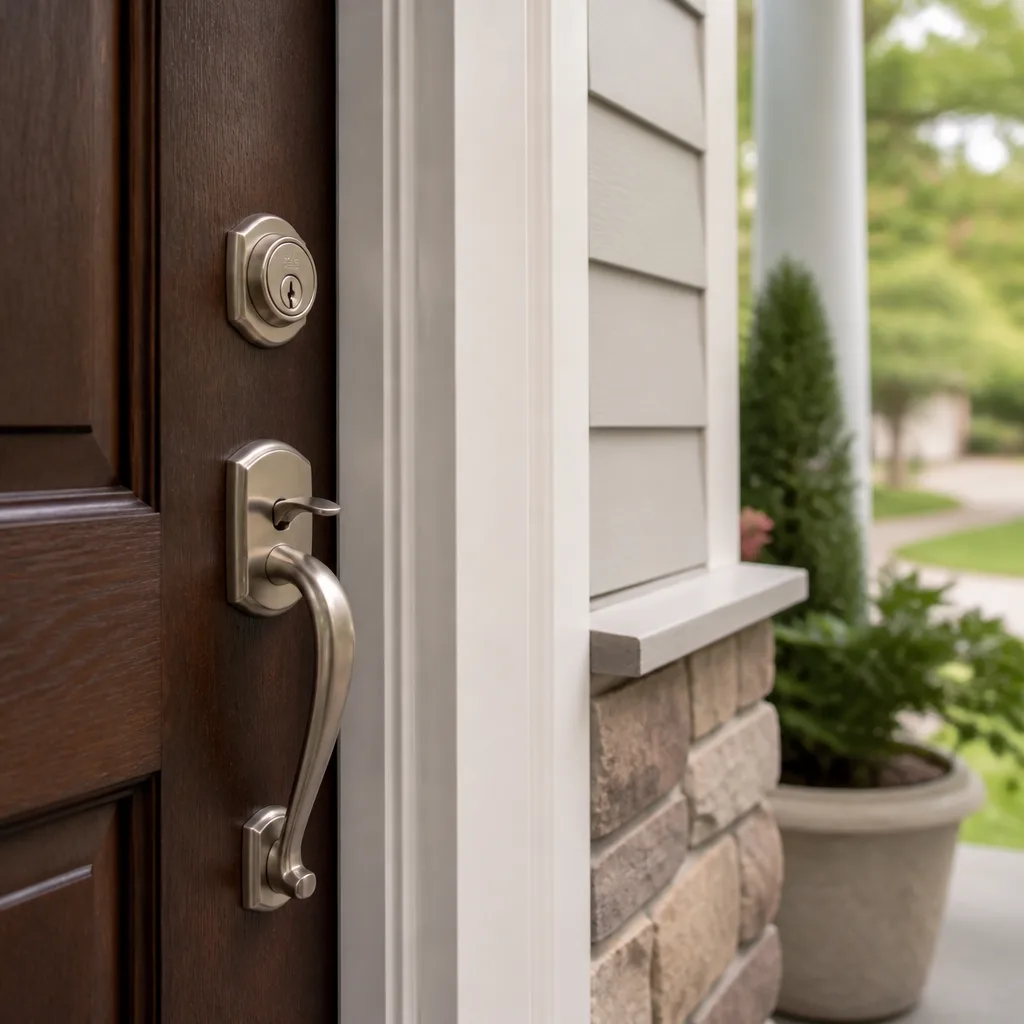 Schlage
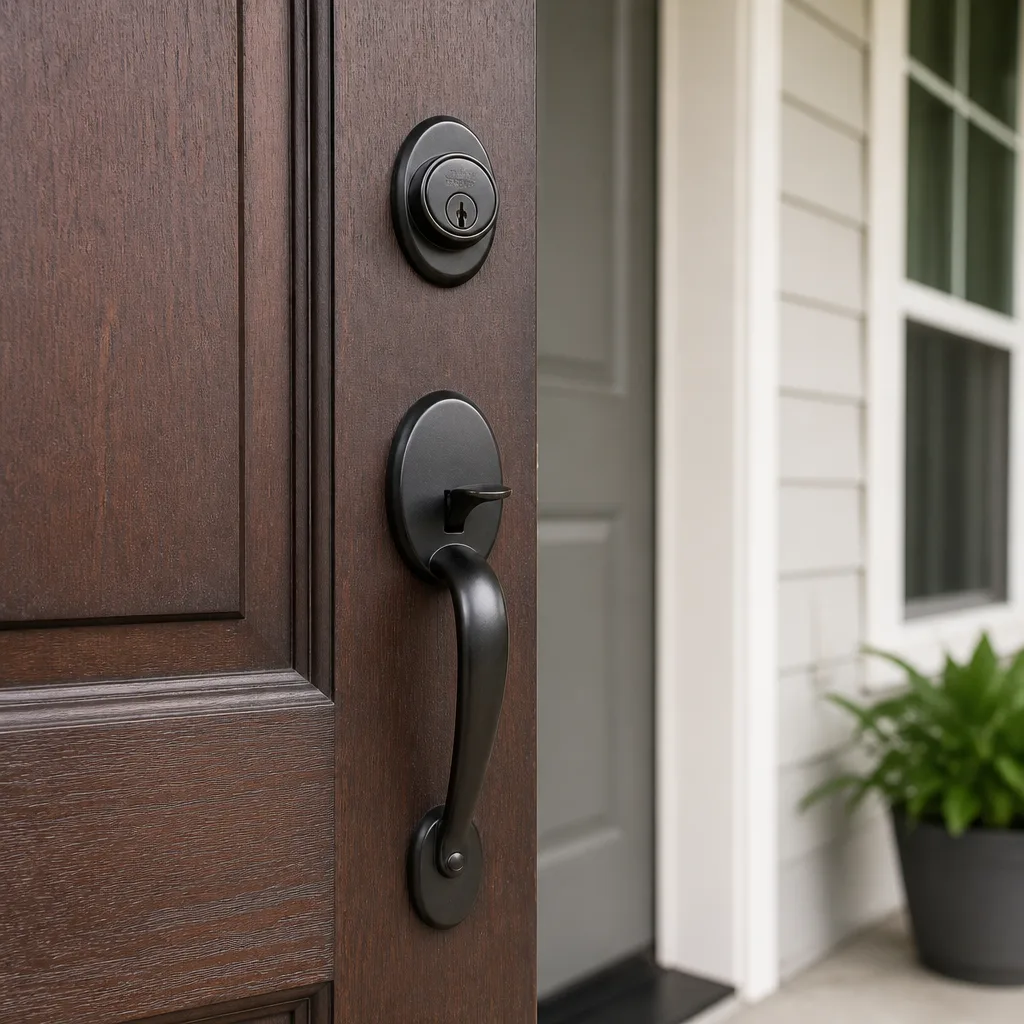 Kwikset
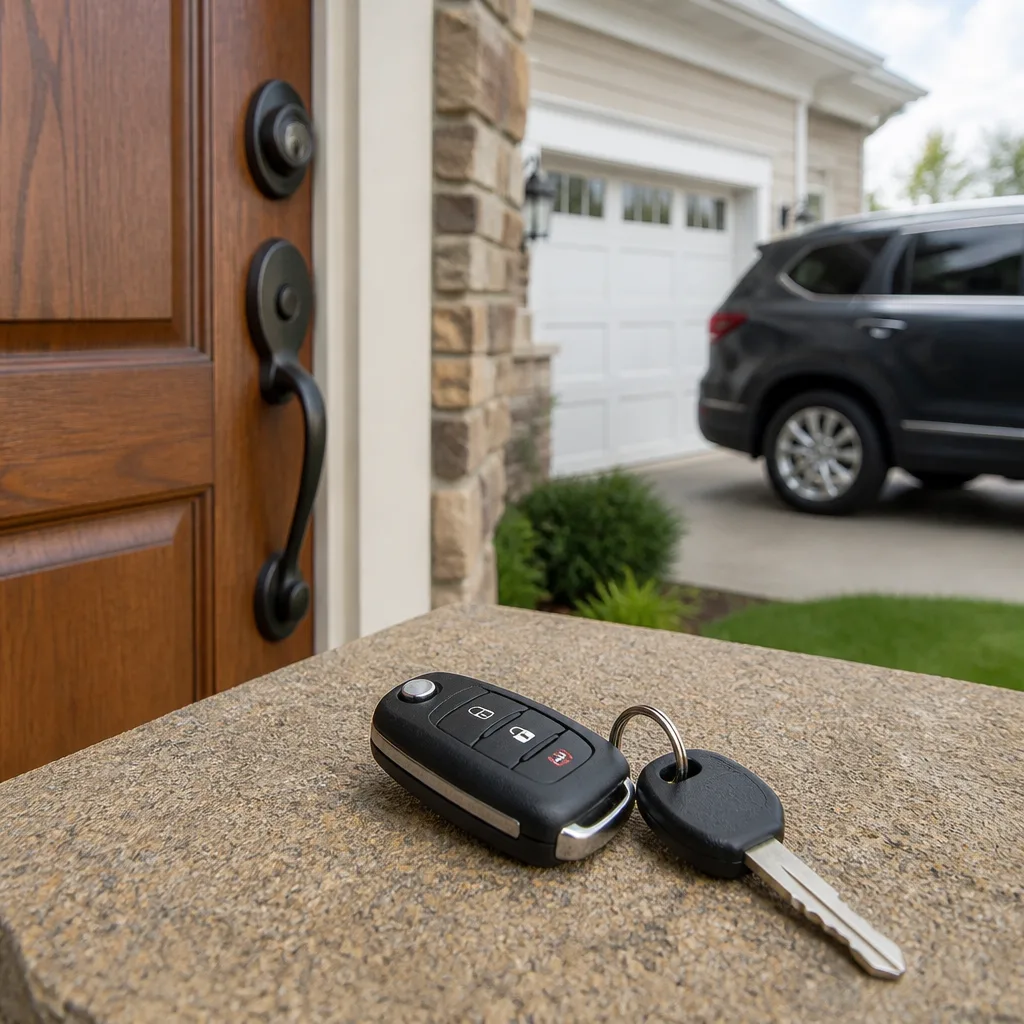 Car keys & fobs
Non-destructive entry first, always - and we re-key Schlage, Kwikset, and Baldwin locks on the spot while you watch
You get a price before we start. It does not change when we arrive. No surprises.
Get your free estimateSeasonal Locksmith Care for Pasadena: Year-Round Homeowner’s Guide
The February 2021 freeze seized locks across the Houston metro that had never needed maintenance before. In Pasadena, where homes aren’t built for hard freezes, a five-minute graphite application every fall would have kept most of those deadbolts working. This guide walks you through what Pasadena’s actual climate does to your door hardware, month by month, so you’re never standing outside your own house at the worst possible moment. For more guides & resources, explore our blog.
Quick Answer
Lock maintenance in Pasadena TX comes down to four seasonal tasks: dry-lubricating exterior cylinders every fall, checking deadbolt alignment when summer heat swells door frames, applying corrosion protection to hardware exposed to Ship Channel salt air, and testing every entry point before hurricane season. Most Pasadena lock failures are predictable and preventable with about 20 minutes of attention per season.
Styles & brands we work with
Table of Contents
- Spring: Storm Prep and Corrosion Check
- Summer: Heat Expansion and Deadbolt Alignment
- Fall: The Freeze-Proofing Ritual
- Winter: What a Hard Freeze Does to Locks
- Year-Round: Salt Air and the Ship Channel Effect
- Printable Seasonal Lock Maintenance Checklist
- When Hardware Type Changes the Maintenance Equation
- Common Mistakes to Avoid
Spring: Storm Prep and Corrosion Check
Spring in Pasadena means humidity climbing back into the 80s and 90s, which is when corrosion that started months ago becomes visible. The metal components inside your locks respond to moisture the same way a car’s undercarriage does near the coast. You won’t see it happening until the key starts binding or the latch feels stiff.
Here’s what spring maintenance should cover on a Pasadena home:
- Test every exterior lock on the property. Include gates, sheds, garage side doors, and the lock on your breaker panel if it has one. A lock you don’t use regularly is more likely to seize than the front door you open twice a day.
- Inspect for surface rust and pitting. Focus on the bottom of the lock body where water pools, and on the strike plate where the bolt slides in. Rust there is an early warning that internal components are degrading.
- Run a key in and out ten times, slowly. If it catches anywhere in the rotation, the cylinder needs attention before it becomes an emergency Emergency Locksmith in Pasadena call in the middle of hurricane season.
- Check door alignment after winter. Even a mild Pasadena winter causes minor frame movement. A deadbolt that scrapes the strike plate in March will be fully jammed by August.
One spring task most national guides get wrong for this area: they tell you to lubricate in spring. In Pasadena, spring lubrication invites dust adhesion during the dry late-spring weeks, which gums up pin tumblers faster than dry operation. Save lubrication for fall. Spring is for inspection and cleaning with compressed air or a dry brush only. In our experience working on homes across Pasadena, deadbolts that get a thorough dry cleaning in March are dramatically less likely to fail during the first cold snap of the following winter.
Summer: Heat Expansion and Deadbolt Alignment
Pasadena summers routinely push past 95°F for weeks at a time. That heat does something specific to door hardware: it expands wooden door frames and metal door slabs at different rates. The result is a deadbolt that no longer lines up with its strike plate, even though it worked perfectly in April. You’ll notice it as a deadbolt that requires you to pull the door toward you, or push on it, before the bolt will throw.
This is the most common summer lock failure we see on homes throughout the Pasadena area. The fix is usually simple, but it needs to happen before the frame hardens into its expanded shape:
- Identify which doors are binding. Test every exterior deadbolt at midday, when the frame is at maximum expansion. Morning tests miss the problem.
- Look at the strike plate. If the bolt scrapes the top or bottom edge of the plate opening, the frame has shifted. A scraping bolt wears down the internal gears inside the lock body over time.
- Adjust the strike plate, not the lock. Moving the strike plate by 1/16 to 1/8 inch restores alignment without touching the lock mechanism. This is a ten-minute job with a screwdriver on most homes. If the frame has shifted more than that, the door hinges may need adjustment instead.
- Test again at night. Pasadena’s summer overnight lows only drop into the 70s, so the frame stays expanded. If the bolt throws cleanly at 9pm, it’ll work at 2pm.
A deadbolt that keeps binding after strike plate adjustment points to internal wear rather than frame movement. Schlage and Kwikset entry hardware generally handles Pasadena heat well when properly installed, but any deadbolt that’s more than a decade old and fighting a misaligned strike plate is a candidate for replacement. If you’re considering an upgrade, our Choosing the Right Locksmith Brand: A Buyer’s Guide for Pasadena can help you decide. The premium hardware lines like Baldwin hold their alignment longer under repeated heat cycles, which matters when a single Texas summer can push a door frame through 40° of daily temperature swing.
Fall: The Freeze-Proofing Ritual
The single most valuable hour a Pasadena homeowner can spend on lock maintenance happens in October or November. The February 2021 freeze made this point painfully across the entire Houston metro: locks that hadn’t been lubricated in years seized solid when temperatures dropped into the teens, leaving people locked out of homes and cars in dangerously cold conditions. The failure wasn’t the cold itself. It was moisture that had accumulated inside the cylinders all summer, freezing solid and jamming the pin tumblers.
The fix costs about five dollars and works on every standard lock:
- Use a dry graphite or PTFE lubricant, never WD-40. WD-40 is a water displacer and penetrant, not a lubricant. It leaves an oily film that attracts dust and, in Pasadena’s humid fall, reabsorbs moisture. Graphite and PTFE stay dry, so they can’t freeze.
- Insert the lubricant into the keyway. For graphite powder, a short burst from the tube into the keyhole does it. For PTFE spray, use the thin straw and apply for one second. Less is more.
- Work the key in and out 15 to 20 times. This distributes the lubricant through the full pin stack. Then wipe the key clean.
- Apply a light coating to the bolt itself. The deadbolt latch benefits from a thin dry lubricant film, especially on older hardware with metal-on-metal contact.
- Repeat on every exterior lock. Front door, back door, garage side door, gate, shed, and any padlock that lives outside. A freeze doesn’t care which door you prefer to use.
This is also the season when rekeying makes the most sense, especially for anyone who’s lost track of who has copies of their keys after a year of housecleaners, contractors, pet sitters, or a recent move. A Rekey Locks in Pasadena appointment in October means one less thing to worry about before the holidays and the unpredictable winter that follows. Fall is preparation season, and in Pasadena that preparation should always include lock maintenance alongside your furnace check and pipe insulation.
Winter: What a Hard Freeze Does to Locks
Pasadena winters are mild until they aren’t. The February 2021 event dropped temperatures into the single digits in parts of the Houston area, and even homes that had weathered decades of normal winters saw door hardware fail overnight. The mechanism is straightforward: any moisture inside a lock cylinder freezes at 32°F, and a lock that worked fine at 40°F can be impossible to turn at 20°F.
Your winter lock protocol should follow this order:
- Pre-freeze: complete the fall lubrication ritual above. Dry lubricant displaces moisture. This is your first line of defense.
- During a freeze: don’t force it. A key that won’t turn under tension is a broken key waiting to happen. The key blade is the weakest part of the system, and replacing a snapped key is more expensive than waiting for the ice to relent.
- If you must get in now: warm the key with body heat or a lighter for a few seconds before inserting it. The warm key transfers enough heat to melt the ice inside the cylinder in many cases. Never pour hot water on an exterior lock; the water refreezes and makes the problem worse.
- Post-freeze: check for damage. Ice expansion can crack cheap pot-metal lock bodies or strip internal springs. After temperatures come back above freezing, test every exterior lock and look for any new stiffness or grinding.
The hard truth from 2021 is that many Pasadena-area homeowners replaced working locks that had simply never been maintained. The freeze wasn’t the root cause; it was the trigger. A lock with dry lubricant applied in the fall will function through any freeze Pasadena is likely to experience. The homes that struggled were the ones that had gone years without a single drop of maintenance, because nobody expected a Houston-area freeze severe enough to matter.
Year-Round: Salt Air and the Ship Channel Effect
Pasadena sits close enough to the Houston Ship Channel and Galveston Bay that salt air is a measurable factor in hardware corrosion. The effect isn’t as dramatic as a beachfront home in Galveston, but it’s real: exterior locks in Pasadena corrode faster than the same hardware installed in Katy or Sugar Land. Humidity compounds the problem, because salt-laden moisture spends more time in contact with metal surfaces in a climate that rarely dries out completely.
What this means practically:
- Brass and bronze hold up better than nickel or zinc alloys. If you’re choosing new hardware for an exterior door on a Pasadena home, solid brass internals are worth the premium over cheaper pot-metal locks from big-box stores.
- Check for green or white residue around the keyway. That’s corrosion, not dirt, and it’s a signal that the cylinder needs cleaning and lubrication. Green means copper corrosion from brass components; white means zinc corrosion from cheaper alloys.
- High-humidity periods require more frequent inspection. The weeks after a hurricane or extended rain push salt-laden moisture into every seam of your lock hardware. A post-storm inspection should be part of your standard hurricane recovery checklist.
- Electronic locks need their battery compartments checked more often in Pasadena. Humidity accelerates corrosion on battery contacts. If your keypad lock gets sluggish or shows low battery warnings sooner than expected, salt-air corrosion of the contacts is usually the culprit.
For homes with security needs that justify an upgrade, high-security hardware from brands like Abloy or Mul-T-Lock uses corrosion-resistant internal components designed for harsher environments than standard residential locks. These aren’t necessary for every Pasadena homeowner, but for properties near the Ship Channel or with a history of repeat cylinder failures, the upgrade math changes. A Knight Locksmiths home consultation can assess whether your location warrants hardware beyond standard residential grade.
Printable Seasonal Lock Maintenance Checklist
Here’s a Car Key Replacement Maintenance Checklist for Pasadena Homeowners built specifically for Pasadena’s climate. Print it, tape it inside a garage cabinet, and run through it when the seasons turn.
Spring (March – May)
- Test every exterior lock with its key: front, back, garage side door, gates, shed
- Inspect for rust, pitting, or white/green corrosion residue
- Clean lock cylinders with compressed air or dry brush only
- Check deadbolt alignment on all exterior doors
- Verify all strike plates are tight and flush against the frame
Summer (June – August)
- Re-test deadbolt alignment at midday when frames are fully expanded
- Adjust strike plates on any door that binds
- Watch for keys that catch or scrape during insertion (early heat-warp warning)
- Check weatherstripping around doors; degraded seals let humid air reach lock internals
- If a deadbolt consistently binds, schedule a professional alignment check
Fall (September – November)
- Apply dry graphite or PTFE lubricant to every exterior lock cylinder
- Work each key 15-20 times to distribute lubricant
- Lubricate deadbolt latches with a light dry-film coating
- Verify all copies of house keys are accounted for; rekey if any are missing
- Test garage door emergency release locks and any padlocks stored outside
Winter (December – February)
- Keep a graphite tube or PTFE spray on hand; reapply if a freeze forecast appears
- Test every lock after temperatures drop below freezing
- Never force a frozen key; warm the key instead
- Inspect locks for freeze damage after temperatures recover
- Check that all exterior door frames are sealed against moisture intrusion
When Hardware Type Changes the Maintenance Equation
Not all locks in Pasadena face the same threats. The hardware on a 1980s ranch house with original Kwikset cylinders ages differently than a Baldwin entry set on a newer build, and both differ from high-security Sargent or Mul-T-Lock cylinders on a commercial property. Knowing what you have determines what maintenance it actually needs.
Standard residential hardware from Schlage and Kwikset is the most common throughout Pasadena neighborhoods. These locks are durable and easy to service, but their pin tumblers are sensitive to dust and corrosion buildup. Annual dry lubrication and periodic cleaning keep them functioning for 15 to 20 years in most cases. When one fails, replacement is often cheaper than repair.
Premium architectural lines like Baldwin and Yale prioritize finish durability, which matters for curb appeal but doesn’t change the internal maintenance equation much. A Baldwin deadbolt still needs dry lubrication and alignment checks. What the premium lines buy you is a lock whose exterior finish resists the salt-air pitting that shows up on cheaper hardware within a few Pasadena summers.
High-security cylinders from Abloy, Medeco, and Mul-T-Lock are built to tighter internal tolerances, which means two things for maintenance. First, they resist corrosion better than residential-grade internals because their components are machined from harder, more corrosion-resistant materials. Second, when they do need servicing, they require specialized tools and knowledge. A homeowner can graphite-lubricate a Kwikset cylinder with good results. A high-security restricted-key cylinder should get professional attention when it starts binding, because forcing it or using the wrong lubricant can damage precision components that cost significantly more to replace.
The takeaway: maintenance frequency is similar across hardware grades, but the stakes scale with the hardware quality. Cheap lock, low risk of expensive repair. High-security lock, rare failure but expensive when it happens. Either way, the seasonal routine in this guide applies, and it prevents the vast majority of issues before they start.
Common Mistakes to Avoid
- Using WD-40 as a lock lubricant. It attracts dust, dries into a gummy film, and reabsorbs moisture in Pasadena’s humidity. Dry graphite and PTFE are the only appropriate lubricants for lock cylinders.
- Waiting until a lock seizes before addressing it. A key that scrapes when you insert it has been telling you something for months. The failure that strands you outside your Pasadena home at 10pm started as a minor stiffness you ignored at 10am.
- Forcing a frozen or binding key. Broken keys inside lock cylinders are one of the most common emergency calls in this trade. The key will break before the lock gives way, every time.
- Lubricating a dirty lock. Adding lubricant to a cylinder full of dust and corrosion creates abrasive paste that wears down the pin tumblers faster. Clean first, then lubricate.
- Ignoring the strike plate alignment. A deadbolt that scrapes its strike plate isn’t just annoying; it’s placing uneven load on the internal components. Left uncorrected through a Pasadena summer, this is how deadbolts fail internally.
- Replacing hardware without considering the specific climate. Buying a lock based on price alone and installing it on a Ship Channel-adjacent home means you’ll be replacing it again in three to five years. Material choice matters in salt air.
- Forgetting non-standard doors. Gates, sheds, pool equipment enclosures, and garage side doors get the worst weather exposure and the least maintenance. They’re also the locks most likely to fail during a freeze or after heavy rain because nobody thought about them for years.
When to Call a Professional
This seasonal maintenance routine handles most Pasadena lock care, but certain situations warrant professional attention. A key that snaps off inside the cylinder during a freeze requires extraction tools and the skill to avoid damaging the lock. A deadbolt that won’t align after repeated strike plate adjustments may point to a structural frame issue that needs both a carpenter’s assessment and a locksmith’s hardware expertise. High-security cylinders from Medeco, Abloy, or Mul-T-Lock should never be serviced with consumer products; their precision internals require proper tools. And any lock that’s been in place for 15 years or more on an exterior Pasadena door is worth a professional evaluation before it fails at the worst possible moment. Knight Locksmiths offers free estimates in Pasadena, call (833) 589-8049.
Frequently Asked Questions
Lubricate exterior locks once a year in the fall with dry graphite or PTFE. Pasadena’s humidity makes annual lubrication more important than in drier climates, but more frequent application than once a year causes dust accumulation that wears down pin tumblers.
Dry graphite powder or PTFE spray are the correct choices. Both stay dry after application, which prevents moisture from being attracted into the cylinder, and both work through a hard freeze. WD-40 is a penetrant, not a lubricant, and it causes more problems in humid Pasadena air than it solves.
Summer heat above 95°F expands your wooden door frame, shifting the strike plate out of alignment with the deadbolt. The fix is adjusting the strike plate, not replacing the lock. This is the most common seasonal lock problem on Pasadena homes.
Yes. That freeze wasn’t a fluke in the climate record; it was the type of event that hits the Houston metro every few decades. The lesson for Pasadena homeowners is that freeze preparation only takes one fall lubrication session per year, and it’s the difference between a working lock and a frozen one when the temperature drops.
Yes. Salt-laden air from the Houston Ship Channel and Galveston Bay accelerates corrosion on exterior hardware. Homes in Pasadena experience measurably faster rust and pitting than homes further inland, which means material choice matters more here. Brass and bronze internals are worth the premium on exterior locks.
Rekey when the lock works fine but you’ve lost track of who has keys; replacement is needed when the internal components are worn, corroded, or damaged. Rekeying a functioning lock costs less, and it’s the right call after a move, a tenant change, or any situation where key control is uncertain. Call (833) 589-8049 for an assessment.
Schlage and Kwikset residential hardware performs well with proper maintenance, while Baldwin’s finish quality resists salt-air pitting better than cheaper lines. For the highest corrosion resistance and security, Abloy and Mul-T-Lock cylinders use precision-machined internals built for harsher environments. The right choice depends on your home’s specific location and security needs.
For most homes, standard Schlage or Kwikset deadbolts with proper annual maintenance provide adequate security. High-security hardware from brands like Abloy, Medeco, or Mul-T-Lock makes sense for homes near the Ship Channel where corrosion is accelerated, or for homeowners who want restricted key control so copies can’t be made without authorization. Our Car Key Replacement in Pasadena service also covers automotive key needs when you’re already thinking about security upgrades.
The Bottom Line
Pasadena’s lock problems come from the climate it actually has, not the one national guides assume. Heat expansion throws deadbolts out of alignment every summer. Humidity and Ship Channel salt air corrode cylinders year-round. And the occasional hard freeze turns unmaintained moisture inside locks into solid ice that seizes them shut. The fix is a seasonal routine that takes about 20 minutes per quarter: inspect and clean in spring, realign in summer, lubricate with dry graphite in fall, and test before freezes in winter. Do that, and the locks on your Pasadena home will work when you need them. Skip it, and you’ll find out what’s wrong at the exact moment you’re locked out.
Written by the team at Knight Locksmiths, serving Pasadena since 2011.