Last updated October 30, 2026
 Smart locks
 House lockouts
 Re-keying
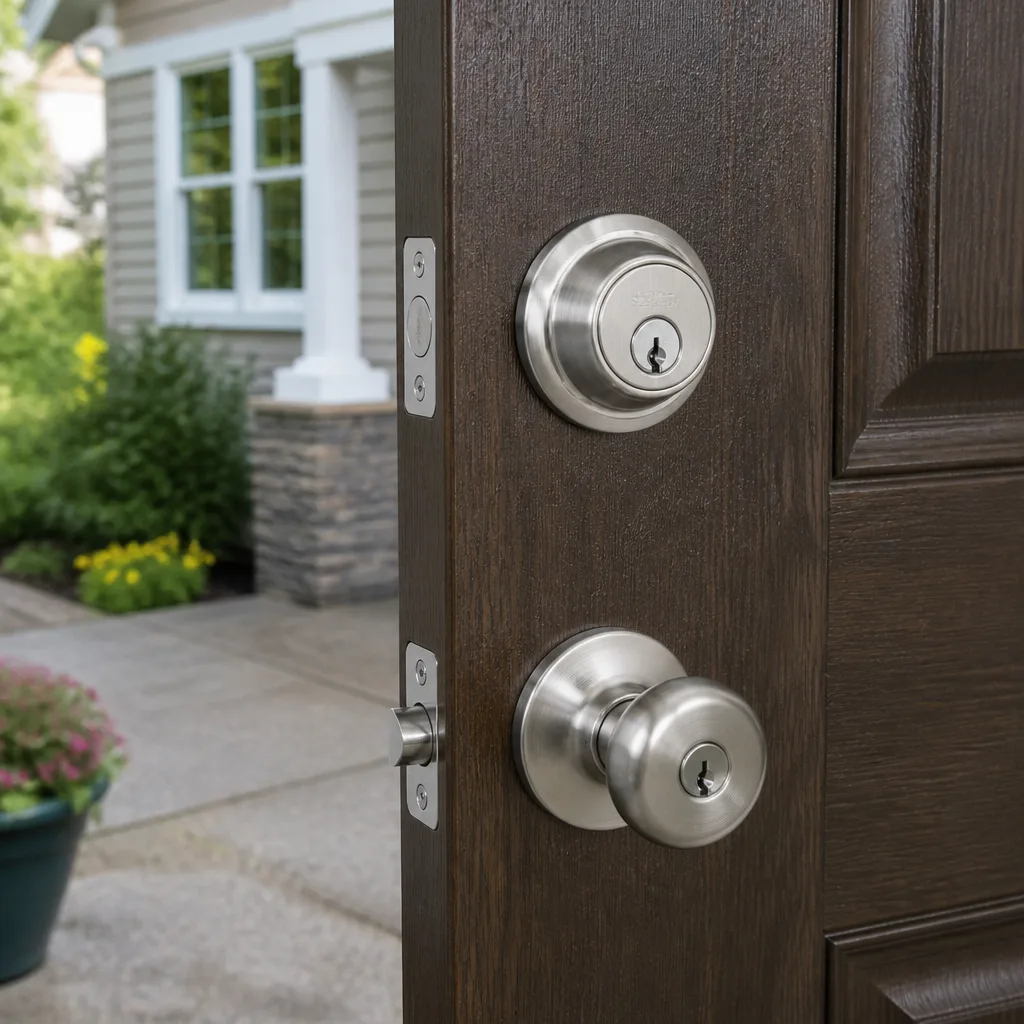 Deadbolt upgrades
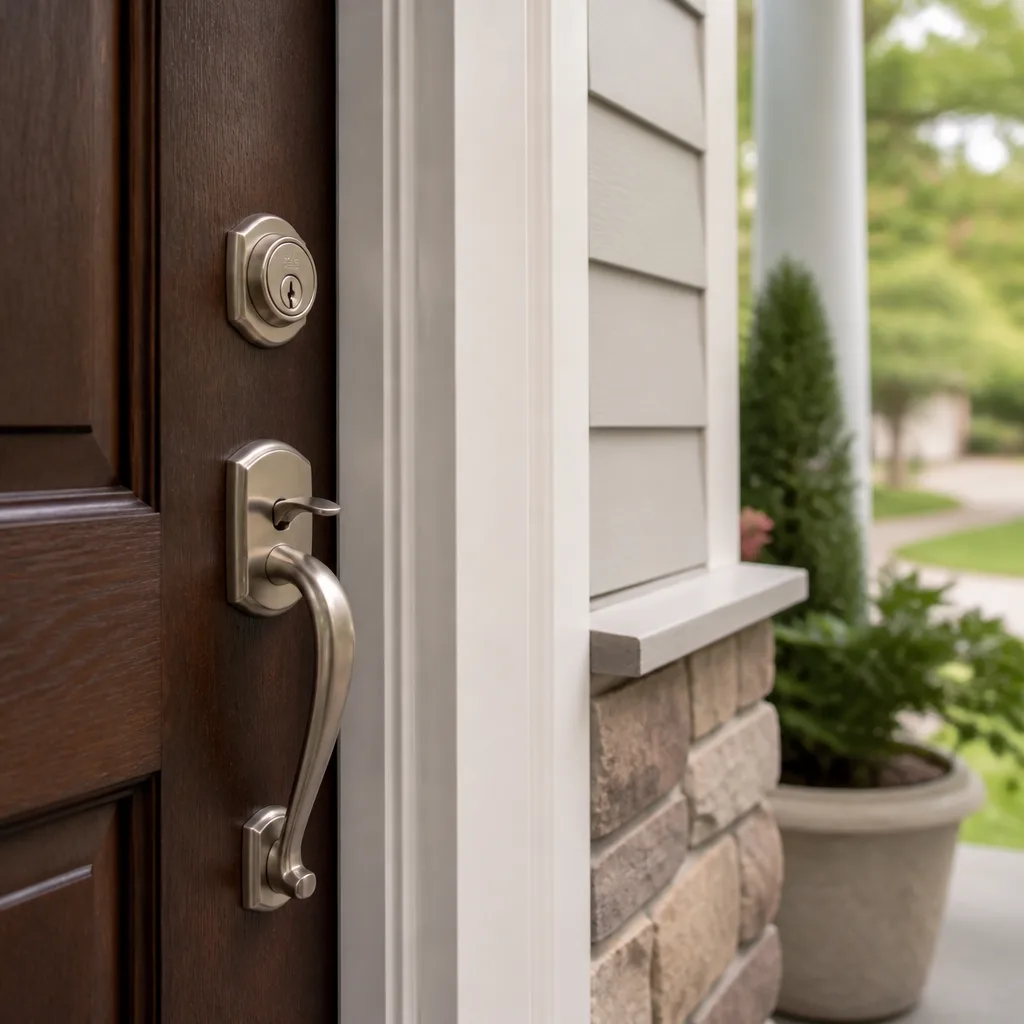 Schlage
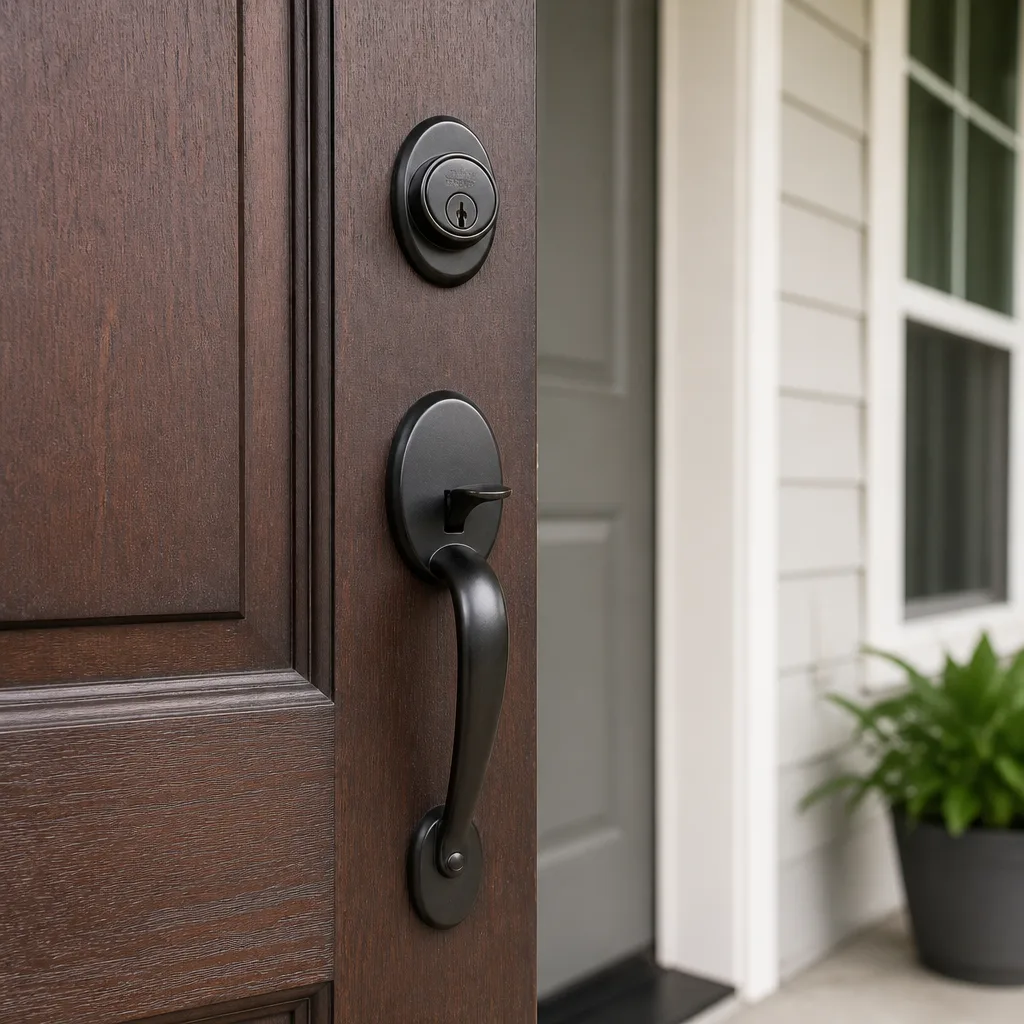 Kwikset
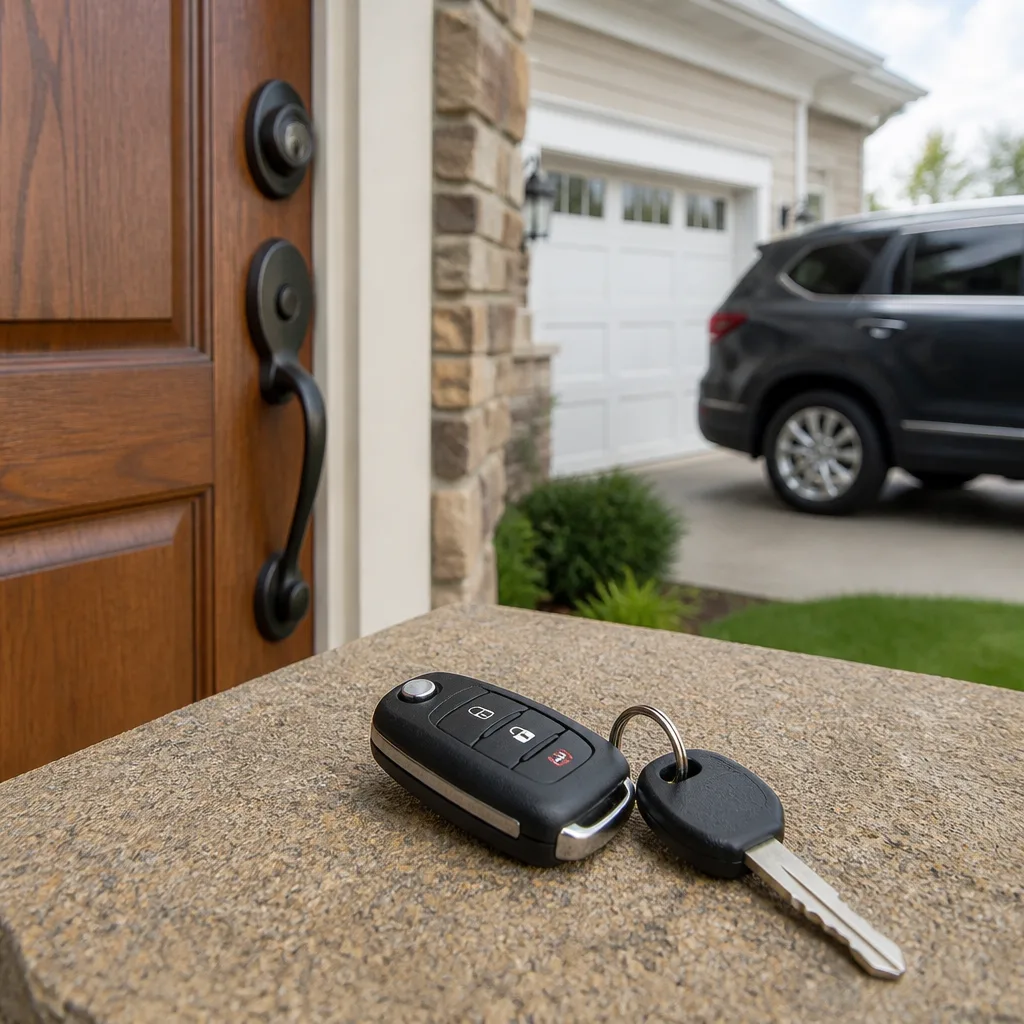 Car keys & fobs
Non-destructive entry first, always - and we re-key Schlage, Kwikset, and Baldwin locks on the spot while you watch
You get a price before we start. It does not change when we arrive. No surprises.
Get your free estimateHow to Hire a Locksmith Contractor in Pasadena: A Step-by-Step Guide
Texas doesn’t make it easy to tell a licensed locksmith from a guy with a drill and a magnetic door sign. In Pasadena, the problem is worse than most people realize: a chunk of the listings you’ll find online aren’t local technicians at all. They’re lead aggregators that sell your job to whoever bids lowest, and the person who shows up may never have pulled a cylinder from a Schlage deadbolt in their life. This guide gives you a concrete 15-minute verification process you can run before anyone touches your locks. You’ll learn how to check a Texas DPS license, spot the five red flags of a call-center scam, and get a written estimate that won’t double by the time the invoice hits your hand.
Styles & brands we work with
Quick Answer
To hire a legitimate locksmith contractor in Pasadena, verify their Texas DPS locksmith license through the state’s online database, confirm the business is locally registered, demand a written estimate before dispatch, and ask directly whether they drill as a first resort or a last one. A real locksmith will answer all of these without flinching. The process takes about 15 minutes and saves you from the $40-quote-turns-into-$400-invoice problem that plagues the industry. For a deeper look at pricing, see our Locksmith Cost Breakdown: The Pasadena Homeowner’s Reference for 2026.
Table of Contents
- Texas Licensing Requirements: What a Real Pasadena Locksmith Must Have
- Step 1: Verify the Texas DPS License in Under Two Minutes
- Step 2: Spot the Five Red Flags of a Call-Center Scam
- Step 3: Questions to Ask Before Work Begins
- Step 4: Understanding Scope of Work: Locksmith Contractor vs. Security Integrator
- Step 5: Getting a Written Estimate That Actually Sticks
- Step 6: Documenting the Job for Warranty and Liability
- Common Mistakes to Avoid
- When to Call a Professional
- Frequently Asked Questions
- The Bottom Line
Texas Licensing Requirements: What a Real Pasadena Locksmith Must Have
Texas is one of only a handful of states that requires locksmiths to hold a state-issued license. That’s a good thing until you realize most people don’t know the requirement exists. Under the Texas Occupations Code, anyone performing locksmith services for compensation must hold a license issued by the Texas Department of Public Safety (DPS) Private Security Bureau. For details on the regulatory framework, read our guide to Locksmith Permits, Codes & Inspections in TX: What You Need to Know. This applies to rekeying a Kwikset entry lock, extracting a broken key from a car ignition, or installing a Medeco high-security deadbolt. No license, no legal work, no exceptions.
The license itself falls into categories: Locksmith Company License and Locksmith Individual License. A company can hold the former, but the person who actually touches your lock must hold the latter. If a company sends an unlicensed technician, they’re operating illegally regardless of what the company’s paperwork says. In Pasadena, we’ve seen this happen with subcontractor dispatch models where the company that takes your call isn’t the company that arrives.
There’s no Pasadena-specific locksmith permit beyond the state requirement, so the DPS license is your single source of truth. The state database is public, searchable, and updated regularly. It’s the first tool you should reach for and it takes less time than ordering a coffee.
What the License Actually Demonstrates
- The individual passed a fingerprint-based background check through DPS and the FBI.
- The company maintains at least the minimum liability insurance required by state rules.
- The individual is registered with the Private Security Bureau, not just operating under a DBA.
- The licensee has a physical business address on file, not just a PO box or virtual office.
None of this guarantees skill, but it eliminates the bottom tier of the market entirely. A licensed locksmith in Pasadena has at minimum been vetted by the state. An unlicensed one hasn’t been vetted by anyone. The difference shows up in how they handle everything from a Baldwin mortise cylinder to a Mul-T-Lock restricted key system.
Step 1: Verify the Texas DPS License in Under Two Minutes
Here’s the exact sequence. You don’t need to be technical to do this, and the whole thing happens on your phone while you’re standing at your locked door. For related preparation tips, see our Locksmith Emergency Preparedness Guide for Pasadena Homes.
- Go to the Texas DPS Regulatory Services Online Licensing Services portal. The direct page is the Private Security Licensee Search. Bookmark it, because you’ll use it again.
- Ask the locksmith for their individual license number. A legitimate technician will have it memorized or on their shirt, card, or website. A scam operator will stammer, say “it’s in the truck,” or pivot to “we’re fully insured.”
- Enter the number into the search tool. The result shows the licensee’s full name, license type, and current status. It should say “Active” or “Current.”
- Compare the name on the license to the person standing in front of you. If the name doesn’t match, ask why. “I work for the licensee” is sometimes legitimate, but the company must be able to prove the individual on site is also licensed.
- Check the company name. The search also lists the company the individual is registered under. If you called “Ace Locksmith Pasadena” and the license shows a different legal entity with no connection to that name, that’s a yellow flag.
The entire process is genuinely under two minutes. The biggest time cost is waiting for the locksmith to supply the number, which is itself a test. In our experience in Pasadena, a real operator answers with the number immediately because they’re asked every single day. A scam operator gets defensive or starts explaining why you shouldn’t need to check.
Step 2: Spot the Five Red Flags of a Call-Center Scam
National call-center locksmith scams follow a predictable pattern. They spend heavily on Google Ads and SEO, rent listings in every metro area including Pasadena, and route calls to whoever picks up. The company that answers the phone has no vehicles, no local technicians, and no accountability. Here are the five tells.
Red Flag 1: The Price Quote Is Suspiciously Low
A “$15 lockout service” or “$19 rekey” is mathematically impossible in Pasadena. A legitimate locksmith has a vehicle, insurance, license fees, tooling, and payroll. No real technician is driving to your house for nineteen dollars. The low number exists to get a technician dispatched. The final invoice lands at $150 to $400 once “security pins,” “lock upgrades,” or “emergency labor” get added.
Red Flag 2: The Phone Is Answered by a Generic “Locksmith Service”
Call the number and listen to how they answer. “Locksmith service, how can I help you?” is a script. A local Pasadena operation answers with the business name. Ask “Is this a Pasadena company?” If the answer hedges or says something like “we service your area,” that’s a national lead aggregator. A real local shop says “Yes, we’re in Pasadena.”
Red Flag 3: They Can’t Name a Single Pasadena Landmark or Cross-Street
Ask the technician on the phone: “Where are you coming from right now?” A local company will say something like “we’re finishing a job over by Strawberry Park” or “we’re leaving our shop on Shaver.” A call-center dispatcher says “a technician is in your area.” That phrase, “in your area,” is the single most reliable marker of a non-local operation.
Red Flag 4: The Vehicle Is Unmarked or Has Out-of-State Plates
This one only works for jobs where the technician comes to you. A legitimate contractor locksmith has a marked van or truck with the company name and license number visible. A rental car, a personal sedan with a toolbox in the trunk, or a vehicle with paper plates is a serious problem. You don’t have to refuse, but you should check the individual license before the drill comes out.
Red Flag 5: They Refuse to Provide a Written Estimate Before Work Begins
This is the deal-breaker. A legitimate locksmith will quote you a flat price over the phone for common jobs: rekey a Kwikset cylinder, open a locked car, replace a Schlage deadbolt. If the person refuses to commit to a number before they “see the job” in a way that lets them add charges on site, that’s a scam pattern. You should know the full price before anyone is dispatched, and that price should be the same number on the invoice.
Step 3: Questions to Ask Before Work Begins
Once you’ve verified the license and cleared the red flags, there are four questions a professional will answer without hesitation. These questions aren’t about catching anyone, they’re about separating the technicians who work on locks from the ones who sell hardware.
Question 1: “Is the price you quoted on the phone the final price?”
This is the most important question you’ll ask, and it has a correct answer. The correct answer is some version of “Yes, unless we find something genuinely unexpected like a broken lock body or a prior botched install, and we’ll call you before doing anything that changes the price.” A wrong answer is “Well, it depends on the situation,” followed by a technician who produces an invoice 40% higher than the quote.
Knight Locksmiths quotes the full price on the phone before anyone is dispatched. The number you get is the number on the invoice. If we discover an additional issue on site, we stop work and call you with the new number before proceeding. No one should ever add a “dispatch fee” or “arrival fee” that wasn’t disclosed on the call.
Question 2: “What’s your policy on drilling?”
A professional locksmith drills locks rarely and as a genuine last resort. The conversation should sound like this: “We’ll try non-destructive entry first, including picking and bypass techniques. We drill only when the lock is damaged, frozen, or the cylinder can’t be picked.” A scam operator’s answer is “Yeah, we’ll have to drill it, it’ll be an extra charge.” Drilling isn’t inherently wrong, high-security cylinders from Medeco or Abloy can require it in extreme cases, but it’s a decision made after exhausting other methods, not the first move.
Question 3: “What did you say your name and license number were again?”
Ask this after the first two questions. A professional repeats both without a pause. An unlicensed operator suddenly gets vague, says “I’m with the guy who has the license,” or gets defensive. This is the single cheapest verification trick in the industry, and it works because the scam model depends on you not asking.
Question 4: “Do you carry the brand of hardware I have?”
If you have a Baldwin handleset, ask directly: “Do you work on Baldwin hardware?” A generalist will say “a lock is a lock.” A specialist will tell you what parts they stock and what they’ll bring. The same goes for Schlage, Kwikset, or Mul-T-Lock. Brand fluency is a proxy for technical depth. A locksmith who can discuss the differences between a Kwikset SmartKey cylinder and a standard pin-tumbler Schlage is someone who has spent real hours doing this work. A locksmith who says “all locks are basically the same” is not.
Step 4: Understanding Scope of Work: Locksmith Contractor vs. Security Integrator
There’s a line in the security business that almost no one tells you about, and knowing where it sits will save you from hiring the wrong person for the wrong job. A locksmith contractor in Pasadena handles all the mechanical and electronic access points in your home or vehicle. A security integrator designs and installs networked access control, alarm systems, and surveillance infrastructure. They’re adjacent trades, but the skill sets are genuinely different.
What a Locksmith Contractor Handles
- Rekeying and key duplication: Rekeying any standard or high-security cylinder, including restricted-key systems from Medeco, Mul-T-Lock, or Abloy.
- Lock installation and replacement: Deadbolts, handlesets, mortise locks, and electronic keypad locks across residential brands like Kwikset, Schlage, and Baldwin.
- Automotive lockouts and key replacement: Vehicle entry, new transponder keys, and key fob programming. See our Car Key Replacement in Pasadena service for the full scope.
- Emergency lockout response: Residential and vehicle lockouts when you can’t get in and the situation can’t wait. Our Emergency Locksmith in Pasadena service covers this.
- High-security cylinder installation: Grade 1 hardware, restricted keyways, and systems that require manufacturer authorization to duplicate keys.
What a Security Integrator Handles
- Enterprise access control systems with centralized management software.
- Networked video surveillance with remote monitoring.
- Alarm system design and monitoring contracts.
- Biometric credential systems tied to HR databases.
The practical rule: if you’re locked out, need a rekey, or need a deadbolt replaced, you want a locksmith contractor. If you’re planning a multi-building access system with dozens of users and audit trails, you want an integrator. Some companies, including ours, sit at the commercial boundary and can advise on both. But no homeowner in Pasadena should be paying integrator rates for a Kwikset rekey.
Step 5: Getting a Written Estimate That Actually Sticks
The locksmith trade has a documented problem with bait-pricing: a low number quoted on the phone, then a high number on the invoice. The fix isn’t complicated. You get a written estimate, in writing, before work begins. Here’s what that estimate should include and how to read it.
What a Legitimate Written Estimate Contains
- The exact service being performed: “Rekey two Schlage entry cylinders to a single key” not “security work.”
- The flat price for that service: Not an hourly range. A flat price. “Rekey two Schlage entry cylinders to a single key: $85” is an estimate. “Labor at $65-$120 per hour plus parts” is not.
- Any parts charges itemized: The estimate should break out hardware costs if new hardware is being installed.
- The service area and travel policy: In Pasadena, most local locksmiths don’t charge a separate travel fee within the city. If one appears on your estimate, ask why.
- A clear statement on additional charges: The estimate should say explicitly that no additional charges will be applied without separate approval.
Red Flags in a Written Estimate
- “Labor” as a single lline item with no breakdown.
- Any phrase like “plus materials” without itemized material costs.
- An estimate that’s only provided after the technician arrives and has “assessed” the job.
- A price that’s lower than the cost of the parts alone, for example, a $20 rekey when the cylinder alone costs more than that at wholesale.
Ask for the estimate in an email or text before the technician dispatches. The phone quote should match the written estimate, and the written estimate should match the invoice. Three numbers, one amount. That’s the pattern to look for.
Step 6: Documenting the Job for Warranty and Liability
Once the work is done, a legitimate locksmith will give you paperwork that serves three purposes: proof of service, warranty documentation, and liability protection. If you’re handed a handwritten receipt that says “locksmith service: $250,” you didn’t get an invoice, you got a souvenir.
What a Legitimate Invoice Includes
- The full legal business name and Texas DPS license number. This is non-negotiable. If the invoice doesn’t have a license number on it, the entity that billed you isn’t the one the state can hold accountable.
- An itemized breakdown of the work. Every cylinder rekeyed, every part replaced, every key cut. You should be able to hand the invoice to another locksmith and have them understand exactly what was done.
- A warranty statement. Most legitimate locksmiths warranty parts and labor for a defined period. Ask what happens if a rekeyed lock fails next week, then confirm that answer is on the invoice.
- The technician’s name and license number. Not just the company. The individual who did the work. If something goes wrong, you want to point at a person, not a logo.
- Date, time, and location of service. The basics, but surprisingly often missing from scam invoices.
In Pasadena, we’ve seen homeowners with no invoice, no license number, and no warranty later discover the lock was barely rekeyed, just re-pinned with one fewer pin in the cylinder. A proper invoice is your only paper trail for a warranty claim. Keep it. The warranty is only as good as the documentation that proves the work happened.
Common Mistakes to Avoid
- Picking the first Google result without checking the license. The top ad slot in Pasadena locksmith searches is often a lead aggregator with no local technicians. The top search result is not the best locksmith; it’s the best marketer.
- Accepting a quote that seems too low. A $15 lockout service is a booking fee for a technician who will charge you $200 on site. Real prices in Pasadena reflect real costs, and those costs are higher than fifteen dollars.
- Paying in full before the work is complete. No legitimate locksmith asks for full payment upfront for a residential lockout or rekey. If they demand cash before pulling tools out, something is wrong.
- Letting the technician leave without a warranty in writing. A verbal “if anything breaks, call me” is worthless. You need the warranty on the invoice with the business name and license number on the same page.
- Assuming a locksmith who can pick a Kwikset can handle everything. Picking a basic pin-tumbler cylinder is apprentice-level work. High-security systems from Medeco or Abloy require manufacturer-specific tooling and authorization. The skill exists on a wide spectrum, and the technician who rekeyed your front door may not be the right person for a restricted-key system.
- Drilling before exhausting non-destructive options yourself. A good locksmith will try to pick or bypass the lock first. If the first move is “we’ll have to drill it,” ask why, specifically. The answer tells you a lot.
When to Call a Professional
You should call a locksmith when you’re locked out and can’t safely self-resolve, when you’ve moved into a new home in Pasadena and don’t know who else has keys, when a lock is damaged or jammed, when you’ve lost a car key and need a replacement without dealership pricing, or when you want to upgrade to a high-security cylinder that can’t be defeated by a bump key. These are all situations where the cost of a professional is less than the cost of a botched attempt or a persistent security gap. Knight Locksmiths offers free estimates in Pasadena. Call (833) 589-8049 and we’ll walk you through the exact scope and price before anyone is dispatched.
Frequently Asked Questions
In Pasadena, a standard residential lockout typically runs $75 to $150, a rekey of a single cylinder $65 to $120, and a deadbolt replacement $120 to $250 including hardware, depending on brand and grade. High-security work on Medeco or Mul-T-Lock cylinders costs more because the hardware and key blanks are more expensive. Call (833) 589-8049 for an exact quote before work begins.
With a legitimate locksmith, yes. Knight Locksmiths quotes a flat price on the phone and that price is on the invoice. No arrival fees, no dispatch fees, no “security assessment” charges. If the technician hits an unexpected problem, we call you with a new price before doing anything that costs more.
Emergency response time varies by time of day, weather, and traffic. A real local Pasadena company can generally reach most of the city faster than a call-center dispatch model because the technician is actually nearby, not being routed from across the county. When you call Knight Locksmiths for an emergency, we’ll give you a realistic ETA, not a generic “technician is in your area.”
Ask for the individual’s Texas DPS license number and run it through the state’s online Private Security Licensee Search. The result shows their name, license type, and current status. Confirm the name matches the technician and that the status shows “Active.” The entire check takes under two minutes.
Rekeying changes the internal pins so the old keys no longer work and a new key operates the same lock. Replacing removes the entire lock and installs new hardware. Rekeying is usually the right call after a move or a lost key, especially if the existing hardware is good quality. See our Rekey Locks in Pasadena page for the full breakdown, and we’ll tell you honestly which one you actually need.
We work on eight major lock brands, from everyday residential lines like Kwikset and Schlage to higher-end Baldwin and Yale hardware, and high-security systems from Medeco, Mul-T-Lock, and Abloy. A specialist who knows the range tells you which repair is right rather than selling you the only brand they happen to stock.
The Bottom Line
Hiring a locksmith in Pasadena comes down to verifying the license, demanding a flat written estimate before dispatch, and asking the right questions about drilling and warranty. A legitimate operator passes every step without hesitation. A scam operation fails at the first question and keeps talking. Take 15 minutes to verify, document, and compare before you let anyone touch your locks. The Knight Locksmiths home page has our full service scope, and we answer the phone with our name, our license number, and a flat price. If you’re locked out, need a rekey, or want a high-security upgrade, call (833) 589-8049 and get a real estimate before anyone is dispatched.
Written by the team at Knight Locksmiths, serving Pasadena since 2011.