
Last updated October 30, 2026
 Smart locks
 House lockouts
 Re-keying
 Deadbolt upgrades
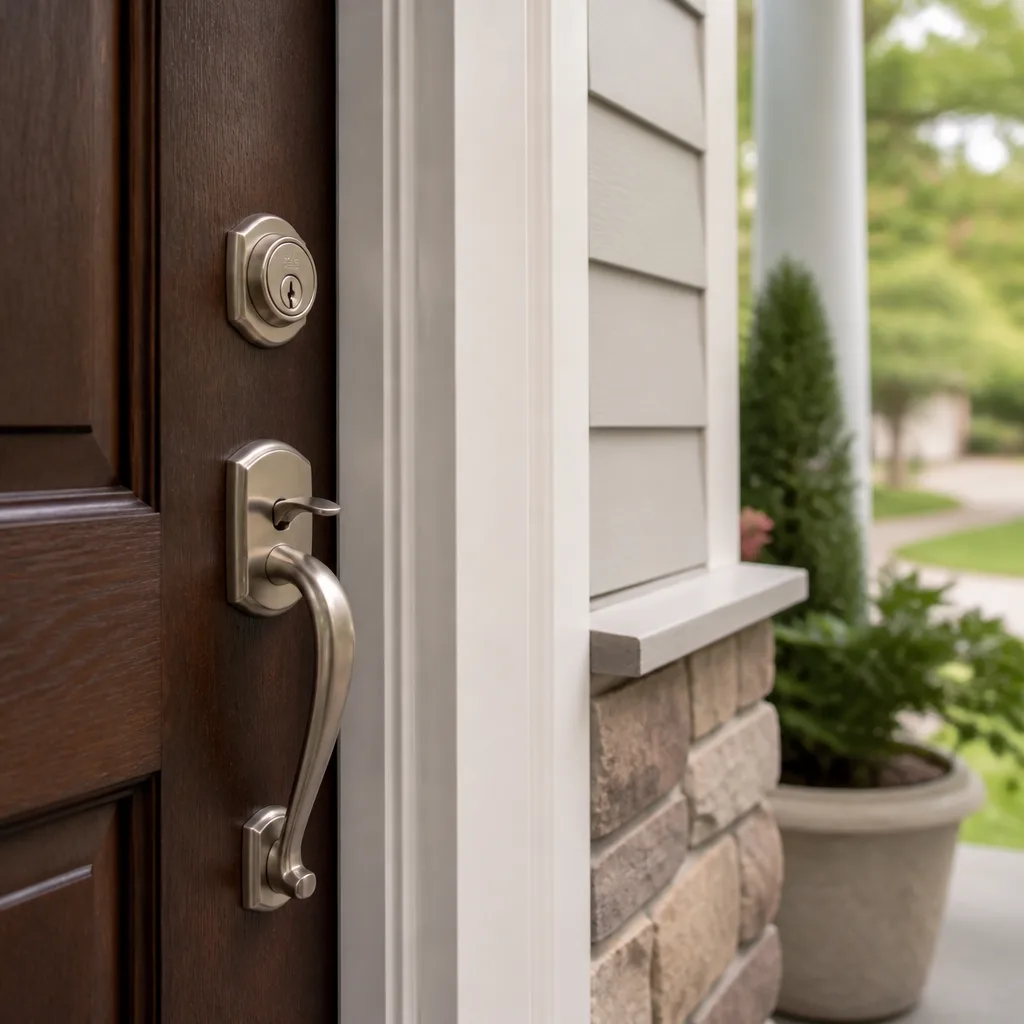 Schlage
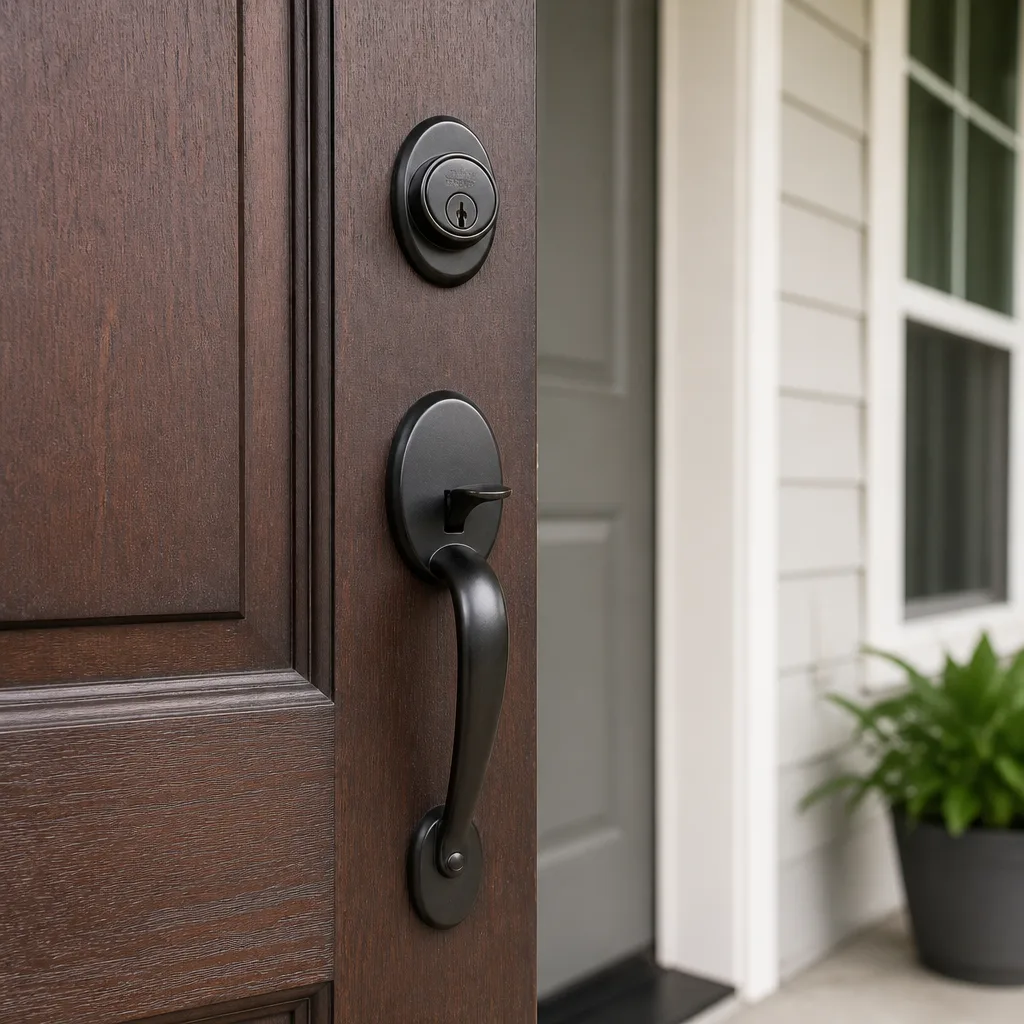 Kwikset
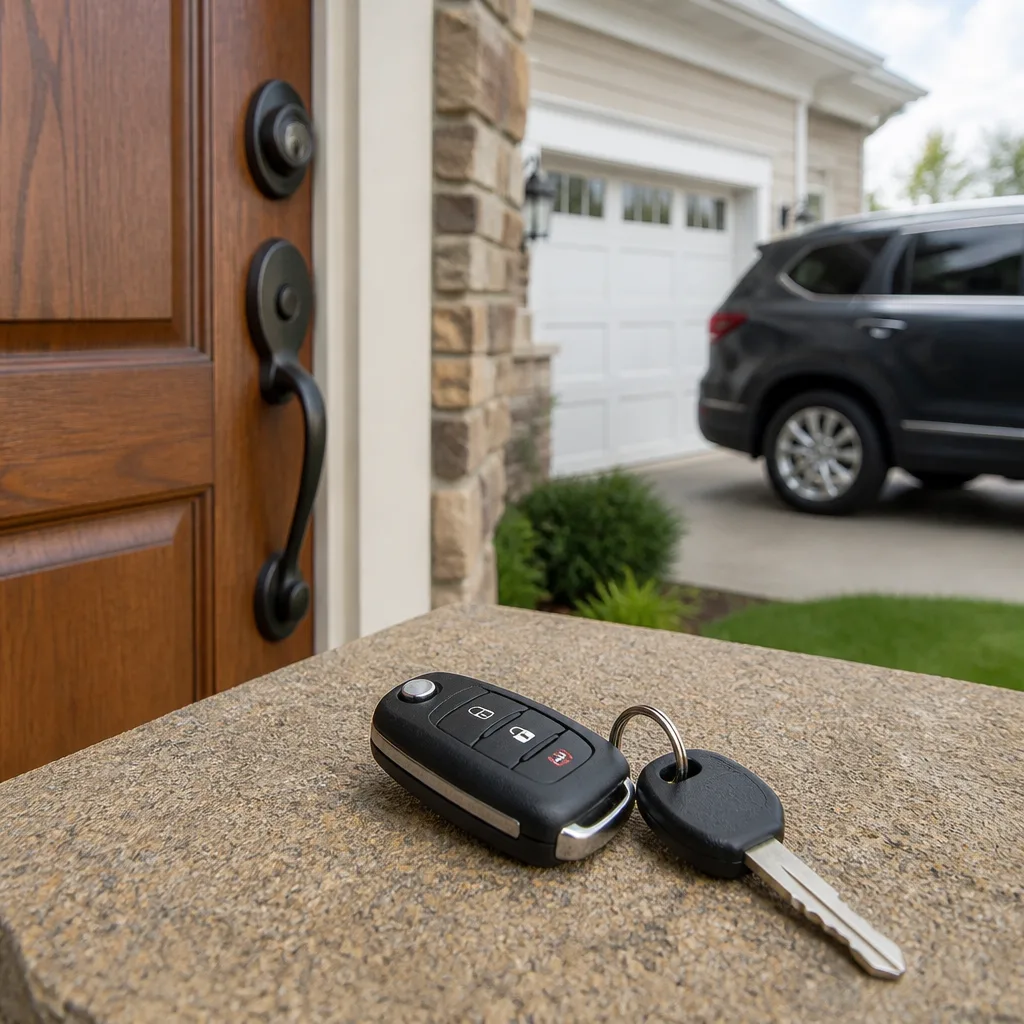 Car keys & fobs
Non-destructive entry first, always - and we re-key Schlage, Kwikset, and Baldwin locks on the spot while you watch
You get a price before we start. It does not change when we arrive. No surprises.
Get your free estimateLocksmith Warning Signs: A Pasadena Homeowner’s Reference Guide
Most lock failures in Pasadena homes don’t start with a break-in or a lockout. They start with a key that turns a little harder than it used to, a deadbolt that needs a jiggle, a strike plate that doesn’t quite line up. These signals are easy to dismiss because they’re small. But a lock is a mechanical system, and mechanical systems announce their decline in stages. What we’ve learned from thousands of service calls across Pasadena is that homeowners who read the early signs save themselves hundreds of dollars and a very bad night. This guide is a diagnostic reference, and you can find more guides & resources on our blog covering what to look for, what it means, and when to act. We’ll cover physical symptoms, door frame issues, tampering evidence, key wear, and a triage system for prioritizing what can wait and what cannot.
Quick Answer
The most common locksmith warning signs in Pasadena homes are a key that binds or wobbles when inserted, a deadbolt that retracts slowly or requires jiggling, a door that has to be lifted or pulled to lock, and visible tool marks around the keyhole or strike plate. Any of these signals means the lock or the door frame around it is failing, and the repair cost now is almost always a fraction of what you’ll pay after a full failure. If the lock is the only way into a bedroom or a back door you rely on daily, treat these signs as a two-week priority, not a someday project.
Styles & brands we work with
Table of Contents
- Key Binding: When “Sticky” Means Something Is Wearing Out
- Key Wobble and Loose Cylinders: What It Tells You About Pin Wear
- Slow Deadbolt Retraction: The Most Overlooked Warning Sign
- Door Frame and Strike Plate Signs Most Homeowners Miss
- Tampering Evidence: What an Attempted Pick or Bump Looks Like
- Worn Key vs. Worn Lock vs. Bad Copy: How to Tell the Difference
- Triage Guide: Monitor, Schedule, or Call Today
- Common Mistakes to Avoid
- When to Call a Professional
- Frequently Asked Questions
Key Binding: When “Sticky” Means Something Is Wearing Out
Every lock has an expected feel. A properly functioning cylinder lets the key slide in smoothly, turn with light even pressure, and come out without resistance. When that changes, the lock is telling you something specific. Binding is the term we use when the key catches, scrapes, or requires extra force at any point in the turn. In Pasadena’s climate, where heat and humidity cycle day to day, binding often starts seasonally and then gets worse year-round, which is why we put together a Seasonal Locksmith Care for Pasadena: Year-Round Homeowner’s Guide.
What causes binding? Three things, usually. First, internal pin wear: the brass pins inside a Schlage or Kwikset cylinder aren’t designed to last forever. They grind down gradually, creating burrs and flat spots that catch on the key. Second, debris accumulation: fine dust, pocket lint, and even dead skin cells work their way into the keyway over years. The key pushes this debris deeper into the cylinder where it packs against the pins. Third, lubrication failures: many homeowners spray WD-40 into a sticky lock, which works for a week and then attracts more dust than before. Graphite powder is the correct lubricant, but it can’t fix a cylinder that’s already mechanically worn.
Here’s the diagnostic sequence we run through on service calls in Pasadena:
- Insert the key slowly. If it catches at the very beginning, the problem is likely the first pin or debris at the keyway entrance.
- Turn the key one full rotation. If it binds at the same point every time, one specific pin stack is worn or the cylinder plug is scored.
- Remove the key. If it drags on the way out, the pins aren’t resetting properly. This is an early sign of spring fatigue.
- Try a spare key. If the spare turns smoothly, the problem is your key, not the lock. If both bind, the lock needs attention.
Binding that appears suddenly, especially on a lock you use every day without issue, is worth treating seriously. It can indicate someone attempted to force the lock or that a pin has broken inside the cylinder. A broken pin leaves fragments that can jam the lock completely at the worst possible moment.
When a key binds on a Medeco or other high-security cylinder, the cause is often a side pin that’s misaligned due to debris. These locks have tighter tolerances than standard residential hardware, so they telegraph wear differently. The fix is usually a professional cleaning and re-lubrication with the correct product, not replacement.
Key Wobble and Loose Cylinders: What It Tells You About Pin Wear
A key that wobbles side to side in the keyway is a separate signal from binding, and it’s one that gets ignored for years. Some wobble is normal on cheap locks. A Kwikset cylinder, for example, is built to a different tolerance than a Medeco. But excessive wobble, especially on a lock that used to feel snug, means the keyway has widened through use or the key itself has thinned from years of duplicated cuts.
The practical concern with wobble is this: a worn keyway means the pins are sitting in a space that’s no longer the exact size they were designed for. This creates what we call “slop” in the shear line. The key still works, but it has to lift the pins higher to compensate for the wear. Eventually, the key lifts them too high or not high enough, and the lock fails. The failure doesn’t announce itself in advance beyond the wobble you’re already feeling.
Loose cylinders are the bigger red flag. If the entire cylinder assembly twists or moves when you insert the key, the set screw or retaining clip that holds the cylinder in place has loosened. On most residential locks, a loose cylinder is a five-minute fix with the right screwdriver. Left unaddressed, the cylinder can rotate out of alignment, seize the lock, or fall out entirely. We’ve removed cylinders from Pasadena doors that were being held in place by nothing but friction and habit.
Here’s what to check if your key wobbles:
- Wobble at the key tip: The key is worn thin. A freshly cut key from a code, not a copy of a copy, often fixes this.
- Wobble at the key bow (the part you hold): The keyway itself has widened. The lock is wearing out.
- Cylinder moves with the key: The retaining hardware is loose. This needs attention now.
- Key wobbles only in one direction: One side of the keyway or key is unevenly worn. Monitor it.
In our experience, Pasadena homeowners with older Baldwin and Yale hardware are most likely to report wobble, because those locks are often original to homes built in the 1970s and 1980s. The locks are good quality, but no lock is immune to forty years of use. If you have a lock of that vintage on a door you use daily, pay attention to how the key feels. The feel is the diagnostic.
Slow Deadbolt Retraction: The Most Overlooked Warning Sign
A deadbolt that retracts slowly, or that needs the key pulled slightly toward you while you turn it, is a lock that’s failing. We call this “drag.” It means the bolt is no longer moving freely within its channel inside the door. The cause is usually alignment, not internal lock wear.
Here’s the mechanism. A deadbolt has two parts: the bolt itself, which slides in and out of the door edge, and the cylinder, which turns to move the bolt. When the door frame settles or the hinges sag, the bolt no longer lines up perfectly with the strike plate hole. Each time you throw the bolt, it scrapes against the edge of the strike opening. Over months and years, that scraping wears a groove in the bolt and deforms the strike plate. The bolt starts catching every time. You compensate by lifting the door or wiggling the key. The lock is telling you the alignment has shifted, and no amount of jiggling fixes the root cause.
The relevance to Pasadena specifically is soil movement. The clay soils under Pasadena foundations expand when wet and contract when dry. This is well-documented in local foundation repair discussions, and it affects door frames directly. A door that fits perfectly in March may bind by July. If you notice your deadbolt gets harder to throw during dry periods, the frame is moving.
Here’s what slow deadbolt retraction typically indicates, ranked by severity:
- Strike plate misalignment: Most common. The bolt scrapes the strike edge. Fix: reposition the strike plate or file the opening wider.
- Hinge sag: The door has dropped a few millimeters. The bolt now sits low in the strike opening. Fix: tighten hinges or replace worn hinge screws with longer ones that reach the framing.
- Internal bolt wear: The bolt mechanism inside the lock body is grinding against itself. Less common on quality hardware, but it happens. Fix: replace the lock.
- Frame settlement: The entire door frame has shifted. This is a structural issue, not a lock issue. Fix: address the frame, then the lock.
Most homeowners feel the drag and compensate. They lift the handle, push the door with a hip, or turn the key a little harder. Every one of those compensations masks the real issue and lets it get worse. A deadbolt that needs help to throw is a deadbolt that will eventually need help that isn’t available, usually at night or when you’re already running late.
Door Frame and Strike Plate Signs Most Homeowners Miss
The lock is only half the system. The door frame, hinges, and strike plate are the other half, and they fail in ways that are less obvious than a sticking key but more likely to result in a forced-entry vulnerability. In Pasadena, where many homes have wooden door frames exposed to years of heat and humidity swings, frame-related issues are among the most common problems we see.
The strike plate is the metal plate mounted on the door frame that receives the deadbolt and latch. Its job is to spread the force of the bolt across the wood. When the strike plate is loose, the wood behind it takes the force directly. Wood splinters. The screws pull out. The door becomes kickable.
Here’s what to look for:
- Visible gap between the door edge and the frame when closed: If you can see daylight or a gap wider than about 3/16 inch, the door isn’t seating properly. The bolt may be only partially entering the strike opening.
- Strike plate screws that won’t stay tight: The screw holes in the wood frame are stripped. This is the earliest warning sign of a kick-in vulnerability. The fix is longer screws that reach the door framing behind the jamb, which is a standard security upgrade.
- Paint cracking around the strike plate or hinges: The wood is flexing under load. Flexing wood means the frame is absorbing stress it wasn’t designed to absorb.
- Splintering around the strike opening: The wood is already failing. This requires repair, not just tightening.
- A door that has to be pushed or pulled to latch: The latch bolt isn’t aligning with the strike plate hole. The cause is usually sag, and the fix is usually hinge adjustment.
One of the most direct security upgrades we perform on Pasadena homes is replacing the short 3/4-inch screws that come standard on strike plates with 3-inch screws that anchor into the structural framing. It’s a fifteen-minute change, the materials cost a few dollars, and it transforms a door’s resistance to forced entry. Most homeowners have never heard of this. The warning sign is a strike plate that wiggles even slightly when the door is closed and you press on it.
Hinge screws deserve equal attention. If your door has three hinges and the top hinge screws are loose, the door hangs from the bottom two. That’s the sag that causes the deadbolt drag we covered in the previous section. Before you touch the lock, check the hinges. Sometimes the entire “lock problem” is a five-minute hinge tightening.
Tampering Evidence: What an Attempted Pick or Bump Looks Like
Pasadena homeowners should know what tampering looks like. Not because the city is uniquely dangerous, but because the evidence is subtle and most people don’t see it until a locksmith points it out. If someone attempted to pick or bump your lock and failed, the marks they leave are the only warning you’ll get before they try again with more determination.
Pick attempts leave specific tool marks. A tension wrench applies rotational pressure to the cylinder plug, which can leave small scratches around the keyhole rim. A pick itself scratches the inside of the keyway, which you can’t see without a scope, but the damage shows up as new binding in a lock that used to turn smoothly. If your lock suddenly feels rough and you haven’t changed keys, consider the possibility that someone tried it and failed.
Bumping attempts are harder to detect because the method doesn’t leave as many visible marks. A bump key is ground down to the lowest pin positions and struck with a hammer while under light tension. The impact is distributed. What you may notice is slight damage around the keyway entrance or a cylinder that feels looser than before. The internal shock can also weaken pin springs, which shows up as a key that doesn’t reset with the usual crisp click.
Here’s what to look for on the exterior side of your locks:
- Small scratches or gouges around the keyhole rim: Tension wrench work.
- A keyway that suddenly feels rough or gritty: Pick damage inside the cylinder.
- The cylinder face moves slightly when you insert the key: The retaining clip may have been stressed.
- Fresh tool marks on the strike plate or door edge: Someone tried to slip the latch with a credit card or pry tool. This is more common on older spring-latch doors.
- A key that no longer inserts smoothly into a lock you haven’t touched in weeks: The keyway may have been probed.
If you see these signs, swap the lock’s position or replace the cylinder. A lock that’s been tampered with successfully once is easier to defeat the second time, because the internal damage compounds. On high-traffic doors in Pasadena homes with alley access or private rear entries, we recommend upgrading to a Schlage or Medeco cylinder with bump-resistant pinning. The cost difference is modest compared to the exposure of an unforced entry.
This is also the moment to mention that the Knight Locksmiths home team has seen every tampering technique in circulation, from amateur picks to more deliberate attempts. The evidence reads clearly once you know what you’re looking for.
Worn Key vs. Worn Lock vs. Bad Copy: How to Tell the Difference
Most “lock problems” in Pasadena turn out to be key problems. The key is the wearable component. It’s made of brass or nickel silver, it lives in your pocket, it rubs against other keys, and it gets inserted into a metal cylinder thousands of times. Keys wear faster than locks. The diagnostic question is: is the key worn, is the lock worn, or was the key cut badly to begin with?
A worn key is easy to identify visually. The cuts, those flat notches along the blade, lose their sharp edges. They look rounded and polished. The tip of the key may appear shorter than it once was. Functionally, a worn key stops lifting pins to the correct height, which causes intermittent operation: the key works if you pull it out a fraction of a millimeter, but not fully inserted. That’s the classic worn-key symptom, and it’s solved by cutting a new key from code, not by copying the old one.
A worn lock is different. If a fresh key from a code still binds or turns roughly, the pins inside the cylinder have worn past the point where a new key helps. Pin wear shows up as inconsistent operation across multiple keys. If three different keys all feel bad in the same lock, the lock is the problem.
A bad copy is the most common issue in our experience, and it’s the hardest for homeowners to identify because the key looks fine. The problem is generational copying. Every time a key is duplicated from a copy, the cuts drift slightly. Small errors compound. The fifth-generation copy of a copy may be off by enough to cause exactly the same symptoms as a worn lock. Hardware store duplicating machines, especially ones with worn cutting wheels, produce keys that are dimensionally accurate but slightly scaled. The key works, but it requires more fuss. If a key works in the morning but not the evening, or works for you but not for your spouse, it’s probably a bad cut.
Here’s the diagnostic sequence:
- Compare the suspect key to your best key. If they’re supposed to be identical and they look different at the tip, one of them has drifted.
- Feel the suspect key’s edges. Worn keys feel smooth on the cuts. Bad copies feel sharp but slightly off.
- Try the suspect key in multiple locks it should open. If it fails in all of them, the key is the problem.
- Try a different key in the lock. If every key struggles, the lock is the problem.
Kwikset locks are more forgiving of key wear because their pinning tolerances are looser. Schlage cylinders are slightly tighter. Medeco and other high-security systems are unforgiving, which is by design: a restricted keyway won’t accept a key that’s a few thousandths of an inch off. If you have a Medeco key that’s starting to act up, get it replaced before it leaves you stranded, because the replacement process for restricted keys takes longer than a standard key cut at a hardware store. For other key issues, see our Car Key Replacement Troubleshooting: Common Problems and How to Fix Them.
Triage Guide: Monitor, Schedule, or Call Today
Not every warning sign demands immediate action. Some conditions can be monitored for months. Others require attention this week. A small number justify an emergency call. Here’s a practical triage system, developed from doing residential work across Pasadena, that organizes the most common symptoms by urgency.
Category 1: Monitor (no immediate action needed)
- Key feels slightly different but works reliably. Lubricate with graphite powder and continue using it. Pay attention to whether the feel gets worse.
- Wobble that hasn’t changed in months. A worn key on a low-security lock isn’t urgent if the lock works. Plan to replace the key at your convenience.
- Strike plate with minor finish wear but no movement. Cosmetic only.
- Door requires a light push to latch but locking is unaffected. This can wait, but the hinge issue behind it won’t fix itself.
Category 2: Schedule This Week
- Key binding that’s getting progressively worse. The internal wear is accelerating. Every additional insertion makes it worse. Replace or rebuild now.
- Deadbolt drag that requires jiggling or lifting the door. The alignment issue is actively wearing both the bolt and the strike plate.
- Strike plate screws that are loose or falling out. This is a security vulnerability. Longer screws cost a few dollars and take fifteen minutes.
- Visible tampering marks. Someone has already tried. Don’t wait for them to try again.
- Key that works only intermittently. The failure is already happening. It’s a matter of when, not if.
Category 3: Call Today
- A lock that has stopped working entirely. You can’t get in, you can’t get out, or you’re unable to secure the door. This is an emergency.
- A broken key stuck in the lock. If the key snapped off inside the cylinder, the broken piece is blocking the pins. Don’t keep poking at it.
- A lock that turns but doesn’t throw the bolt. The internal linkage is broken. The door may look locked but isn’t.
- Evidence of a successful forced entry attempt. If the strike plate is splintered or the door jamb is cracked, the door can be opened with a shoulder bump.
The logic of triage is about cost. The sticky key fixed today is a cylinder rebuild or replacement that costs under $200. The same lock a month from now is a lockout call, a broken-key extraction, and a replacement, all of which costs more and happens on someone else’s schedule. Pasadena homeowners who track their lock health the way they track their car’s oil changes are the ones who never have the 11 p.m. emergency.
What a Professional Diagnostic Actually Involves
When you call for a lock evaluation, the professional should inspect more than the lock. The sequence looks like this:
- Key examination under magnification. Worn keys are visible.
- Cylinder operation test. The lock is tested with a known-good key of the same cut.
- Bolt and latch function test. Smoothness of throw and retraction with the door open.
- Door alignment check. Gap measurement, hinge inspection, strike plate alignment.
- Security hardware assessment. Strike plate screw length, hinge screw security, bolt length.
The result should be a clear explanation of what’s failing, what can be repaired versus replaced, and what the costs look like before any work begins. If you’re not getting that from a locksmith, they’re not doing a diagnostic, they’re doing a sales pitch. For rekey locks in Pasadena that have warning signs, the professional should also tell you whether rekeying is sufficient or whether the cylinder itself needs replacing. Rekeying addresses key access, not mechanical wear. A worn cylinder that gets rekeyed is still a worn cylinder.
Common Mistakes to Avoid
- Ignoring a sticky key because it “still works.” A lock that works with effort is a lock that’s already failing. The effort is the signal. Every insertion grinds the pins further. The fix is cheapest before the lock fails completely.
- Lubricating a mechanical problem. Graphite powder or Teflon lubricant fixes friction. It does not fix worn pins, broken springs, sloppy keyways, or misaligned strike plates. Lubrication masks the symptom without addressing the cause. In Pasadena’s dry heat, the wrong lubricant (WD-40, household oil) turns to gummy residue that attracts grit and makes the problem worse.
- Making a copy of a worn key. A copy of a worn key reproduces the wear. The new key is born defective. The correct fix is to cut from code, which requires a locksmith with the key-cutting equipment to originate a clean cut, not a hardware store duplicator.
- Replacing hardware without checking the frame. A new lock on a sagging door is a new lock that will fail the same way. The door frame and hinges are part of the lock system. Pasadena soil movement makes frame and hinge checks especially relevant here.
- Waiting until the lock fails to address a security weakness. Loose strike plates, short screws, and worn cylinders are all visible before something bad happens. The purpose of being able to see these signs is that you can fix them on your schedule, not on an emergency schedule.
- Assuming a brand-new home has brand-new lock security. Many Pasadena homes have decent hardware from the builder, but builder-grade strike plates and hinge screws are minimal. The house is new, the security is standard-issue, and standard-issue is a three-quarter-inch screw into a soft pine jamb.
- Using force on a key that won’t turn. Keys are brass for a reason: they’re the designed weak point. If a key won’t turn and you muscle it, the key breaks, not the lock. Now you have a broken key in the lock and two problems instead of one. If the key doesn’t turn with medium pressure, stop.
When to Call a Professional
Some lock issues are genuinely safe to monitor. A cosmetic scratch on a faceplate is not a service call. But any functional symptom that affects your ability to lock or unlock, or any security weakness that affects your door’s resistance to forced entry, deserves a professional’s eyes. The specific triggers: binding keys that don’t improve after proper lubrication, deadbolts that drag or need door-lifting to throw, loose strike plates or hinges, visible tampering evidence, worn keys that need cutting from code, and any lock that no longer functions at all. If you have a high-security system like Medeco, Mul-T-Lock, or Abloy, don’t attempt any repair yourself: those cylinders have internal components that can be damaged by improvised fixes. Knight Locksmiths offers free estimates in Pasadena. Call (833) 589-8049 to schedule a diagnostic or discuss what you’re seeing. For time-critical situations, our emergency locksmith in Pasadena service is built around getting there when the problem can’t wait.
Frequently Asked Questions
Try a different key that was cut at the same time and has seen similar use. If the spare key works smoothly and the suspect key doesn’t, the key is worn. If every key struggles in the same lock, the lock’s internal pins are worn. A fresh key cut from code, not a copy, is the definitive test. If it still binds, the lock needs service.
It means the door has sagged on its hinges or the frame has shifted, and the bolt no longer aligns with the strike plate opening. The force you’re applying is compensating for misalignment. The fix is usually hinge adjustment or strike plate repositioning, not a new lock. Left unaddressed, the misalignment damages both the deadbolt and the strike plate.
It’s both, but the annoyance is the early warning that the security risk is developing. A cylinder with worn pins or a damaged keyway is easier to force than a healthy one, and a lock that feels unreliable may also be one you stop using consistently, which creates its own exposure. The stickiness itself is not the breach; it’s the signal that the mechanism is degrading.
Yes. Pick attempts leave characteristic scratches inside the keyway and around the keyhole rim. Bumping can loosen the cylinder cap and leave impact marks. A trained locksmith can distinguish these from normal wear. If you’re in Pasadena and suspect an attempt, the lock should be inspected, and an upgrade to a bump-resistant cylinder may be justified.
There’s no set schedule for residential locks the way there is for, say, a car. A practical guideline for Pasadena homeowners is to do a basic check whenever you change your smoke detector batteries, twice a year. Test every door key, feel for smoothness, check strike plates for tightness, and inspect hinge screws. Most problems caught during these checkups are modest fixes.
No. Rekeying changes the key that operates the lock; it doesn’t address mechanical wear. If the pins are worn, the keyway is scored, or the cylinder plug is loose, the lock will still be sticky after a rekey. In some cases, a rekey is the right service because the lock is mechanically fine and you just need new key control. If the lock has mechanical symptoms, those need to be addressed separately. For car key replacement in Pasadena, the same principle applies to vehicle locks: key replacement solves key problems, not lock problems.
The Bottom Line
Lock warning signs are mechanical communication. A sticky key, a dragging deadbolt, a wobbly cylinder, a loose strike plate: each one is the lock telling you what’s wrong before it becomes an emergency. The homeowners who listen save money and skip the 11 p.m. crisis. The ones who don’t pay for the same repair plus a lockout call plus the inconvenience of standing outside their own front door. In Pasadena, with our seasonal soil movement and decades-old housing stock, these warning signs are common enough that every homeowner should know how to read them. The fix at the sticky stage is almost always cheaper than the fix at the failed stage. Pay attention, act early, and when you’re not sure what you’re looking at, call a professional who will tell you the truth rather than sell you a replacement you don’t need.
Written by the team at Knight Locksmiths, serving Pasadena since 2011.