Last updated October 30, 2026
 Smart locks
 House lockouts
 Re-keying
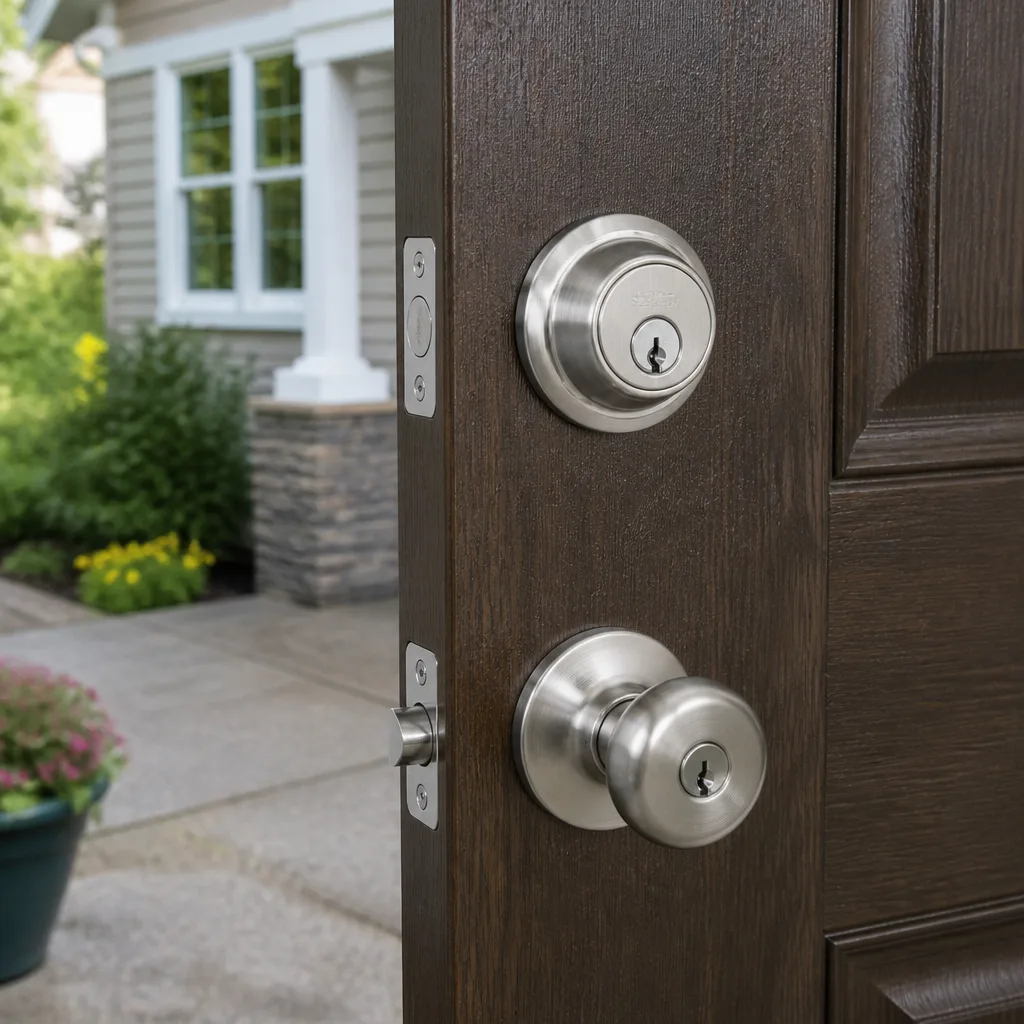 Deadbolt upgrades
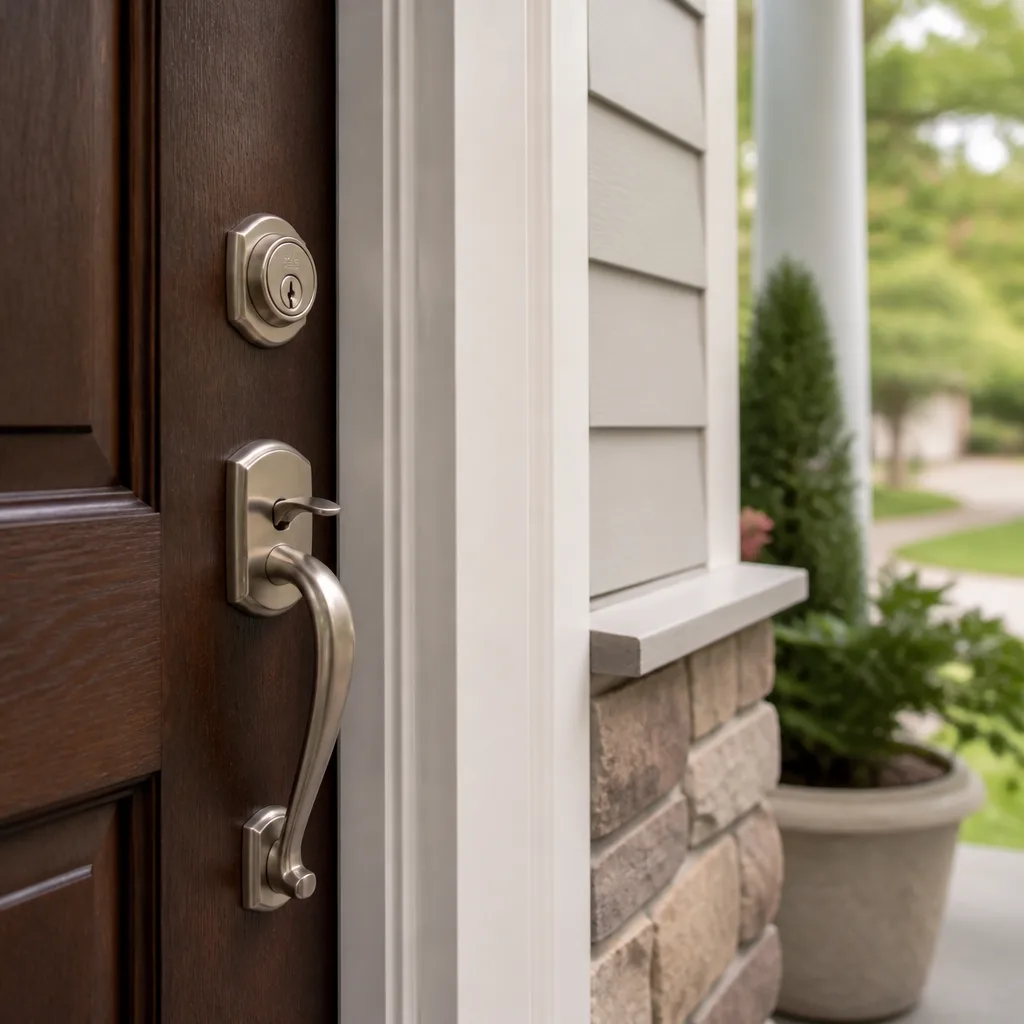 Schlage
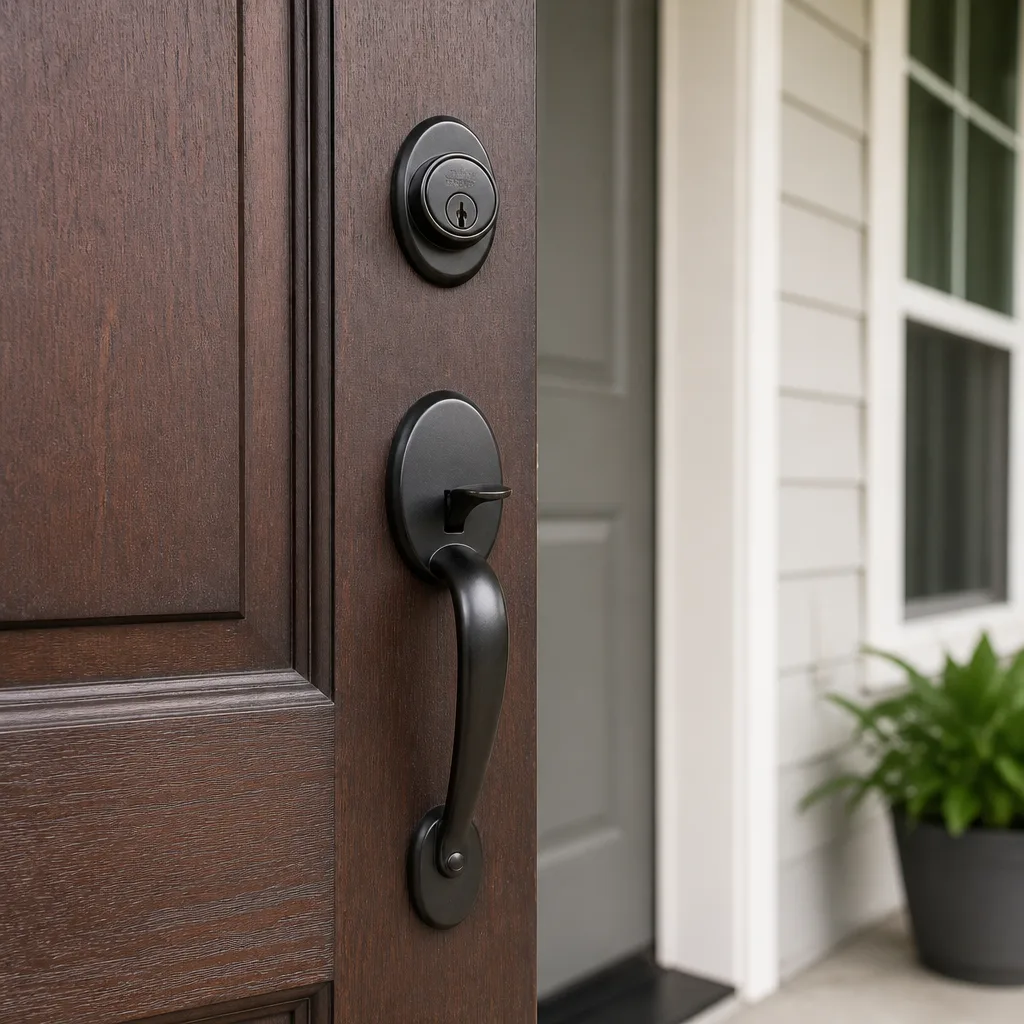 Kwikset
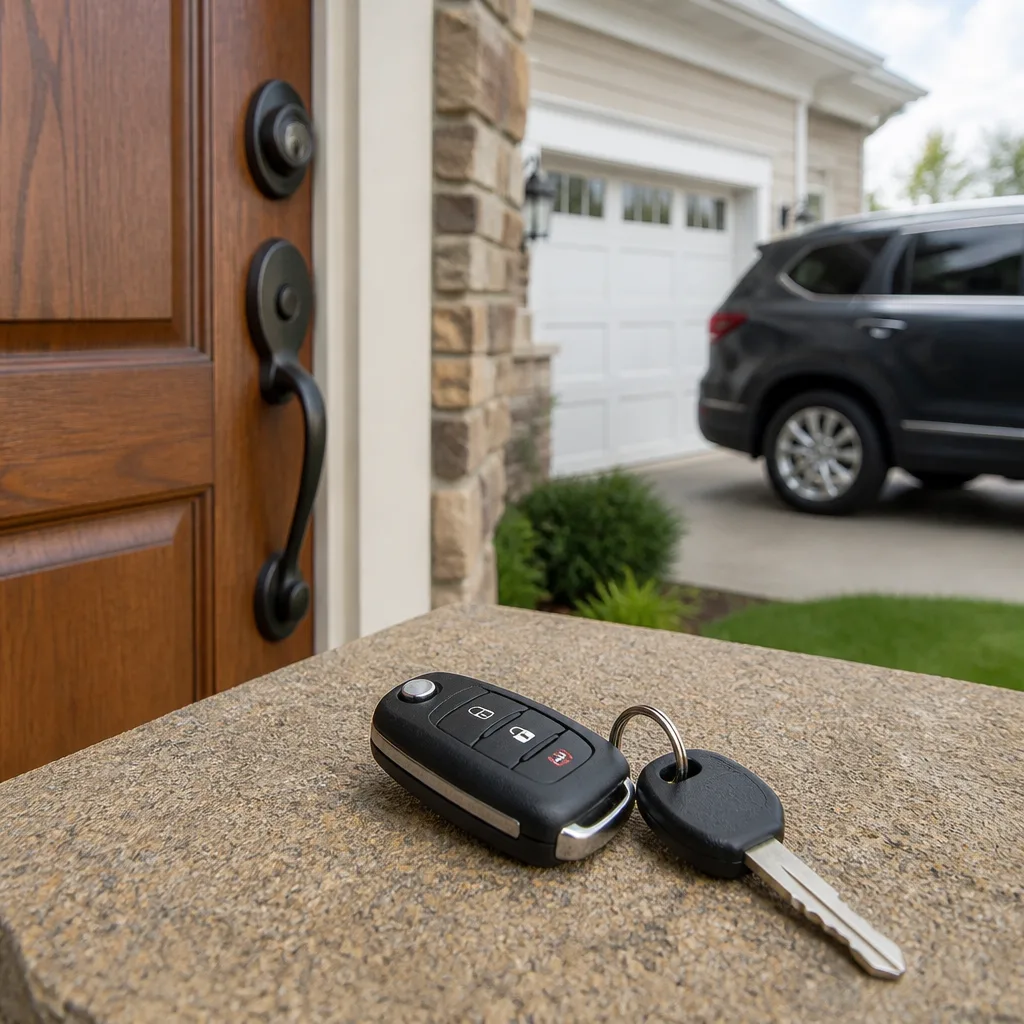 Car keys & fobs
Non-destructive entry first, always - and we re-key Schlage, Kwikset, and Baldwin locks on the spot while you watch
You get a price before we start. It does not change when we arrive. No surprises.
Get your free estimateLocksmith Emergency Preparedness Guide for Pasadena Homes
Most people find their locksmith the same way they find a plumber at midnight: they search in a panic and click the first result. In Pasadena, that first result is statistically more likely to be a call-center aggregator than a local locksmith with a physical shop and a real reputation. The call center dispatches whoever bids lowest for the job, and you don’t know who is showing up at your door until the van pulls in. Spending ten minutes now prevents that. This guide is a practical protocol for Pasadena households: what to record before an emergency, where to keep spare keys without creating a security hole, how to think about response times in this specific market, and what to do in the 20 minutes before a locksmith arrives. For seasonal locksmith care for Pasadena, see our year-round homeowner’s guide.
Styles & brands we work with
Quick Answer
Emergency locksmith preparedness for Pasadena homes comes down to three things done before you ever need help: storing a verified local locksmith’s direct number in your phone (not relying on a midnight Google search), maintaining a spare key protocol that balances access against break-in risk, and knowing the sequence of security steps to take after a lockout or break-in. A Pasadena household that spends ten minutes setting this up will skip the panic search, avoid dispatcher markups, and restore security faster than 90% of their neighbors.
Table of Contents
- Building Your Household’s Locksmith Emergency Card
- The Spare Key Protocol for Pasadena Homes
- Pasadena Response Time Realities by Neighborhood
- The 20 Minutes Before the Locksmith Arrives
- Post-Emergency Checklist: Restoring Security in the Right Order
- Upgrading Your Pasadena Home Security After an Incident
- Common Mistakes to Avoid
- When to Call a Professional
- Frequently Asked Questions
- The Bottom Line
Building Your Household’s Locksmith Emergency Card
Before you need a locksmith, you should know exactly who you’ll call. Not a search query. Not “locksmith near me” typed into a browser at 2am with a dying phone. A specific name, a direct number, and ideally a license number you’ve already verified. For help spotting red flags, read our Locksmith Warning Signs: A Pasadena Homeowner’s Reference Guide.
The reason this matters in Pasadena specifically is that the locksmith marketplace here is crowded with lead-generation services that buy Google Ads space for “emergency locksmith Pasadena TX.” When you call those numbers, you’re often reaching a dispatcher in another state who sells your job to an independent contractor. The price you were quoted on the phone may or may not survive contact with the technician. Your household emergency card is the single most effective defense against that scenario.
Here’s what to record, ideally in a shared note on your phone and a physical card somewhere in the house:
- The name of a verified local locksmith company. In Pasadena, Knight Locksmiths home is one option. The point is that you’ve chosen deliberately, not under duress.
- A direct phone number. Not a Google search result. A number you can tap and dial. Knight Locksmiths can be reached at (833) 589-8049.
- The company’s license status. Texas requires locksmiths to be licensed through the Department of Public Safety Private Security Bureau. Write down the license holder name on your card. If an emergency happens, you’ll already know it checks out.
- What the company actually does. Does it handle residential lockouts only, or also car key replacement and rekeying? You don’t want to discover at 3am that your chosen locksmith doesn’t handle automotive work when you’re stranded in a parking lot off Spencer Highway.
- A backup option. One primary locksmith, one secondary. Emergencies happen to locksmiths too, and having a fallback number prevents you from defaulting to a random search in a moment of stress.
In our experience, most Pasadena households build this card after their first lockout. The smarter move is to build it now, while you’re calm, so the decision is already made when you’re not.
The Spare Key Protocol for Pasadena Homes
A spare key only works as an emergency tool if it exists somewhere you can actually reach it. The problem most Pasadena homes face is choosing between accessibility and security. The fake rock in the flower bed is not a secret. Neither is the key under the doormat or above the door frame. Every burglar in Harris County knows those spots.
Here’s a tiered protocol that balances access against risk, specific to the realities of Pasadena’s housing stock and climate:
Option 1: The Trusted Neighbor Spare
Give a key to a neighbor you genuinely trust. This works well in Pasadena’s older, settled neighborhoods where people have lived next door to each other for a decade. The key isn’t hidden on your property, which eliminates the most common security vulnerability. The downside is that your neighbor has to be home when you need the key, which fails in the exact scenario where you’re locked out at midnight.
Option 2: The Non-Obvious On-Property Hide
If you must keep a spare on your property, put it somewhere that isn’t within sight of the door it opens. In Pasadena’s humid, storm-prone climate, you also need weatherproofing: a magnetic key holder attached to an AC condenser unit in the side yard, or a small waterproof container secured inside a fence post cap. The key point is that the hiding spot should take you at least 60 seconds to reach and should not be visible from the street or the front porch.
Option 3: The Coded Lockbox
A small combination lockbox mounted on a gate or a water pipe, holding one or two house keys. This is the most practical option for Pasadena households with regular housekeepers, pet sitters, or contractors. The code can be changed after each use. Lockboxes are visible, so someone must see you open it to exploit it, and they’re far more secure than the ubiquitous fake rock.
What Not to Do
- Don’t hide a key under a doormat, above a door frame, or inside a potted plant by the front door. These are the first three places anyone looks.
- Don’t keep a key in your car at night. A car in Pasadena is not a locked safe. A thief who breaks into a vehicle parked in the driveway has already shown they’re willing to break glass; a house key in the glovebox turns a vehicle burglary into a home burglary.
- Don’t give keys to casual acquaintances. Every key you distribute is a security liability. Your household should know exactly who holds a key at any given time.
Pasadena Response Time Realities by Neighborhood
When you’re locked out, every minute feels like an hour. But response times in Pasadena are not uniform, and knowing what to expect helps you plan.
Pasadena sprawls. It runs from the refineries and industrial corridor along Highway 225 on the north side, through the older central neighborhoods, and down to the newer subdivisions toward the south. A locksmith’s travel time depends on where they are when your call comes in, and where you are.
In general terms:
- Central Pasadena (around the city hall area, Pasadena Boulevard, and the historic core): shorter response windows, because multiple locksmith routes converge here and the street grid is dense.
- North Pasadena (Spencer Highway, Southmore, and the areas adjacent to the rail and industrial zones): moderate response times. Street access is good, but traffic can be heavy during shift changes at the plants.
- South Pasadena and the area near Ellington: longer response windows in some cases, simply because the neighborhoods are more spread out and stoplights are farther apart. If you live south of Bay Area Boulevard, factor in additional drive time.
- Areas near major traffic arteries during peak hours: the Beltway 8 interchange and Fairmont Parkway have congestion patterns that can affect anyone trying to reach you quickly. A 3pm lockout on a weekday will likely see faster response than a 5:30pm one.
The practical takeaway: know your neighborhood and mention it when you call. A locksmith dispatching to Pasadena from a central location can give you a more accurate ETA if you say “I’m in the neighborhood west of Strawberry Park” rather than just “I’m in Pasadena.”
And plan for the wait. If you’re locked out on a summer afternoon, the Pasadena heat is a real factor. Waiting by the front door without shade or water is a problem. If you can wait in a neighbor’s house or across the street in an air-conditioned business, do it. Being hydrated and calm helps you make better security decisions when the locksmith arrives.
The 20 Minutes Before the Locksmith Arrives
You’ve called. The dispatcher confirmed your address and quoted a price. A technician is en route. What you do in the next 20 minutes matters more than most people realize. The goal is safety, documentation, and avoiding actions that make the situation worse.
Here’s the sequence, in order:
- Verify who you called. If you called a number from your emergency card, you already know. If you searched online in a panic, look at the website and confirm the company has a Pasadena or Houston-area presence. A real local locksmith will have a physical presence and be able to confirm the address you gave.
- Confirm the price again. This is the single biggest anxiety point for Pasadena residents calling a locksmith. Ask the dispatcher to repeat the total expected price, including any service call fee and any after-hours charge. Knight Locksmiths quotes the full price on the phone before dispatch, and that price is the invoice price, no added call-out surcharge when the technician arrives. If the company you called won’t confirm a firm quote, that’s a red flag.
- Stay put and stay safe. If you’re locked out at night, wait somewhere with light and visibility. If you’re in a vehicle, stay inside with the doors locked, windows up, and hazards on. Do not accept help from a stranger who happens to be walking by. A genuine locksmith arrives in a marked vehicle, with branded clothing or tools, and most importantly, they call you when they’re arriving.
- Do not attempt to force the lock yourself. With high-tension tools or improvisation, a homeowner can permanently damage a deadbolt, bend a door frame, or break a window. The repair cost from a DIY attempt gone wrong often doubles the locksmith bill. If you’ve already tried, tell the technician honestly, so they can inspect for damage.
- Have identification ready. A legitimate locksmith will ask you to prove you belong at the property. This is called proof of occupancy. The technician may ask for an ID, a lease, or a piece of mail. This is a security feature, not an inconvenience. Have your driver’s license and, if possible, a utility bill or lease document ready.
The verification step creates a moment of inconvenience, but it’s the step that separates a professional from a scam operator. A real locksmith wants to verify you’re trying to get into your own home. A scammer just wants the job paid.
Post-Emergency Checklist: Restoring Security in the Right Order
After a lockout or a break-in, the security response has a specific sequence. Skipping a step or doing them out of order leaves vulnerabilities that linger for weeks.
Here’s the post-emergency checklist for a Pasadena household, in the order it should be executed:
Step 1: Immediate Re-Entry and Damage Assessment
If you were locked out, the locksmith gets you in and you inventory what happened during the lockout window. If there was a break-in, you’re in a different mode: do not touch anything until the police have taken a report, if you’re filing one. Then assess the point of entry. Was a door kicked in, a window pried, a lock picked?
Step 2: Board-Up or Temporary Securing
If a door or window was damaged in a break-in, it’s not secure. A locksmith can temporarily secure the entry while you arrange permanent repairs. This is a Pasadena-specific urgency issue: if you’re in a neighborhood with regular foot traffic, an unsecured entry is an invitation for a second incident. Some households near the high school zones and park areas report follow-up attempts when a first break-in isn’t remediated quickly.
Step 3: Rekey Every Exterior Lock
This is the step most people skip, and it’s the most important. If someone gained entry to your home and you believe they may have taken a key or had access to one, every exterior lock must be rekeyed. Rekey Locks in Pasadena is a standalone service that changes the internal pins so old keys no longer work, without replacing the hardware. In many cases, rekeying is smarter than replacing: it costs less, it takes less time, and your existing Schlage or Baldwin hardware may be perfectly good.
Step 4: Assess Whether Hardware Upgrades Are Warranted
If the break-in happened because the lock was old, worn, or easily defeated, replacement isn’t optional. A locksmith who works across the full brand spectrum can tell you whether your existing Kwikset can be rekeyed or whether you should move to something more resistant. For Pasadena households that want active protection against bumping, picking, or forced entry, high-security cylinders from Medeco, Mul-T-Lock, or Abloy are a step change in resistance, but they’re not necessary for every door.
Step 5: Document and Re-issue Keys
After rekeying, inventory who has a key to your home. This is the moment to tighten your spare key protocol. How many keys did the locksmith cut? Who gets one? Update your household’s emergency card with any new information, including the rekey date and lock brand on each door.
Upgrading Your Pasadena Home Security After an Incident
An emergency is a forcing function. It’s the moment when a household is most motivated to fix long-standing security gaps. But the upgrade order matters, and you can waste money if you go in the wrong sequence.
Here’s the recommended order for a Pasadena home converting an emergency into an upgrade:
- Replace or rekey all exterior locks to a single key. If your doors currently operate on multiple different keys, consolidating to one key for all deadbolts and knobs is an immediate quality-of-life improvement. This is a standard rekey job, and it’s the fastest way to feel secure and organized.
- Upgrade the lock on the most vulnerable door first. That’s usually the door that was compromised, or the door that faces an alley, a dark side yard, or a street with easy pedestrian access. A Schlage or Kwikset in good condition is adequate for most doors, but if you want genuine break-in resistance, a Medeco or Mul-T-Lock cylinder changes the equation for anyone attempting to pick or bump the lock.
- Evaluate the door itself, not just the lock. The best deadbolt in the world is weakened by a hollow-core door, a short throw, or a strike plate screwed into trim only. A locksmith can assess the door and frame as a system.
- Consider restricted key systems if you have high turnover. For Pasadena landlords, short-term rental owners, or anyone who has given keys to contractors, cleaners, or caregivers, a restricted key system from Medeco, Abloy, or Mul-T-Lock means keys can’t be copied at a hardware store. Every duplicate is authorized and tracked. This is the upgrade most people don’t know they need until after a bad experience.
The lock expertise at Emergency Locksmith in Pasadena covers the full spectrum, from a standard Kwikset rekey after a move to a Medeco or Abloy high-security installation. That range matters because most Pasadena homes don’t need high-security hardware on every door. They need the right hardware on the right door, and a technician who can explain the difference honestly.
Common Mistakes to Avoid
- Searching for a locksmith under stress. The midnight Google search is the single worst way to find a locksmith. You’re making a security decision while tired, cold or hot, and under time pressure. Build your emergency card now, and this mistake disappears.
- Accepting a suspiciously low quote and then a surprise upsell. If a price seems too low given what you know it should cost, it probably is. The bait-pricing locksmith pattern works like this: a low quote on the phone, a technician who arrives and “discovers” a complication, and a final invoice three times the original number. Ask for the full-price confirmation before dispatch, and confirm no added surcharge on arrival.
- Leaving the spare key in the same predictable spot. The fake rock, the under-the-mat, the over-the-door-frame. These are not security measures. They’re gifts. Every Pasadena neighborhood has been canvassed by people who check these spots.
- Forgetting to rekey after a key is lost or a relationship ends. A lost key in a Pasadena suburb isn’t just a missing item; it’s an open access point. Rekeying costs far less than a theft and takes less than an hour.
- Attempting a DIY lock fix on a modern lock. Modern locks, especially high-security cylinders from brands like Mul-T-Lock or Sargent, have precision tolerances. A YouTube video will not teach you to service one, and a partial disassembly can leave your door unable to lock at all. This is a false economy.
- Skipping proof of ID verification. If a technician offers to open your door without verifying who you say you are, that’s not convenience. That’s a security failure. A real locksmith will check.
When to Call a Professional
Some lock work is genuinely DIY-appropriate. Lubricating a sticky deadbolt, tightening loose screws on a strike plate, or replacing a visible door knob with an identical model are fine. Beyond that, the line moves quickly.
Call a professional for: any lockout situation (attempting to force entry causes damage), any rekey after a key is lost or a relationship changes, any upgrade to high-security hardware, any commercial or multi-family building, any automotive key problem beyond a simple physical key copy, and any situation where you’re not certain the lock is functioning correctly. A lock that sticks, grinds, or requires force to turn is a lock that will fail. The question is only when.
Knight Locksmiths offers free estimates in Pasadena. Call (833) 589-8049 and describe your situation. You’ll get a straight answer about what needs to happen and what it costs before anyone is dispatched.
Frequently Asked Questions
Check that they’re licensed through the Texas Department of Public Safety Private Security Bureau (see Locksmith Permits, Codes & Inspections in TX: What You Need to Know), confirm the company name you called matches the name on the technician’s vehicle and documentation, and verify they do not require cash only. A legitimate local company will be willing to confirm their physical address and license status before they dispatch.
Stay in a safe location with your hazard lights on, do not accept help from strangers, and call a locksmith that handles automotive work. Car Key Replacement in Pasadena covers lockouts and key loss, and many vehicles can be re-keyed or have keys programmed on-site without a dealership visit.
At Knight Locksmiths, yes. The price quoted on the phone before dispatch is the price on the invoice, and there is no added call-out surcharge when the technician arrives. If another locksmith won’t make that commitment, that’s useful information for your decision.
Response time depends on your specific location within Pasadena and the time of day. Central neighborhoods typically see faster arrivals than the south or far north sides. Tell the dispatcher your nearest cross street or subdivision and ask for an estimated arrival window before you commit to the call.
Rekeying is usually the right first step, especially if your existing hardware is in good condition. It changes the internal pins so old keys no longer work, at a fraction of the cost of new hardware. Replacement only makes sense when the lock is physically damaged or you’re upgrading to a higher-security system.
A standard Kwikset or Schlage lock relies on a pin-tumbler cylinder that can be picked or bumped by someone with the right tools and practice. A high-security cylinder from Medeco, Mul-T-Lock, or Abloy adds complexity, stronger materials, and often restricted key control, meaning keys cannot be copied without authorization. Most Pasadena homes don’t need high-security on every door, but it’s a meaningful upgrade for vulnerable entry points.
The Bottom Line
Emergency locksmith preparedness in Pasadena is not about stockpiling keys or memorizing lockpick techniques. For more guides & resources, explore our blog. It’s about making smart decisions in advance so that when the emergency hits, you’re executing a plan instead of improvising under stress. Record your verified locksmith on an emergency card. Keep your spare keys somewhere that isn’t an obvious target. Know the response-time reality of your specific neighborhood. Follow the right post-incident sequence, starting with rekeying. And if you’re ever unsure whether a lock situation needs a professional, call Knight Locksmiths at (833) 589-8049. The advice is free, the quote is firm, and the decision gets easier when you’re talking to someone who knows locks, not a call center.
Written by the team at Knight Locksmiths, serving Pasadena since 2011.